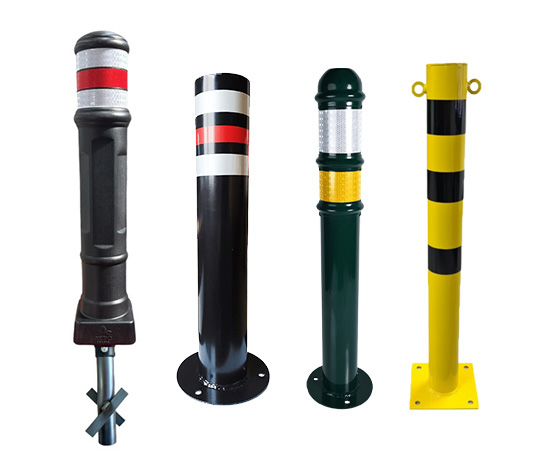
The Use of Metal Poles in Modern Urban Infrastructure Projects
As cities around the world continue to grow and expand, the need for sustainable and efficient infrastructures becomes increasingly important. A key element of these infrastructures is
metal poles, which play an essential role in supporting not only road signage systems but also many other aspects of urban infrastructure. They are not just passive supports for signs or lights, but are part of a complex network of solutions that help manage traffic, ensure road safety, and even enhance urban aesthetics.
The Versatility of Metal Poles in the Urban Environment
One of the most important advantages of
metal poles is their versatility. These poles can be used for a wide range of applications, from
supporting traffic signs to mounting surveillance cameras or street lighting fixtures. In urban projects, metal poles play a crucial role in ensuring optimal visibility and creating a safe environment for both pedestrians and drivers.
In addition to their traditional role in road signage, these poles are increasingly being used in
smart lighting projects. Modern cities are adopting lighting solutions that integrate advanced technologies, such as adaptive public lighting or street lighting systems that automatically adjust based on weather conditions or the presence of vehicles and pedestrians. Metal poles are ideal for such applications due to their durability and ability to integrate wiring and other necessary technologies.
Aesthetics and Integration into the Urban Landscape
Beyond their technical functionality,
metal poles have also become an important element in urban design projects. Architects and urban planners often choose metal poles for their aesthetic versatility. They can be painted or covered with various finishes to match the architectural style of the city, thus contributing to the creation of a coherent and visually pleasing urban landscape.
For example, in historic cities, metal poles can be shaped to mimic classical styles, adding elegance and maintaining consistency with the surrounding buildings. At the same time, in modern cities, they can feature a minimalist and contemporary design, complementing the aesthetics of glass and concrete buildings.
Thus, metal poles are no longer just functional elements but also integral parts of the urban landscape, influencing how we perceive the cities we live in.
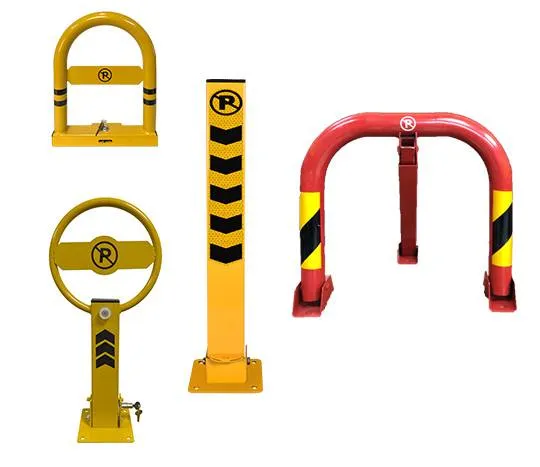
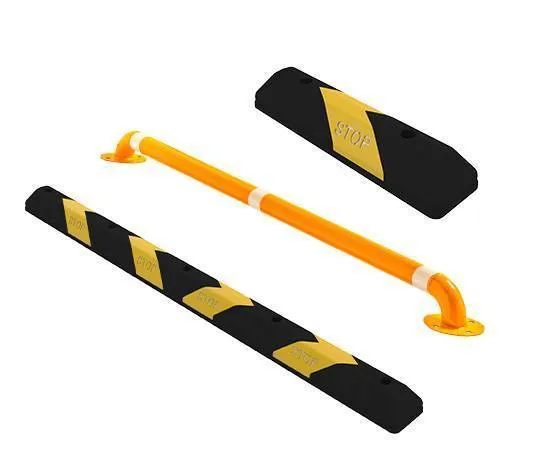
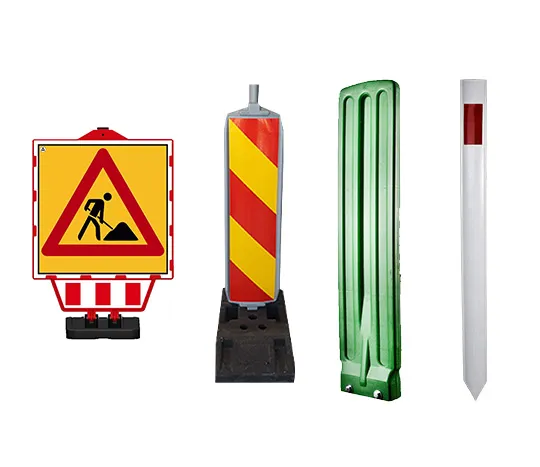
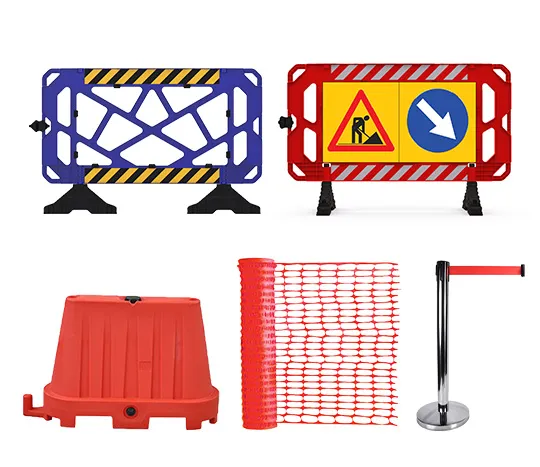
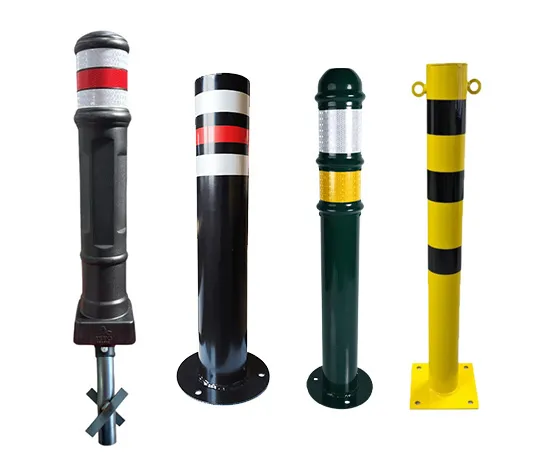
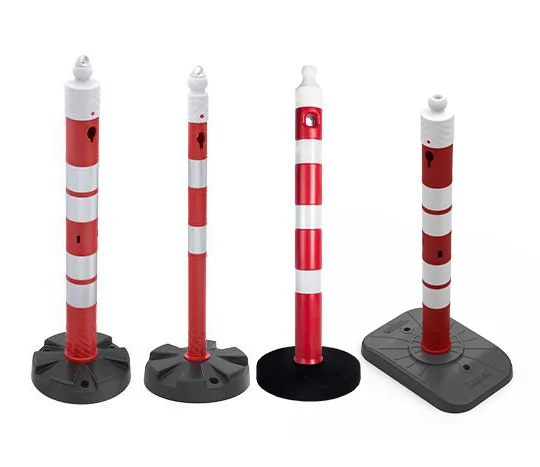
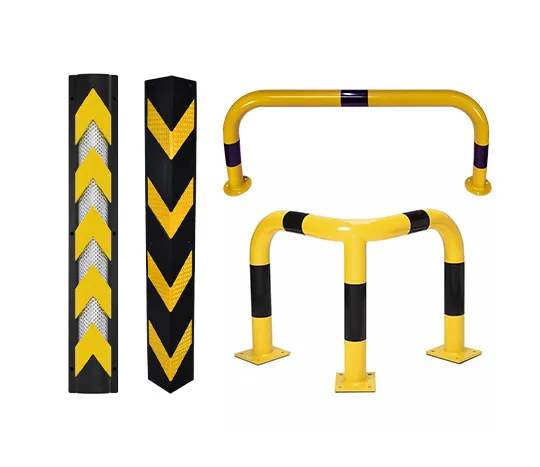
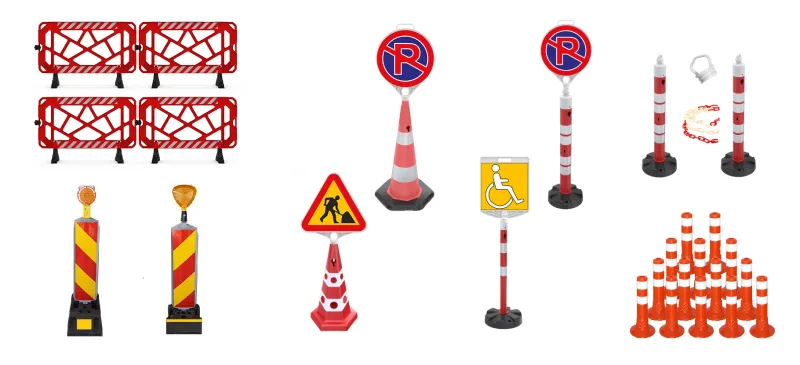
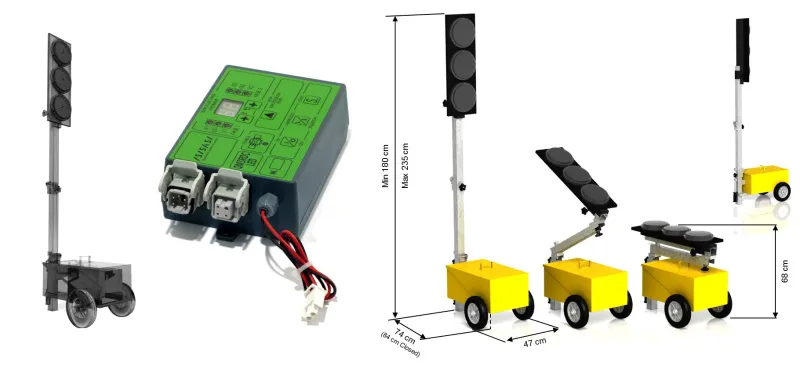
Best Selling Metal Poles Products
Metal Poles in Urban Mobility Projects
With the rapid growth of cities and the development of public transport and other urban mobility solutions,
metal poles have become an essential component of these systems. In large cities, they are used to mark lanes dedicated to public transport, to mount road signs for cyclists or pedestrians, and to delineate paths for electric scooters or other alternative transport means.
Additionally, metal poles are often used for the installation of
traffic monitoring systems or electronic displays that provide real-time information about traffic flow, available parking spaces, or potential accidents. This smart use of metal poles allows cities to become more efficient and safer, adapting to modern mobility and traffic management requirements.
Sustainability in the Use of Metal Poles
Another important aspect of using
metal poles in the urban environment is their
sustainability. Metal is a highly recyclable material, and steel poles can be made from recycled materials, thereby reducing the carbon footprint of infrastructure projects.
Moreover, these poles are extremely durable, having a long lifespan, which means they do not require frequent replacement. This durability makes metal poles an eco-friendly and economical choice in the long term.
In conclusion,
metal poles are much more than simple supports for signs or lighting equipment. They play an essential role in the development of modern urban infrastructures, providing versatile, durable, and aesthetic solutions. Whether used to enhance road safety, support urban mobility systems, or add aesthetic value to cities, metal poles remain a vital component in the construction of smart and sustainable cities of the future.