





The Versatility of Traffic Cones in Guiding and Managing Temporary Traffic
Within modern road infrastructure, traffic cones are an essential element for the efficient organization of traffic, especially in temporary situations. Whether it involves construction work, road events, or managing traffic flow in case of accidents, cones are versatile solutions for maintaining safety and fluidity on public roads. This article explores the importance of traffic cones in guiding and managing temporary traffic, highlighting their crucial role in reducing risks and ensuring the safety of all road users.
Using Traffic Cones in Construction Work
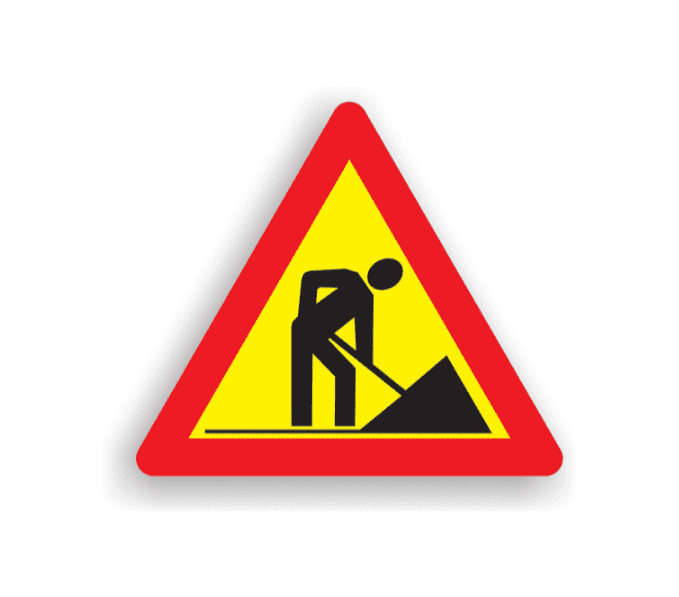
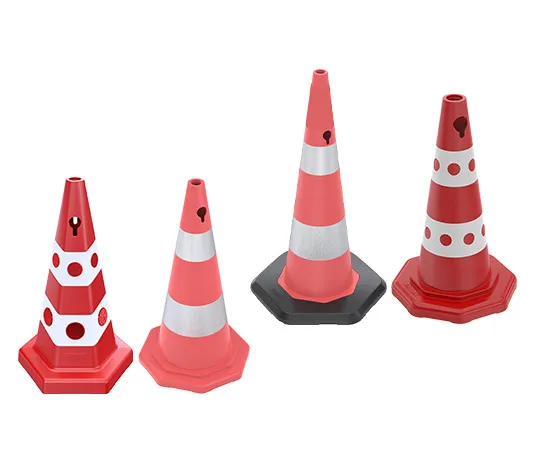
Construction work on roads can create a multitude of hazards for both drivers and construction workers. This is where the importance of traffic cones comes into play. They are used to mark work zones and safely divert traffic around areas where repairs or construction are taking place. Cones, especially those that are reflective or equipped with flashing lights, are highly visible, even at night or in adverse weather conditions, allowing drivers to quickly identify risk areas and take precautionary measures.
Guiding Traffic in Case of Accidents
In the event of a road accident, it is vital that traffic is redirected efficiently to prevent congestion and other incidents. Traffic cones are often used by response teams to close sections of road and guide traffic onto alternative routes. For example, cones placed in a zigzag pattern can indicate detours around a hazardous area, protecting both victims and response personnel. They allow for rapid and effective intervention in critical moments, thereby minimizing the risk of further accidents.
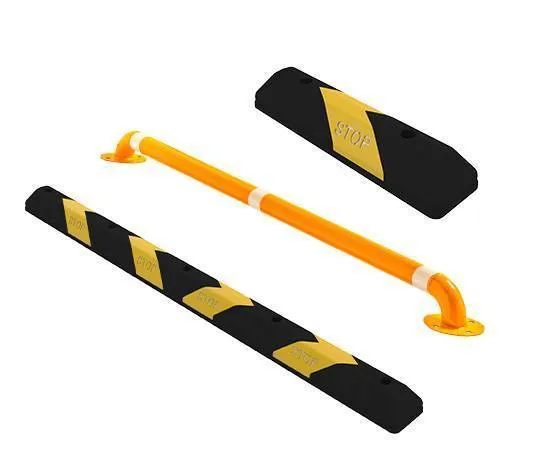
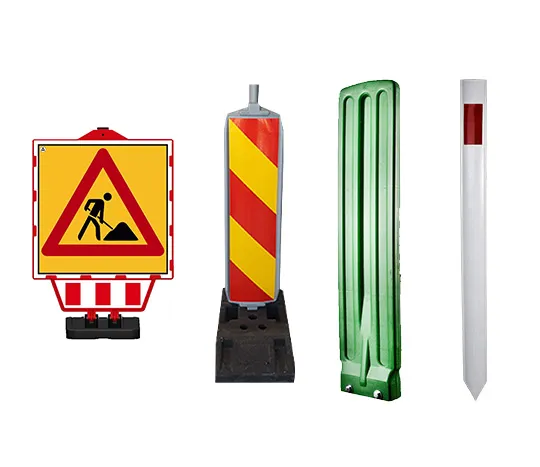
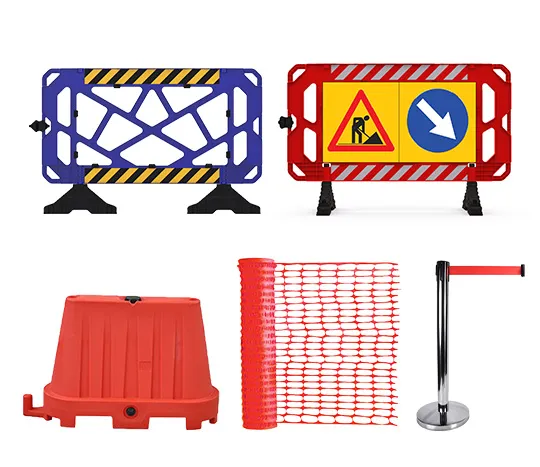
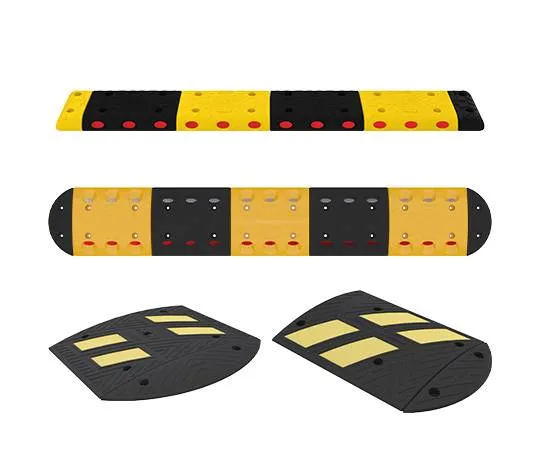
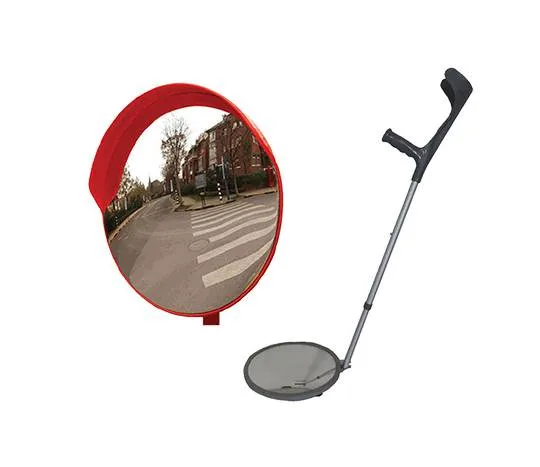
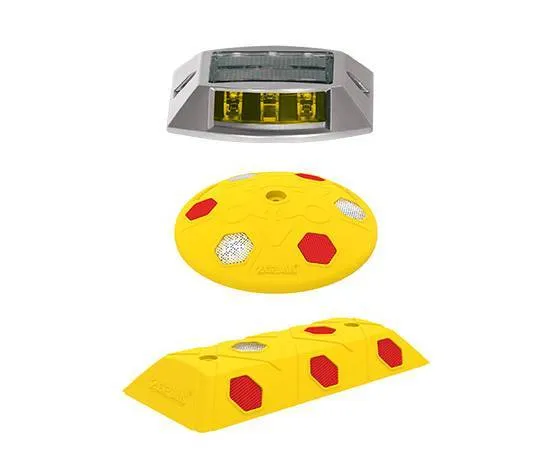
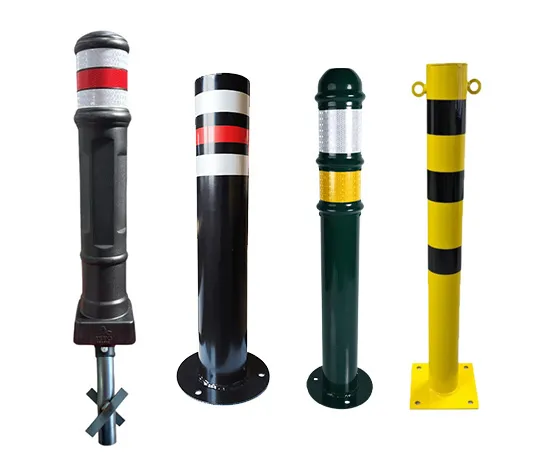
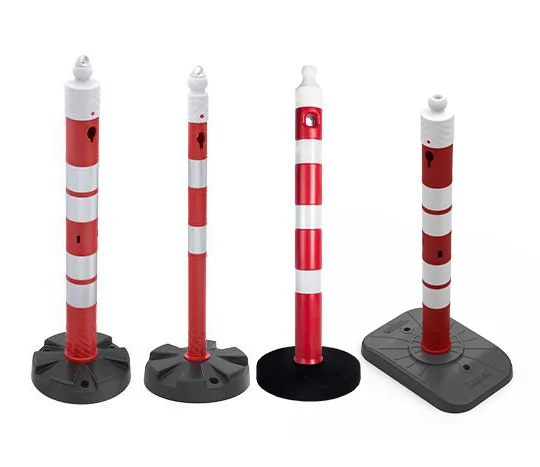
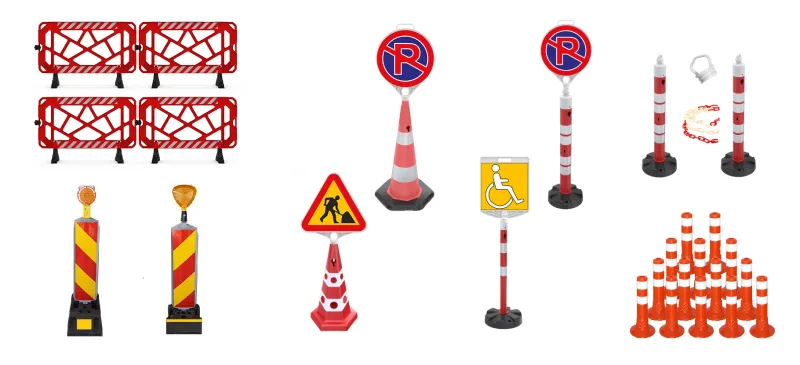
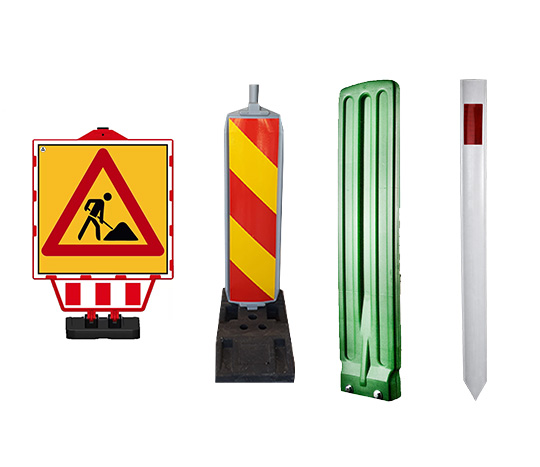
Best-Selling Traffic Cone Products
Organizing Traffic Flow at Public Events
Large public events, such as concerts, sports competitions, or parades, require careful traffic planning. Traffic cones are essential for delineating access areas, directing vehicles, and protecting pedestrians. By using cones, organizers can create clear routes for vehicle entry and exit, maintaining an orderly flow and avoiding congestion in key areas. This type of temporary guidance is essential to ensure that events proceed safely and without road incidents.
Guiding at Temporary Intersections or Diverting Traffic
When main roads need to be temporarily closed, for example, due to maintenance work or emergencies, traffic cones are used to divert traffic onto alternative routes. These cones help mark new temporary intersections or delineate new paths, providing drivers with clear and precise directions. The use of traffic cones in such situations is critical to avoid confusion and accidents while maintaining a steady flow of traffic.
Protecting Pedestrian Crossing Areas
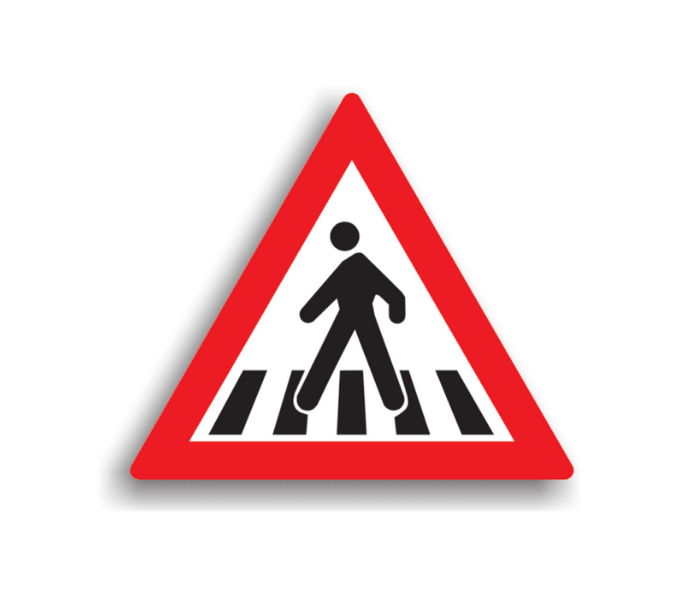
During temporary route changes or near construction areas, protecting pedestrians becomes a priority. Traffic cones are used to clearly delineate pedestrian pathways and indicate safe crossing points. These cones contribute to creating clear spaces between vehicles and pedestrians, reducing the risk of accidents. Additionally, in areas with reduced visibility or during events with large crowds, reflective or illuminated cones provide additional guidance for the safety of all road users.
Advantages of Using Portable Cones
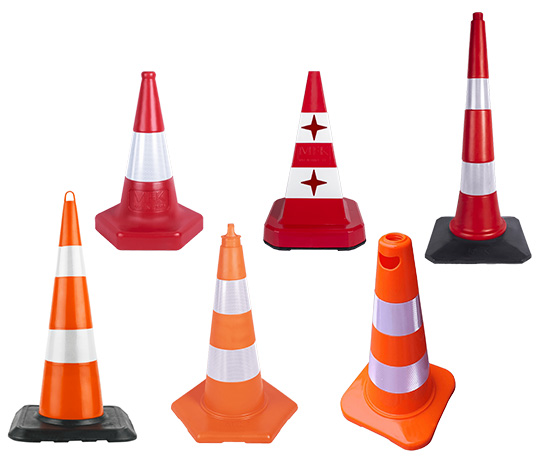
One of the main advantages of traffic cones is their portability. They can be quickly placed and moved according to situational needs, making them ideal for use in temporary interventions. Whether it involves a quick route change or signaling a new hazard, traffic cones are easy to handle and adaptable to any type of road situation. They are available in various shapes and sizes, allowing for increased flexibility in their use on public roads.
Conclusion
Traffic cones are an essential element for the efficient management of temporary traffic and for protecting the safety of road users. They play a crucial role in guiding drivers, preventing accidents, and protecting workers or pedestrians in various road situations. Their versatility and high visibility make traffic cones an indispensable solution for organizing and controlling traffic under any conditions.