










The Efficiency of Traffic Signal Lamps in Managing Nighttime Traffic
Effective traffic management is essential for road safety, and this becomes even more important at night when visibility is reduced. In this context, traffic signal lamps play a vital role, ensuring increased visibility for drivers and pedestrians, thus preventing accidents and ensuring traffic flow. But how do these devices operate at night and why are they essential for road safety?
Reduced visibility at night: A real danger
Statistics show that most serious accidents occur at night, even though traffic is much lower than during the day. One of the main causes of these accidents is reduced visibility, which affects drivers' ability to react in time to obstacles in the road or other vehicles. In such conditions, traffic signal lamps become critical for safely guiding drivers through intersections, dangerous curves, or construction zones.
Types of traffic signal lamps and their role at night
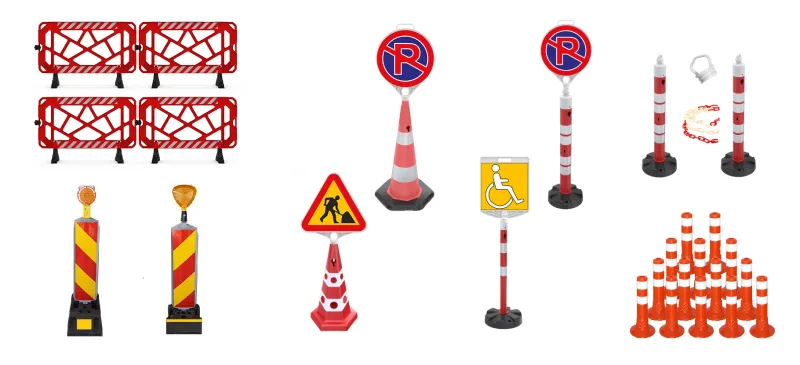
There are several types of traffic signal lamps that contribute to traffic management at night, each having a specific role:
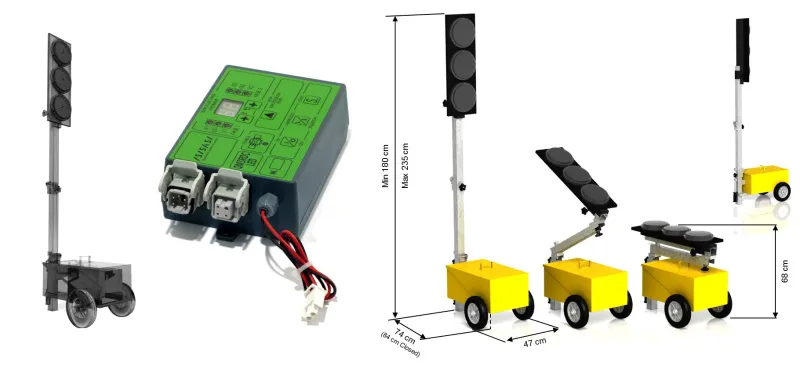
Intersection signal lamps: These are essential in regulating traffic flow at intersections, providing drivers with clear indications of when to stop, yield, or go. Especially at night, when visibility is low, these lamps are indispensable for preventing collisions.
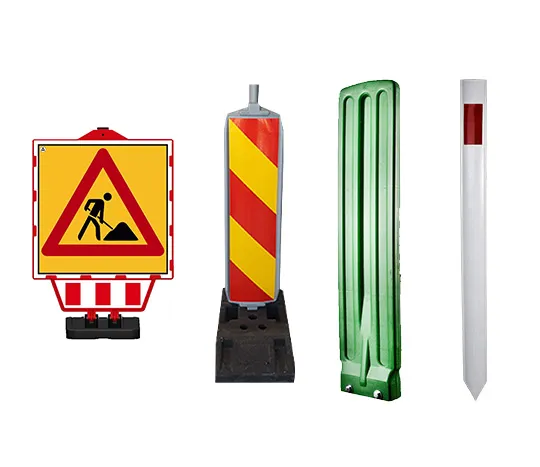
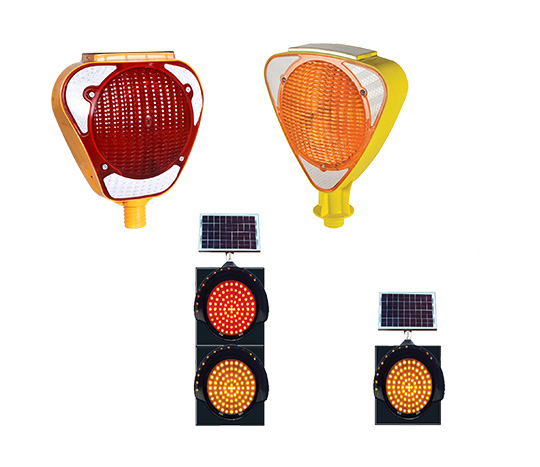
Flashing lights: These are used primarily to signal hazards or to warn of changes in the route, such as in construction zones. Flashing lights capture drivers' attention much more effectively than a static signal, warning them to be more cautious.
Solar traffic signal lamps: An innovative solution, solar lamps are powered by renewable energy and are ideal for areas where access to the electrical grid is limited. They provide clear visibility at night without requiring a constant power source.
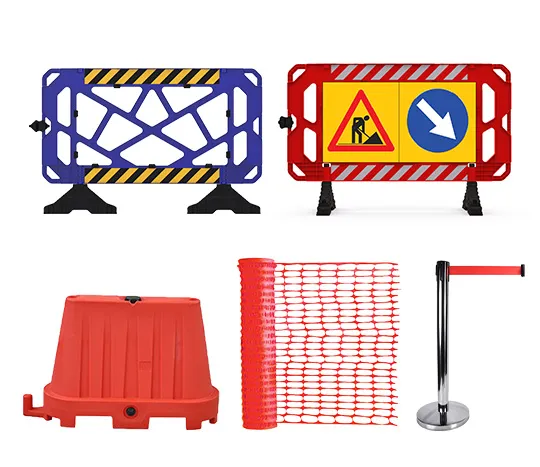
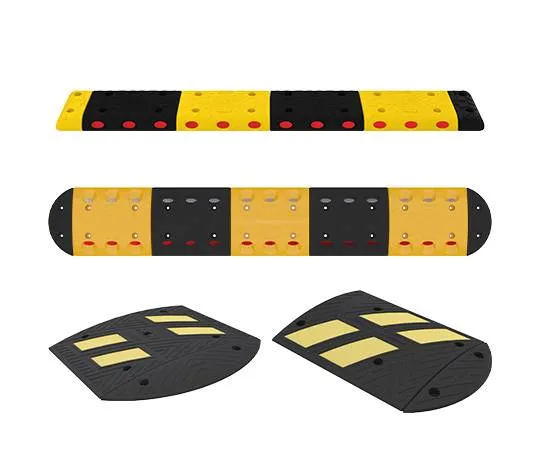
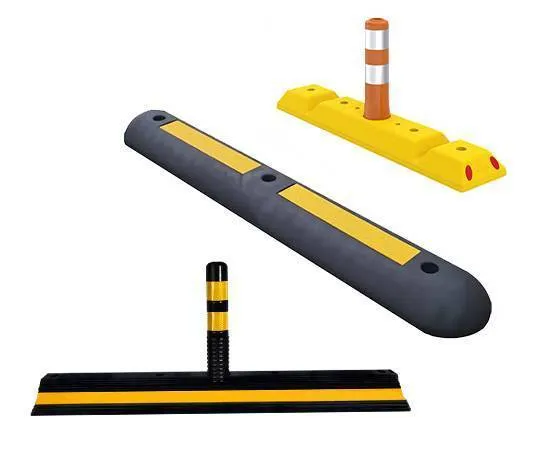
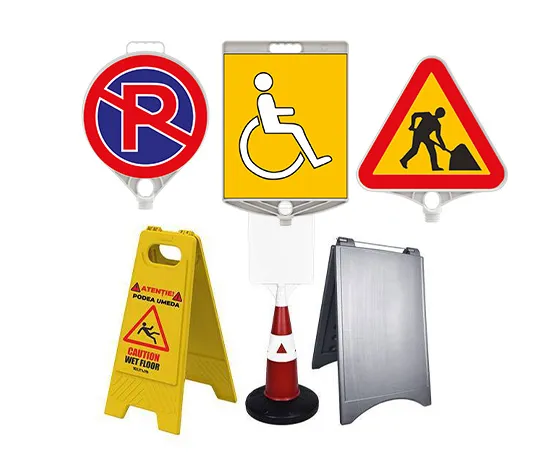
Best-selling Traffic Signal Lamp Products



LED Technology in Traffic Signal Lamps
In recent years, LED technology has become the standard in traffic signal lamps due to its energy efficiency and increased durability. Compared to traditional incandescent bulbs, LED lamps consume much less energy, have a much longer lifespan, and provide a clearer and more visible light, essential at night.
Improved visibility: LED lamps emit a much brighter light than traditional bulbs, ensuring that drivers can see the signals even from long distances. This is essential on highways or rural roads, where light sources are limited.
Reduced costs: In addition to their functional benefits, LED lamps are much more economical in the long run. Their low energy consumption and durability make their maintenance much less costly, and cities that adopt them can save considerable resources over time.
Durability: LED lamps are resistant to extreme weather conditions, such as rain, snow, or strong winds, making them an ideal solution for road signaling, especially in difficult visibility conditions.
The impact of traffic signal lamps on reducing nighttime accidents
The effective implementation of traffic signal lamps, especially those based on LED technology, has led to a significant reduction in the number of nighttime road accidents. By increasing visibility and providing clear indications, these devices help drivers navigate more safely on roads, anticipate hazards, and react more quickly to traffic changes.
Additionally, traffic signal lamps contribute to traffic flow, reducing congestion and allowing vehicles to move more efficiently, even during late-night hours. Thus, traffic signal lamps not only enhance safety but also optimize road usage during low-traffic periods.
Conclusion
Traffic signal lamps are essential for maintaining road safety at night. Whether at intersections, construction zones, or rural roads, they provide visibility and clear directions, thus preventing accidents and ensuring smooth traffic. With the adoption of LED technology and solar solutions, traffic signal lamps are becoming increasingly efficient, durable, and environmentally friendly, contributing to a safer and more sustainable road infrastructure.