










In a world where road traffic is becoming increasingly complex, signaling lamps play a crucial role in ensuring safety and efficiently managing traffic flows. Whether used at intersections, construction zones, or on vehicles, these devices are essential for preventing accidents and properly guiding road users. In this article, we will discuss the importance of signaling lamps, the types available, and their benefits.
What are Signaling Lamps?
Signaling lamps are light devices used to convey visual information to road users. They can be used to indicate stopping, warning, changing direction, or other maneuvers necessary to ensure road safety. Signaling lamps are essential not only for vehicles but also for road infrastructure, providing guidance and warnings in high-risk areas.
Best-Selling Signaling Lamps


The Importance of Signaling Lamps in Road Safety
Accident Prevention: Signaling lamps are vital for preventing accidents, especially in low visibility conditions or emergencies. By clearly signaling dangers or maneuvers, they reduce the risk of collisions and incidents on the roads.
Traffic Management: In busy intersections or construction zones, signaling lamps help direct traffic, preventing congestion and ensuring a steady flow of vehicles. They are also essential for guiding drivers on alternative routes in case of blockages.
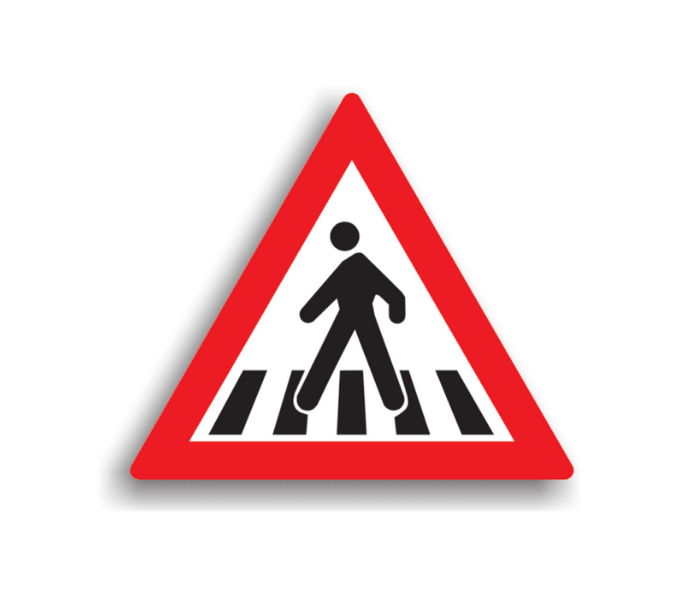
Pedestrian Warning: Signaling lamps are not just for vehicles; they are equally important for warning pedestrians about changes in traffic or nearby dangers. Thus, they contribute to the protection of all road users, regardless of the mode of transport used.
Types of Signaling Lamps Available
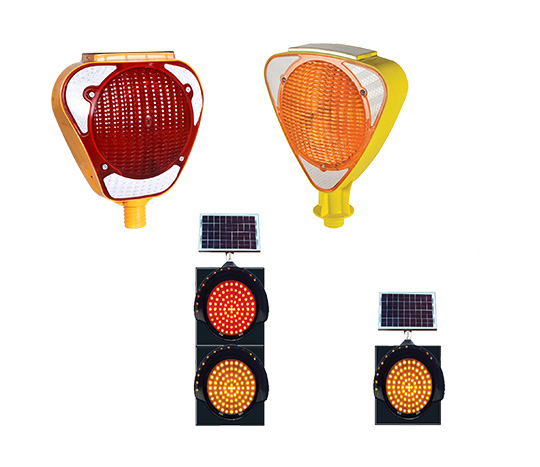
LED Signaling Lamps: These are the most common and efficient signaling lamps available on the market. They provide clear light, visible from a distance, and have an extended lifespan, making them ideal for use in various traffic conditions.
Rotating Signaling Lamps: These lamps are frequently used on emergency vehicles, such as ambulances or fire trucks, to alert other road users. They emit a strong, intermittent light that immediately attracts attention.
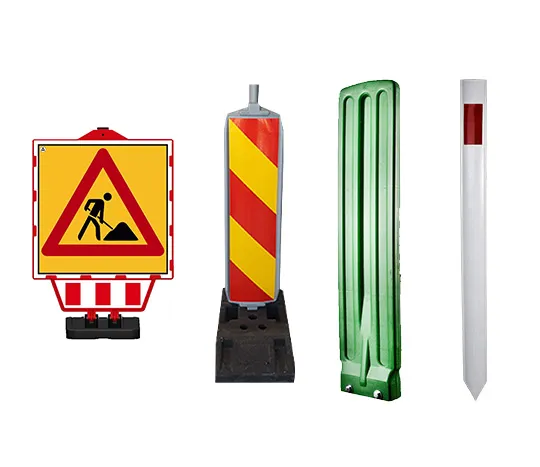
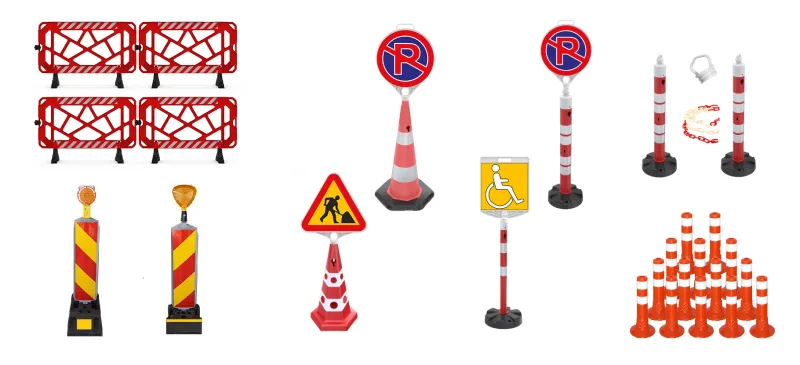
Signaling Lamps for Construction Zones: These lamps are used to signal ongoing work and guide drivers through construction areas. They are often mounted on bollards or barriers and are essential for preventing accidents in these hazardous zones.
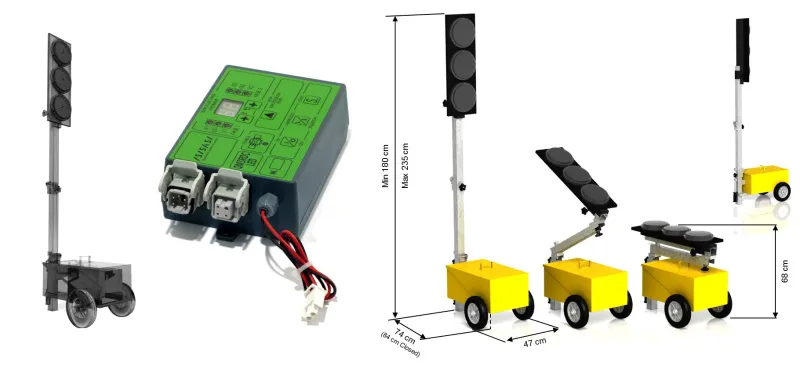
Signaling Lamps for Intersections: These lamps are used to direct traffic in busy intersections, ensuring that vehicles and pedestrians comply with signals and avoid collisions.
Benefits of Signaling Lamps
Durability and Energy Efficiency: Modern signaling lamps, especially those with LED, are designed to be extremely durable and energy-efficient. This means they require minimal maintenance and operate for a long time without consuming much energy.
Increased Visibility: Signaling lamps are designed to be visible in all weather conditions, including rain, fog, or night. This ensures that the message is clearly conveyed to all road users.
Flexibility in Use: There is a wide range of signaling lamps available for different applications, from use on vehicles to road infrastructure. They can be easily mounted and are available in various shapes and sizes to suit diverse needs.
Improved Safety: By warning drivers and pedestrians about imminent dangers, signaling lamps significantly contribute to reducing accidents and improving safety on the roads.
______________________________________
Signaling lamps are an essential element in traffic management and ensuring road safety. Whether used on vehicles, at intersections, or in construction zones, these devices provide an effective