











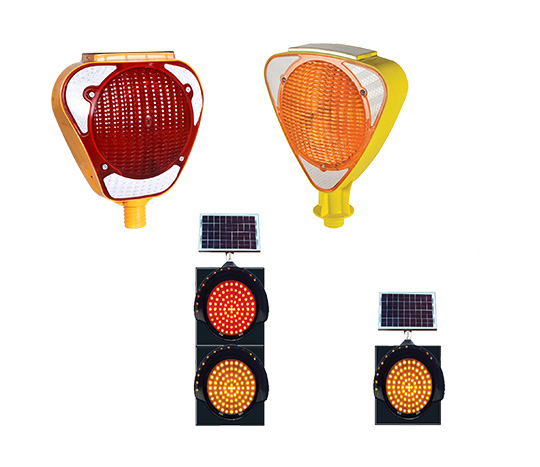
Warning Lights: Safety and Visibility for Traffic and Construction
Warning lights play an essential role in maintaining safety and order in traffic, as well as in various construction or landscaping works. These devices are widely used to alert drivers, pedestrians, or workers about dangers or temporary changes in infrastructure. In this article, we will analyze the importance of warning lights, their areas of use, and the benefits they bring to road and industrial safety.
What Are Warning Lights?
Warning lights are luminous devices that emit an intermittent or continuous signal to draw attention to a specific area. They are usually powered by batteries or solar panels and are designed to operate in various environmental conditions, including at night or in difficult weather conditions. These lights are available in different colors, each having a specific meaning: red for danger, yellow for caution, and green or white to signal safety or the continuation of work.
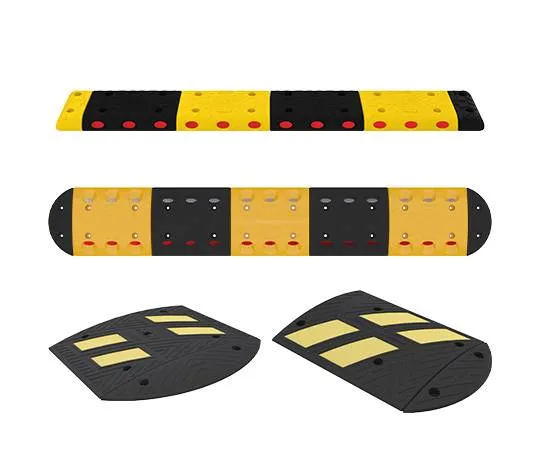
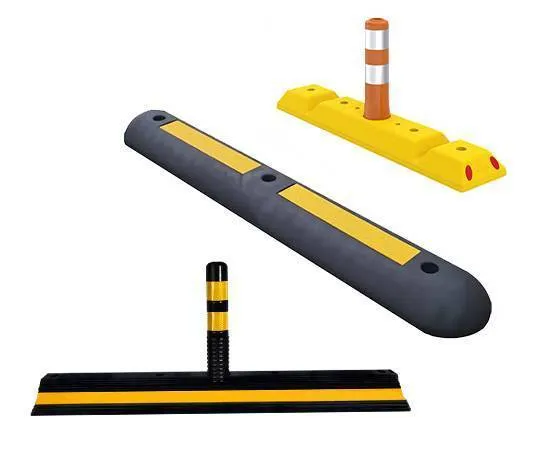
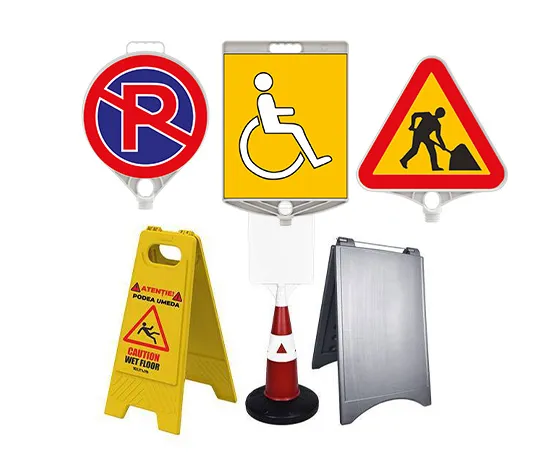
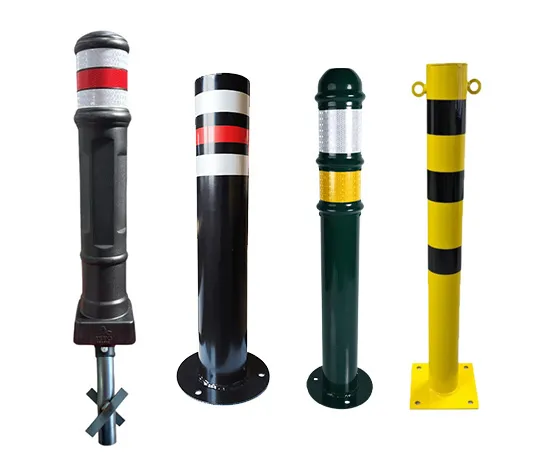
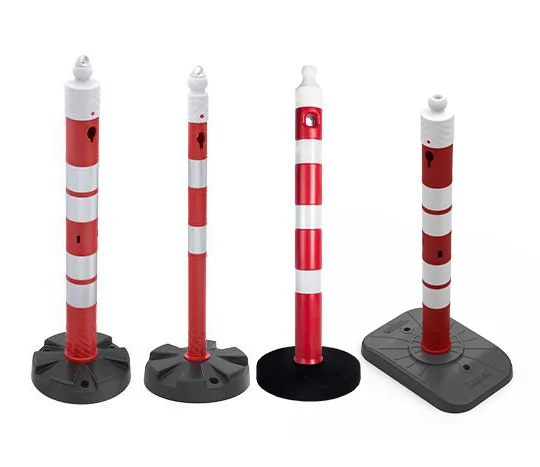
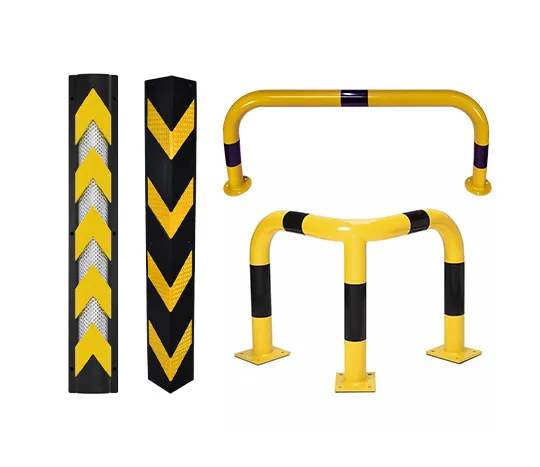
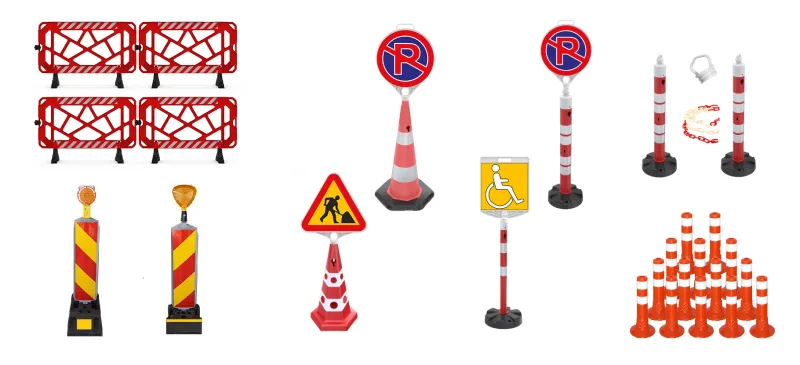
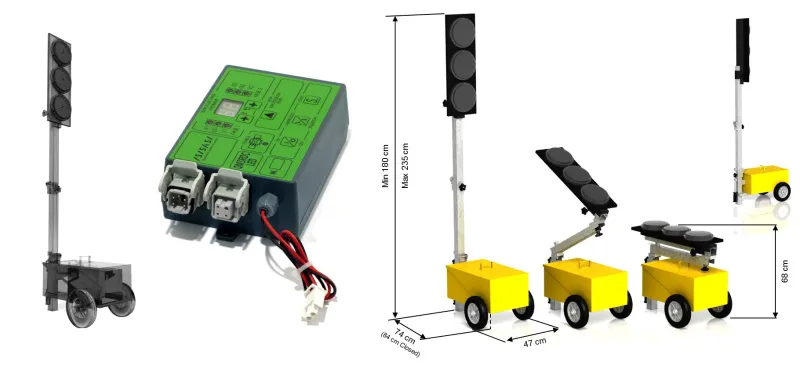
Best-Selling Warning Light Products


The Use of Warning Lights in Traffic
One of the most common uses of warning lights is in the field of traffic. They are essential for signaling road works, accidents, or other temporary situations that require changes in traffic flow. The lights are usually placed on barriers, traffic cones, or directly on the road to alert drivers and prevent accidents.
In addition, warning lights are also used on emergency or utility vehicles working on the roads. These vehicles, such as road maintenance, street cleaning, or those transporting hazardous materials, must be visible at all times to ensure the safety of those in traffic. Warning lights help increase visibility and prevent collisions or other unpleasant incidents.
Warning Lights in Construction
At construction sites, warning lights are essential for alerting workers to potential dangers or marking specific work areas. They are widely used to delineate work perimeters or to indicate safe movement directions in crowded or unsafe areas.
Additionally, warning lights are indispensable during nighttime work, ensuring increased visibility for work teams and construction vehicles. Without proper signaling, the risk of accidents significantly increases, especially in situations where heavy vehicles need to move or maneuver in tight spaces.
Types of Warning Lights
There are several types of warning lights, each with specific features tailored to different needs. Among the most popular types are:
Solar Lights: These are powered by solar energy and are ideal for long-term use in remote areas or places where electrical power supply is not possible.
Battery-Powered Lights: Battery-powered warning lights are extremely portable and easy to use, making them suitable for temporary or emergency work.
LED Lights: LED technology offers bright illumination and low energy consumption, making these lights extremely efficient. They are durable and can operate for long periods without the need for battery replacement.
Advantages of Using Warning Lights
One of the main advantages of warning lights is their ability to increase visibility and safety, whether it is a construction site, a road under repair, or an emergency situation. They help prevent accidents by ensuring that all traffic participants or workers are aware of the dangers around them.
Warning lights are also easy to install and use, making them an accessible and practical solution for a variety of situations. Their durability and ability to function in difficult weather conditions make them indispensable tools in traffic management and construction site management.