









Warning Lights: An Essential Element for Traffic Safety and Flow
In a constantly moving world, where traffic is becoming increasingly congested and complex, road safety remains an absolute priority. One of the essential elements that contributes to accident prevention and efficient traffic flow management is represented by warning lights. These luminous devices not only inform and warn road users but also play a crucial role in directing vehicles and pedestrians, thus helping to prevent accidents and maintain order on the roads.
1. What are warning lights?
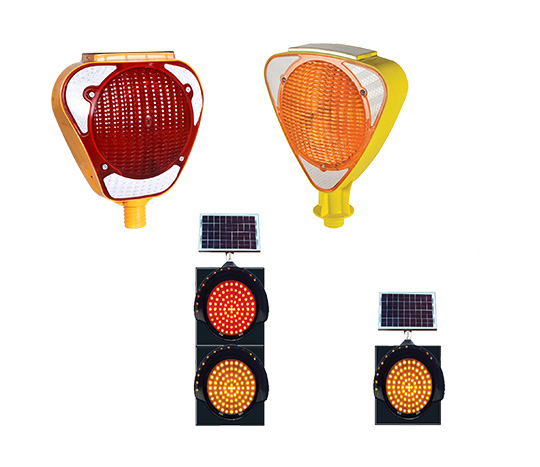
Warning lights are luminous devices used to draw the attention of road users to a situation or to indicate a specific road condition, such as construction work, dangerous intersections, pedestrian crossings, or even temporary obstacles. They come in various shapes and sizes, depending on their purpose, and are mounted on vehicles, at intersections, or on various structures near the roads.
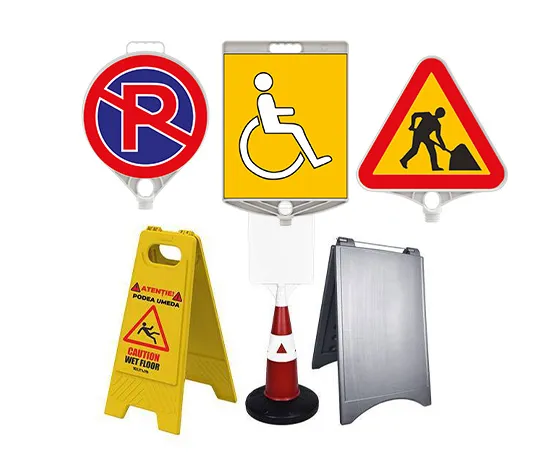
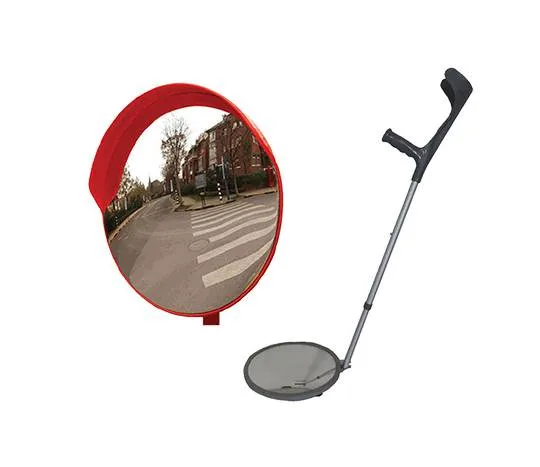
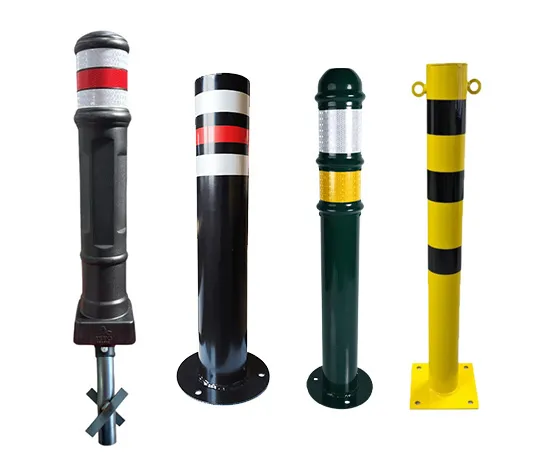
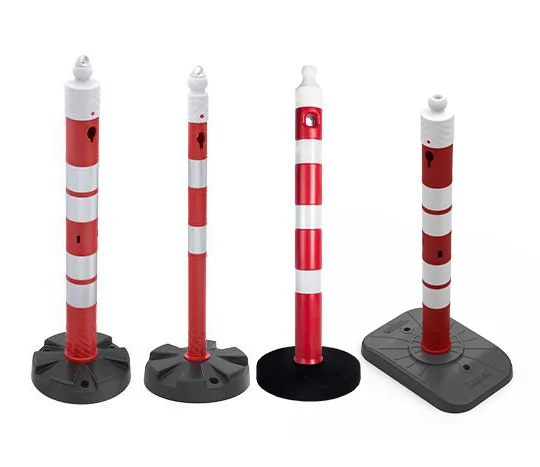
Best Selling Warning Light Products
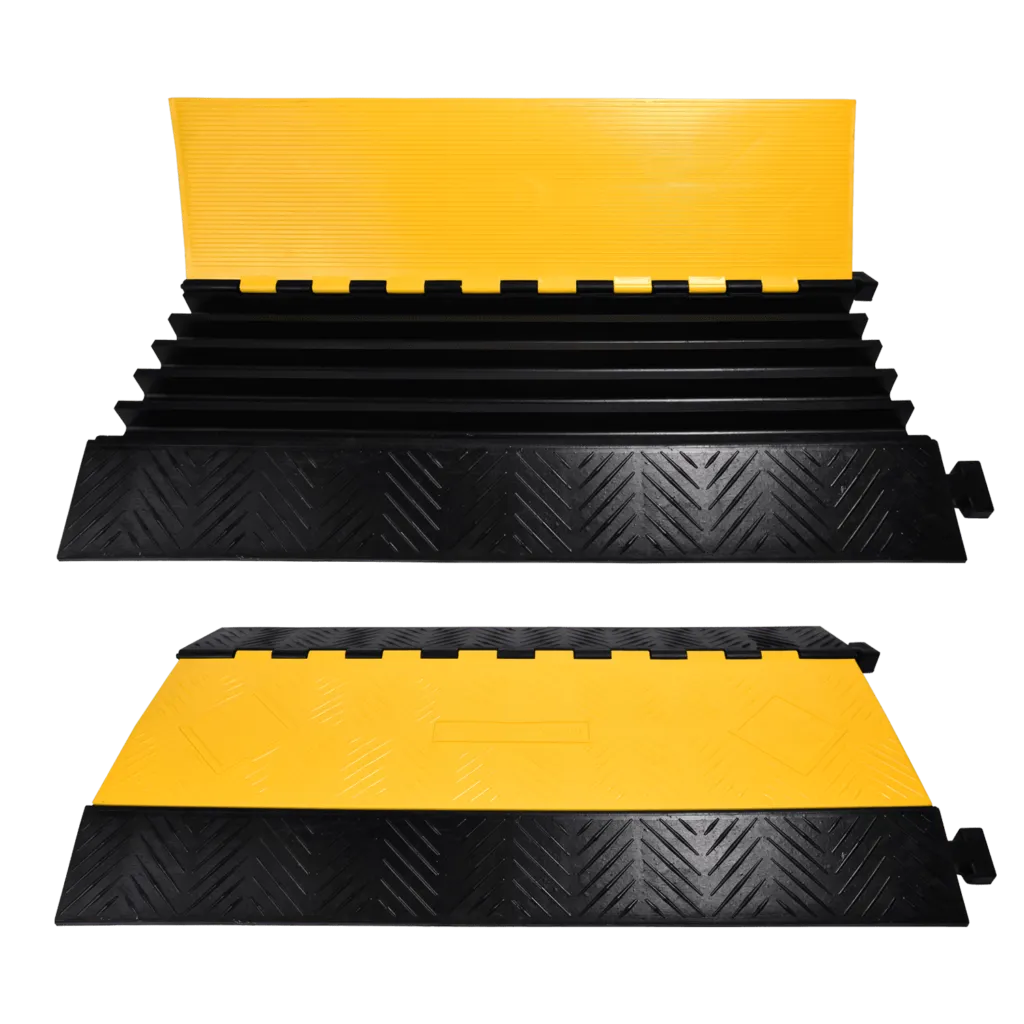

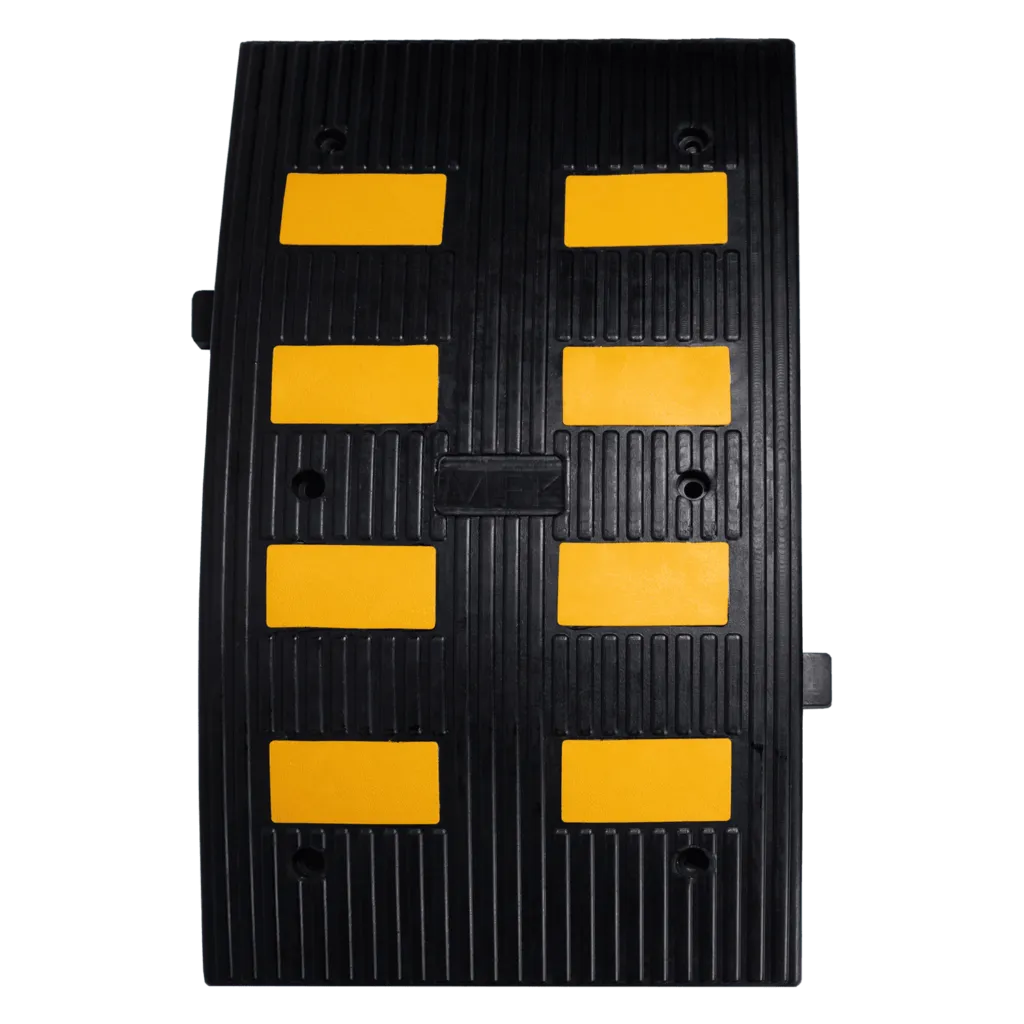

2. Types of warning lights and their specific uses
There is a variety of warning lights, each having a well-defined role in maintaining road safety. Here are some examples:
Vehicle warning lights: These are the most commonly encountered and are used by emergency vehicles (police, ambulances, fire trucks) or by vehicles performing road work. These lights emit flashing lights of various colors, each color having a specific meaning. For example, blue and red lights are used by emergency crews to signal an intervention.
Road warning lights: These are mounted on poles or other structures near the roads and are used to warn drivers of various hazards, such as level crossings, dangerous intersections, or construction work.
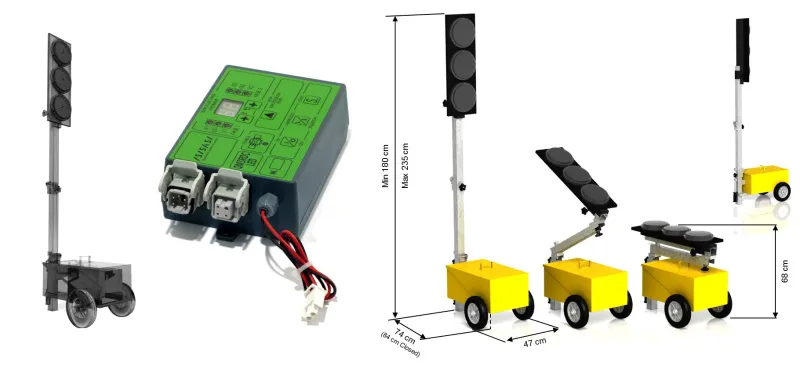
Portable warning lights: Often used in road repair and maintenance work, these lights can be temporarily placed to warn road users about hazardous areas or temporary changes in direction.
3. The role of warning lights in road safety
Warning lights are an essential tool for accident prevention. They help increase visibility at night or in low visibility conditions (fog, rain, snow) and provide drivers with critical information that helps them make quick and correct decisions in traffic.
Another advantage of warning lights is that they can be used to manage traffic in emergency situations. For example, in the event of a traffic accident, warning lights mounted on emergency vehicles immediately draw attention to the incident and direct traffic in a manner that allows response teams to act quickly and effectively.
4. LED technology and energy efficiency
In recent years, LED technology has become dominant in the production of warning lights. This brings numerous advantages, including:
- Energy efficiency: LED lights consume much less energy than traditional bulbs while having a much longer lifespan.
- Increased brightness: LED warning lights are much more visible, even in bright light conditions or low visibility.
- Durability: LEDs are much more resistant to shocks and vibrations, making them ideal for use in extreme conditions, such as on construction sites or in heavy traffic.
5. Smart warning lights: A solution for the future
As technology advances, smart warning lights are becoming increasingly popular. These devices are capable of communicating with each other and with traffic management systems, adapting in real-time to road conditions and vehicle flow. For example, in the event of a traffic jam, smart warning lights can direct traffic onto alternative routes or signal drivers about changes in traffic.
Conclusion
Warning lights are an indispensable element in ensuring smooth and safe road traffic. From emergency vehicles to road works, these devices play a vital role in warning and informing drivers, thus preventing accidents and ensuring effective traffic management. In a constantly changing world, investing in modern and efficient warning lights, such as those with LED technology or smart lights, represents an important step towards a safer and better-organized road infrastructure.