





















The Role of Signal Lamps in Smart Parking Systems
In an increasingly urbanized world, parking lots are becoming an important topic, and their efficient management is essential to avoid chaos and congestion in crowded areas. A central element of these modern solutions is signal lamps, which contribute to optimizing parking and guiding drivers to available spaces. In this article, we will discuss how signal lamps are an integral part of smart parking systems and how they enhance the driver experience.
What are smart parking systems?
Smart parking systems use technology to optimize how vehicles are parked in available spaces. These systems include sensors, cameras, and signal lamps to indicate to drivers where the available spots are. In large parking lots, especially those at shopping centers, airports, or office buildings, finding a parking space can be a challenge. This is where the importance of signal lamps comes in, helping to streamline traffic and prevent congestion.
How do signal lamps work in smart parking?
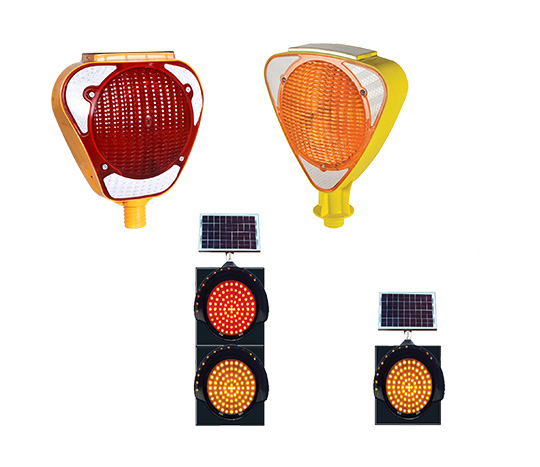
Within a smart parking system, each parking space is equipped with a sensor that detects whether the spot is occupied or free. This sensor is connected to a signal lamp mounted above each parking space. When a spot is available, the lamp emits a green light, and when it is occupied, it turns red. In some cases, there may also be other colors, such as blue for spaces reserved for people with disabilities or yellow for temporary parking spots.
This simple and clear method of signaling allows drivers to quickly and easily see where a free spot is located, thus reducing the time needed to find parking. It also prevents blockages that can occur due to chaotic searching for a parking space.
Best-selling Signal Lamps



Benefits of Signal Lamps in Modern Parking Lots
Signal lamps bring numerous benefits in modern parking lots, especially when integrated into smart systems:
Reduction of parking search time: In crowded cities or large parking lots, finding a free parking space can take a long time. Signal lamps make this process more efficient by directing drivers straight to available spots.
Reduction of pollution: Searching for a parking space can contribute to increased carbon emissions due to the extra time spent on the road. By reducing search time, signal lamps help decrease fuel consumption and pollution generated by vehicles.
Increased efficiency for parking management: For parking managers, signal lamps provide a clear way to monitor and manage parking capacity. They allow for quick identification of congested areas and optimization of vehicle flow in real-time.
Improvement of user experience: A well-organized and efficient parking lot enhances the experience of drivers, reducing the stress and frustration associated with finding a parking space. Signal lamps contribute to a more pleasant and less stressful experience for drivers.
LED Signal Lamps: Sustainable and Efficient Solutions
Another important innovation in the field of smart parking is the use of LED signal lamps. These not only provide clearer and more visible light but are also much more energy-efficient. The reduced energy consumption makes LED lamps ideal for large parking lots, where lighting needs to be on for long periods.
Additionally, LED lamps are much more durable than traditional ones, having a much longer lifespan and requiring less maintenance. This is an advantage for parking operators, who can reduce long-term operating costs.
Conclusion
Signal lamps are an essential element in smart parking systems, contributing to a more efficient and environmentally friendly management of parking spaces. By guiding drivers to available spots, they reduce search time, decrease pollution, and improve user experiences. Moreover, the use of LED technology makes these lamps a sustainable and economical solution, perfectly suited to the needs of modern parking lots. With the increasing number of vehicles and the demand for efficient parking, signal lamps will continue to play an important role in urban infrastructure.