








Road Beacons: Enhanced Safety and Visibility in Traffic
Road beacons are essential devices in road infrastructure, playing an important role in directing traffic and ensuring the safety of road users. Whether we are talking about highways, county roads, or construction zones, these elements help clearly delineate routes, preventing accidents and contributing to smooth traffic flow. But how do these beacons work and what advantages do they bring in improving road safety?
What are road beacons?
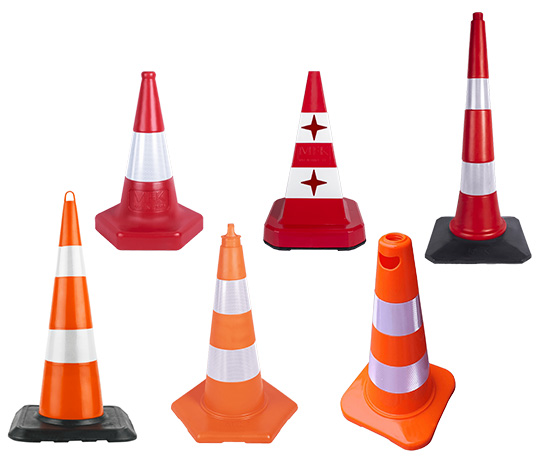
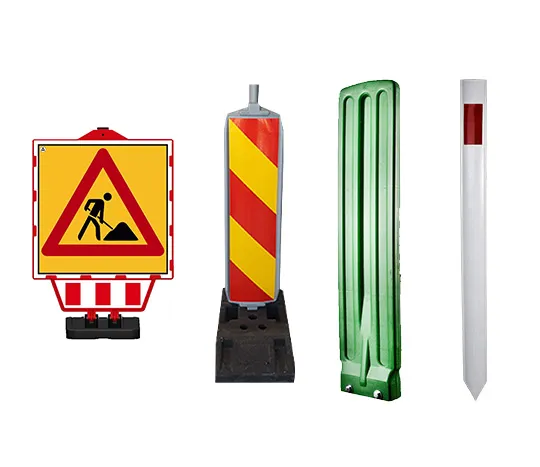
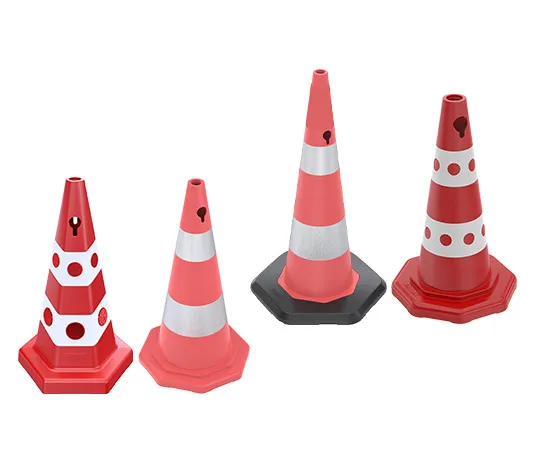
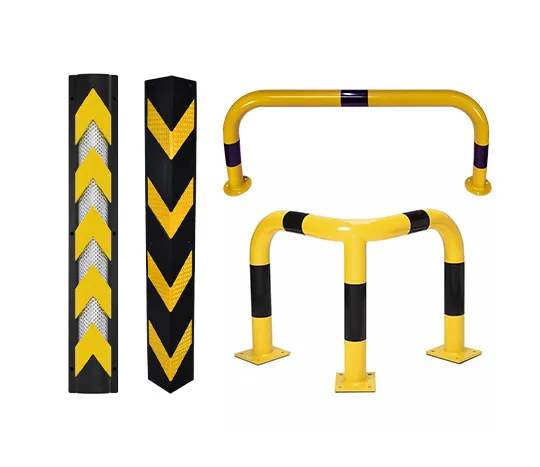
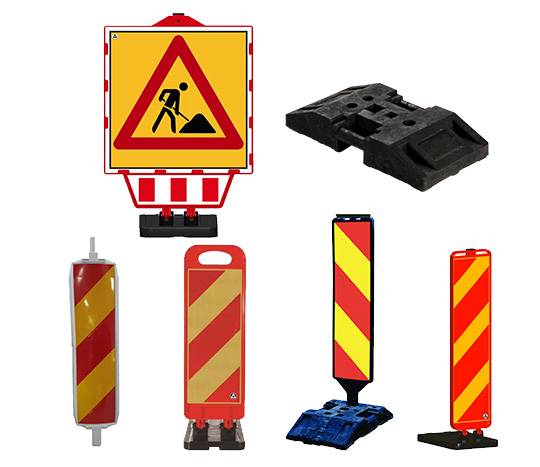
Road beacons are vertical signaling elements, commonly used to delineate certain routes or hazardous areas on roads. They are made from durable materials, resistant to extreme weather conditions, and are equipped with reflective strips to be visible both day and night. Their ergonomic design allows drivers to notice them in time and adjust their behavior in traffic according to the indications given by these beacons.
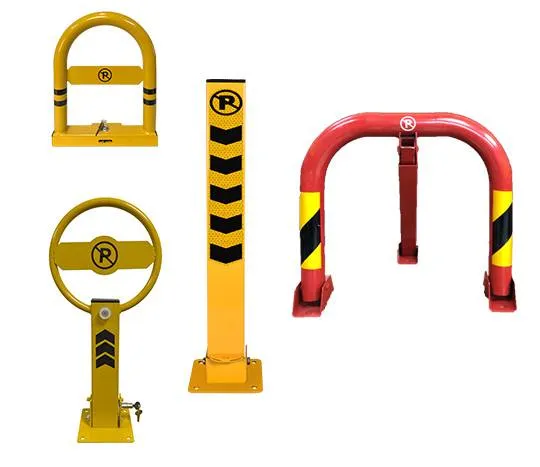
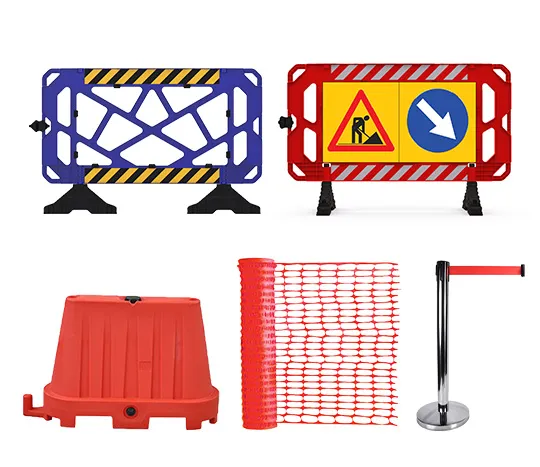
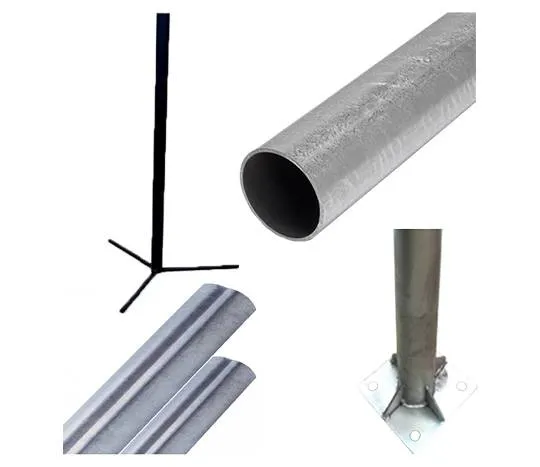
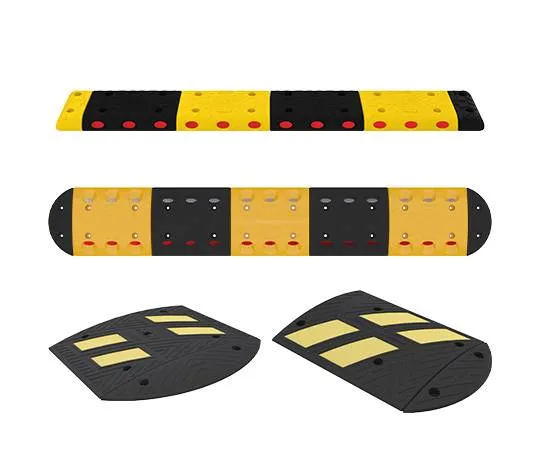
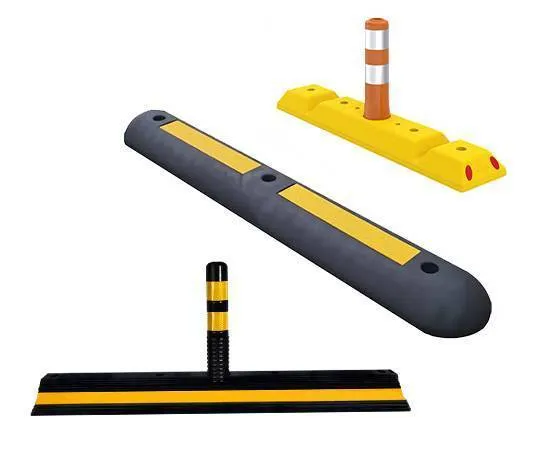
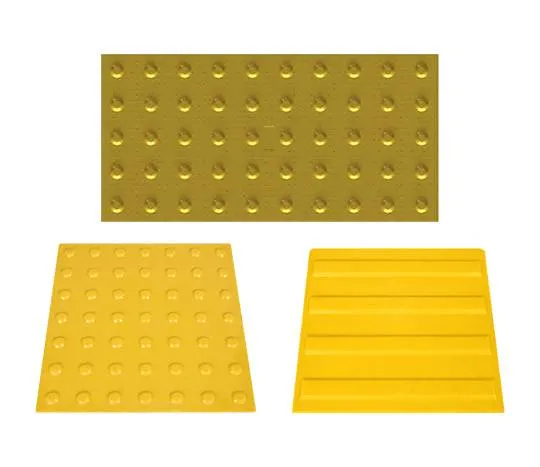
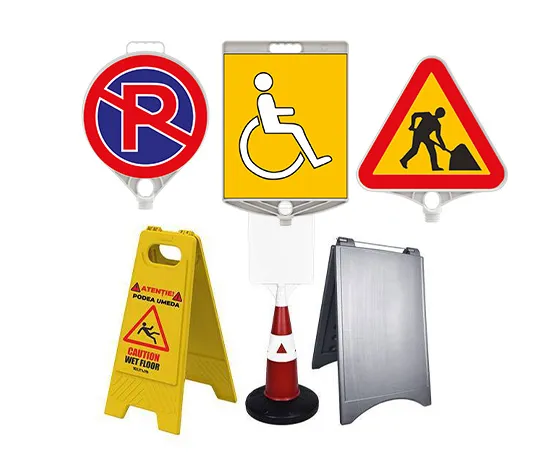
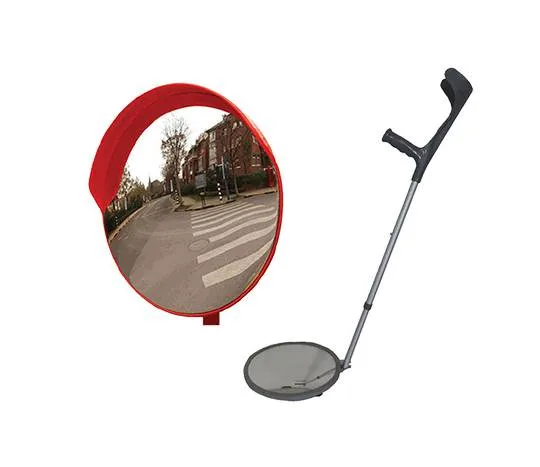
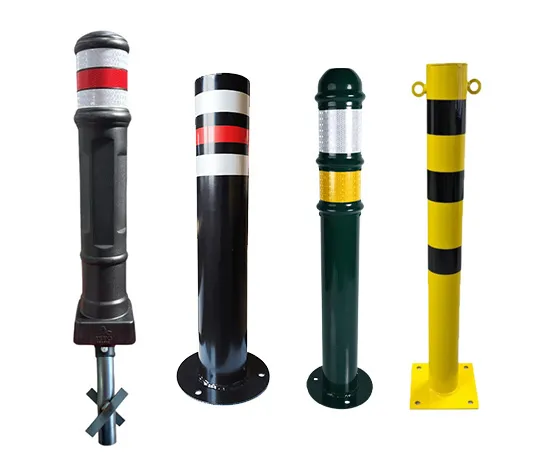
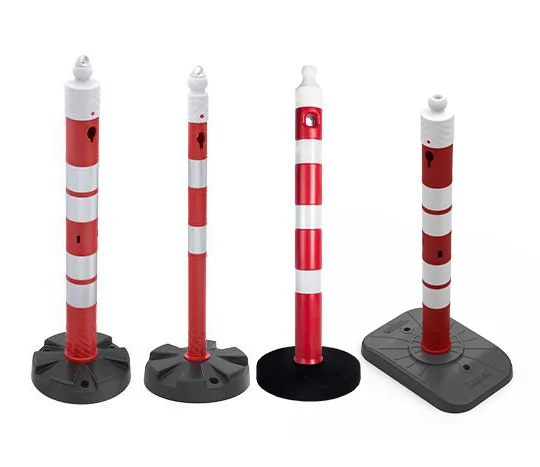
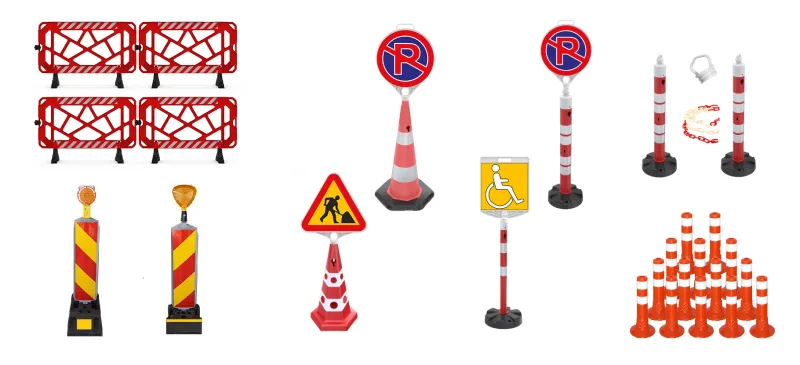
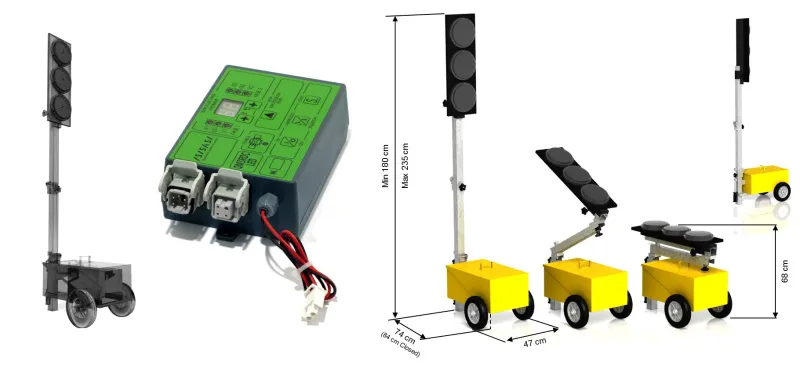
Best Selling Road Beacon Products
Types of Road Beacons
There are several types of road beacons on the market, each serving a specific purpose:
- Highway Beacons: These are used to mark the boundaries of roads, separating traffic lanes and indicating the edge of the roadway.
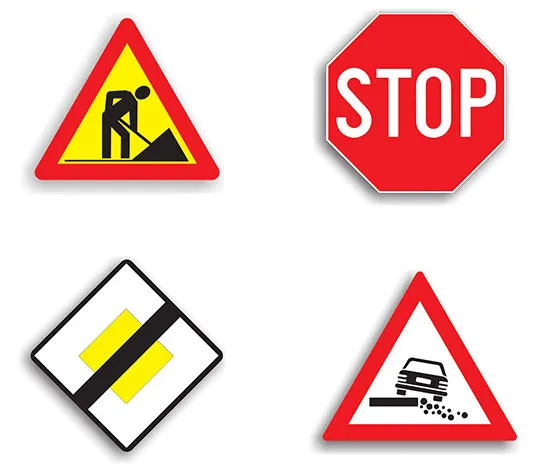
- Construction and Ongoing Work Beacons: Used to signal construction or road maintenance work, these beacons warn drivers of potential hazards and direct them to safe routes.
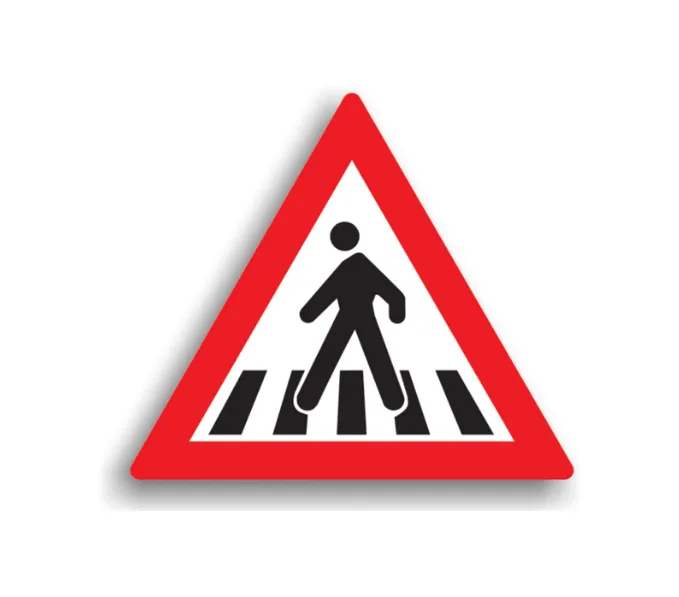
- Pedestrian and School Zone Beacons: These are placed near pedestrian crossings or around educational institutions to reduce vehicle speed and protect pedestrians.
The Role of Road Beacons in Traffic Safety
Road beacons play a critical role in preventing accidents and facilitating traffic flow. In low visibility situations, such as fog, heavy rain, or snowfall, reflective beacons become an essential visual indicator for drivers. They help maintain the correct direction and avoid uncontrolled exits from the roadway, especially on winding or hazardous roads.
Additionally, beacons are extremely useful in organizing traffic in construction zones or emergency situations. They can be quickly deployed to create temporary routes without requiring complex infrastructure, providing a simple and effective way to manage vehicle flow in unexpected conditions.
Benefits of Using Road Beacons
Increased Visibility: Beacons are equipped with reflective elements, ensuring optimal visibility in any weather conditions. This makes them indispensable at night or in low visibility situations.
Durability: Made from resilient materials, road beacons are designed to withstand impacts and adverse weather conditions, having a long lifespan.
Flexibility: They can be quickly deployed in any area requiring a temporary change in road configuration, whether for maintenance work, events, or emergencies.
Economic Efficiency: Compared to other road signaling solutions, road beacons are a cost-effective solution, providing increased safety at lower costs.
Where are Road Beacons Installed?
These devices are widely used in various scenarios:
- On highways and national roads, to delineate traffic lanes or indicate the edge of the roadway.
- In work zones or construction sites, to direct traffic and signal hazardous areas.
- In urban areas, especially near schools or pedestrian crossings, to reduce vehicle speed and increase pedestrian safety.
Conclusion
Road beacons are an essential element for road traffic safety, providing drivers with clear visual cues and contributing to smoother traffic flow, especially in difficult conditions. Their proper use can significantly reduce the risk of accidents and ensure safer circulation on public roads. Investing in these reflective devices is an effective and necessary measure for improving road infrastructure and protecting road users.