






Traffic Cones: Essential Elements for Traffic Safety and Organization
In a busy and dynamic road environment, effective management of vehicle flow and the safety of road users are essential priorities. Among the most commonly used and effective tools for organizing traffic and warning drivers are traffic cones. These simple yet highly visible devices help maintain order on the roads and reduce the risks of accidents.
What are traffic cones?
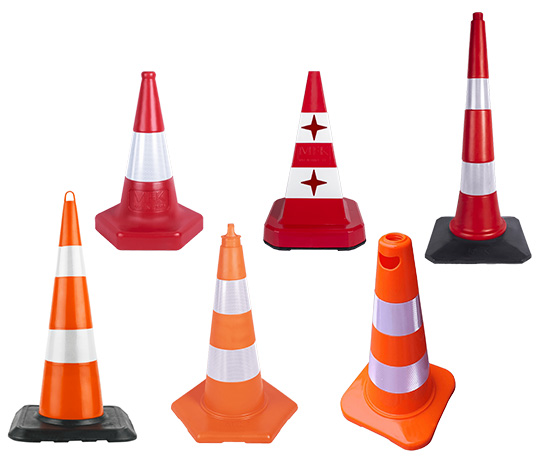
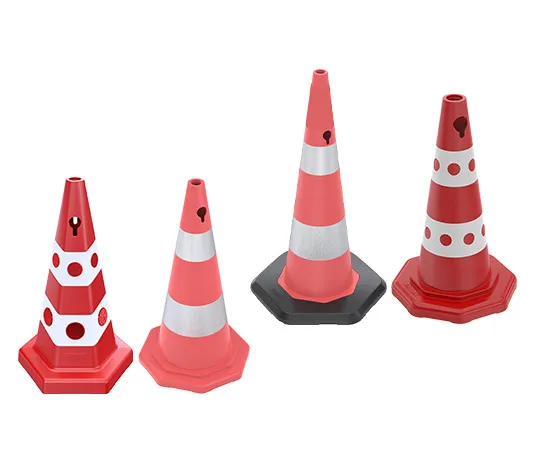
Traffic cones are signaling devices used to temporarily or permanently mark certain areas of the roads. They are made from durable materials, such as resistant plastic or rubber, and are equipped with reflective elements to be visible both during the day and at night. They are frequently used in construction zones, to delineate traffic lanes, or to guide traffic in specific directions.
The role of traffic cones in road safety
Warning drivers: Traffic cones are strategically placed in locations where it is necessary to warn drivers about a change in traffic conditions, such as construction work or temporary traffic detours. They are extremely visible and compel drivers to be attentive and adjust their speed and direction.
Delineating hazardous areas: In high-risk accident zones, traffic cones are used to delineate dangerous spaces. They can mark the edge of the road, construction zones, or other temporary obstacles, thereby preventing accidents caused by driver inattention or lack of information.
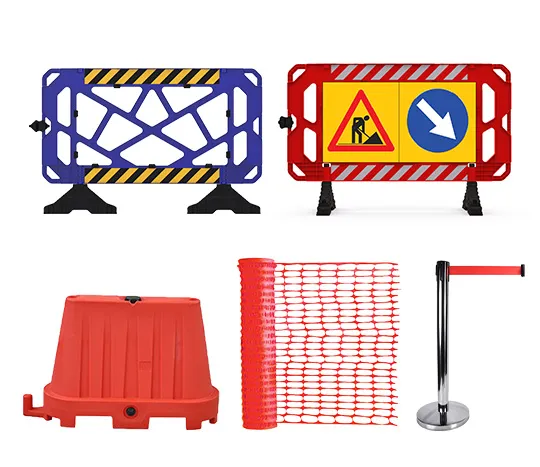
Guiding traffic flow: Another major advantage of traffic cones is their ability to organize traffic flow. They can be used to create temporary traffic lanes or to redirect vehicles around obstacles. In emergencies or during special events, cones allow for quick and efficient traffic reorganization.
Increased visibility in adverse weather conditions: Reflective elements or even flashing lights equipped on some cones make them extremely effective at night or in low visibility conditions, such as rain, fog, or snow. This ensures that drivers can quickly identify changes in traffic, even in the most challenging conditions.
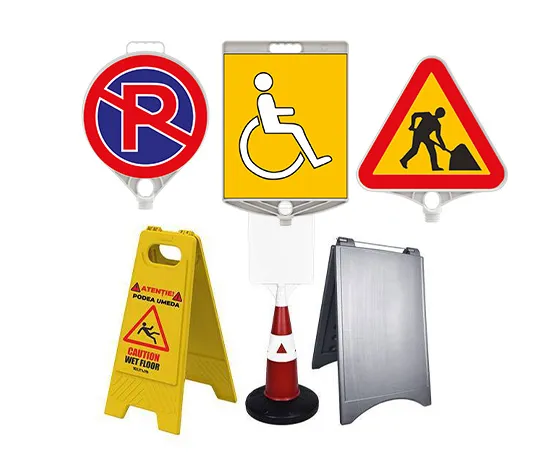
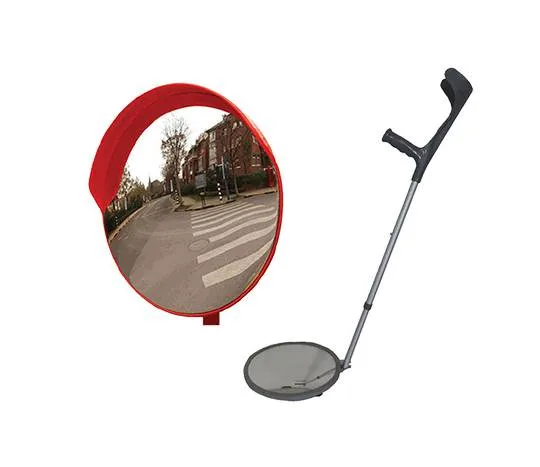
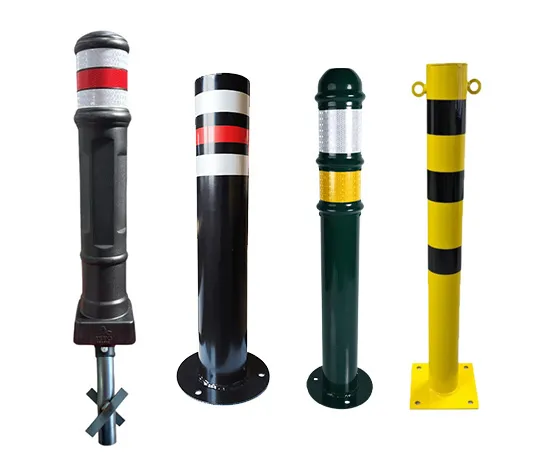
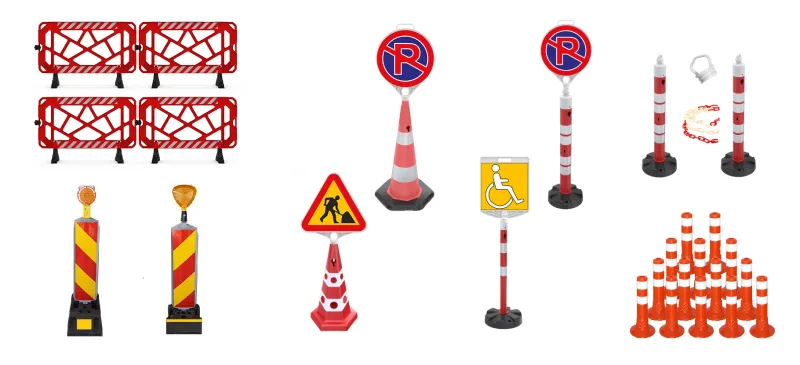
Best Selling Traffic Cone Products
Types of traffic cones
There are several types of traffic cones, each designed for specific use:
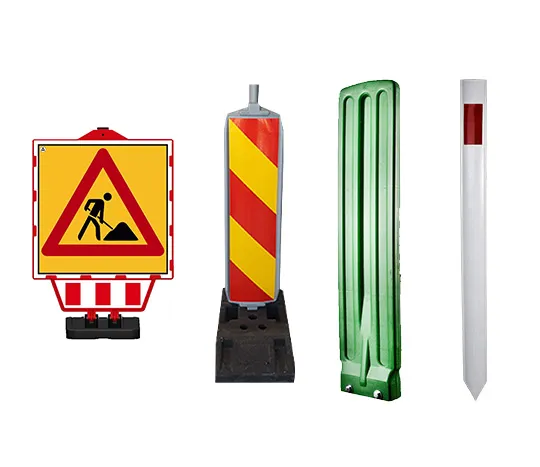
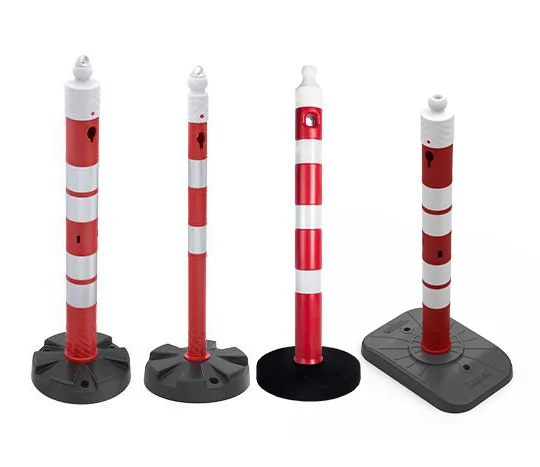
Temporary traffic cones: These are frequently used in construction zones or on roads where repair work is being done. They are portable and easy to set up and take down, making them ideal solutions for temporary situations. Most are made from lightweight yet durable materials and are equipped with reflective elements for increased visibility.
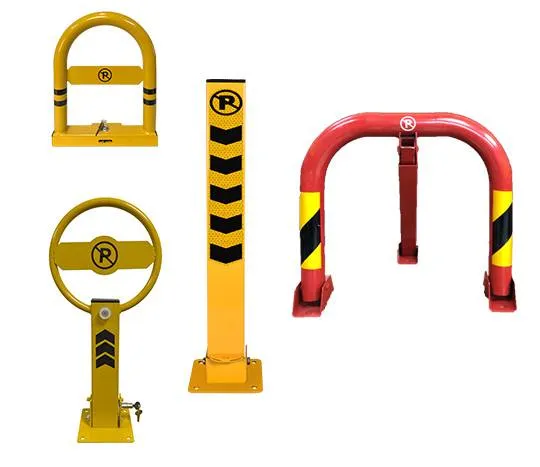
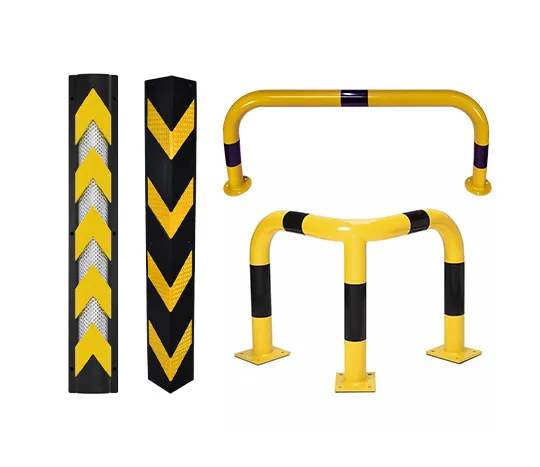
Permanently installed traffic cones: These cones are used permanently to delineate certain traffic areas or to guide drivers in complex intersections. They are fixed to the roadway and are made from very durable materials capable of withstanding vehicle impact and extreme weather conditions.
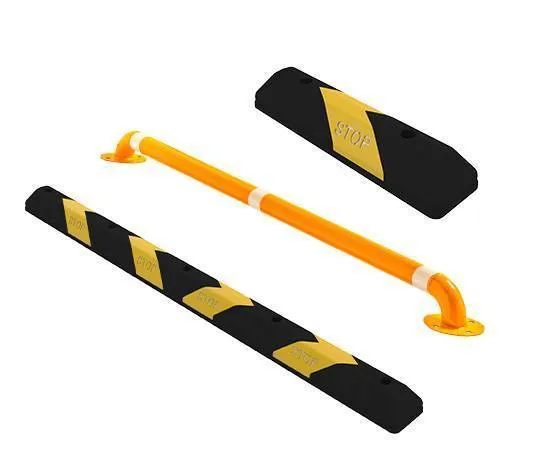
Flexible traffic cones: These are made from rubber or flexible materials and are designed to return to their original shape after a minor impact. They are often used in parking lots or on roads where there is a risk of vehicles coming into contact with them.
Benefits of using traffic cones
Reducing the risk of accidents: By directing and warning drivers about changes in traffic, traffic cones help reduce the risk of accidents, especially in construction zones or busy intersections.
Efficient traffic organization: Cones help organize the flow of vehicles in high-traffic areas, ensuring a safe and well-regulated environment. They can be quickly and efficiently deployed, allowing authorities to respond promptly to changes in traffic.
Low cost and durability: Being made from resistant materials and having a long lifespan, traffic cones are cost-effective solutions. They require minimal maintenance and can be used long-term in various conditions.
Conclusion
Traffic cones are indispensable elements in the effective management of traffic and in ensuring road safety. Whether used temporarily in construction zones or as part of permanent infrastructure, these devices ensure better organization of roads and prevent accidents. Investing in quality, visible, and durable traffic cones is an essential decision for authorities looking to maintain safety and traffic flow in urban and rural areas.