







Guardrails: Their Importance in Preventing Road Accidents
Road accidents are a major global issue, having a devastating impact on people's lives and economies. One of the most effective ways to reduce traffic-related risks is through the use of guardrails. These structures are essential for ensuring safety on roads and highways, playing a crucial role in preventing accidents and protecting both drivers and pedestrians.
What are guardrails?
Guardrails are structures installed along the edges of roads and highways, designed to prevent vehicles from leaving the roadway in the event of an accident. They can be made from various materials, such as steel, concrete, or plastic, and are designed to absorb impact, thereby reducing the severity of accidents.
Types of guardrails
There are several types of guardrails, each with specific characteristics depending on the context in which they are used:
Concrete guardrails: These are the most robust and are often used on highways. They are effective in preventing vehicles from leaving the roadway and provide enhanced protection in the event of an impact.
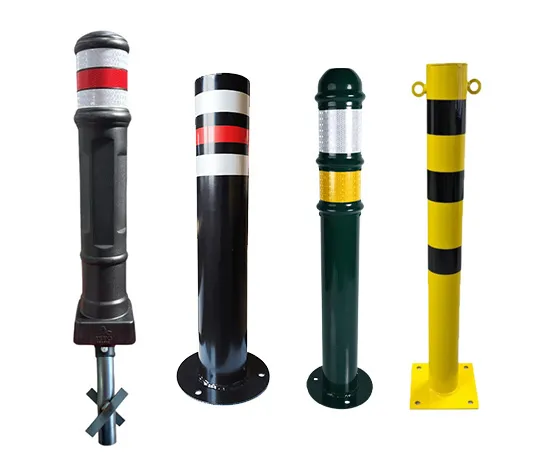
Metal guardrails: These are easier to install and maintain than concrete ones, frequently used in urban areas. Metal guardrails are effective in redirecting vehicles back onto the road, as well as protecting pedestrians.
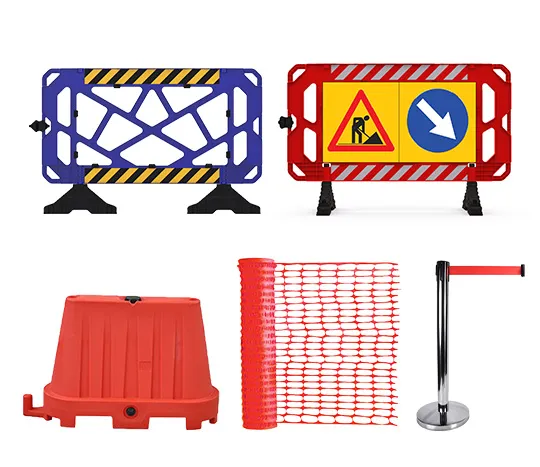
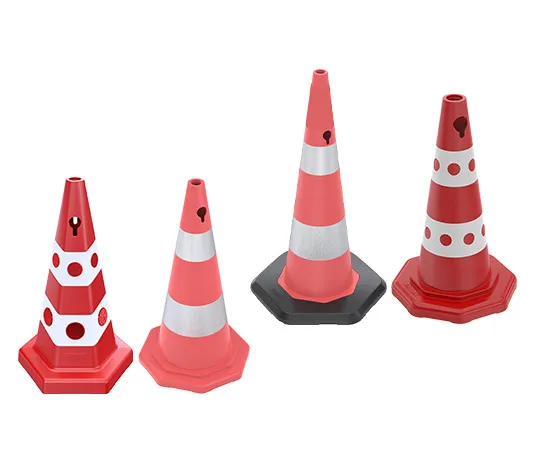
Plastic or composite guardrails: These guardrails are lighter and more flexible, often used in temporary areas, such as construction sites or special events. Although they are not as durable as those made of concrete or metal, they can be useful in certain situations.
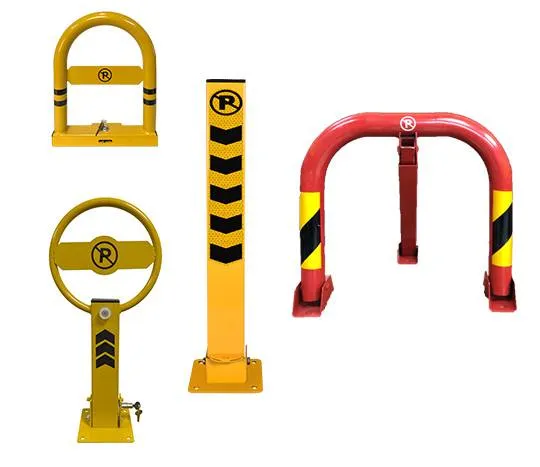
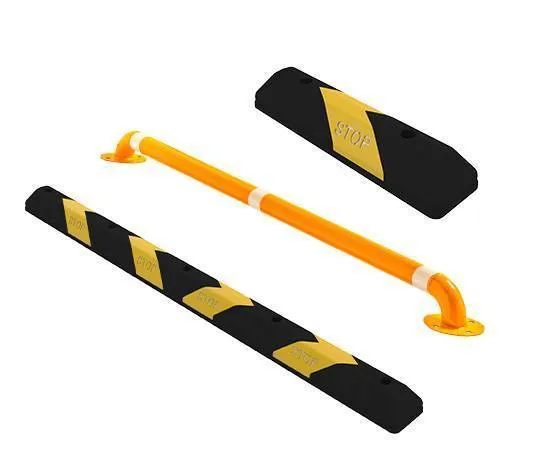
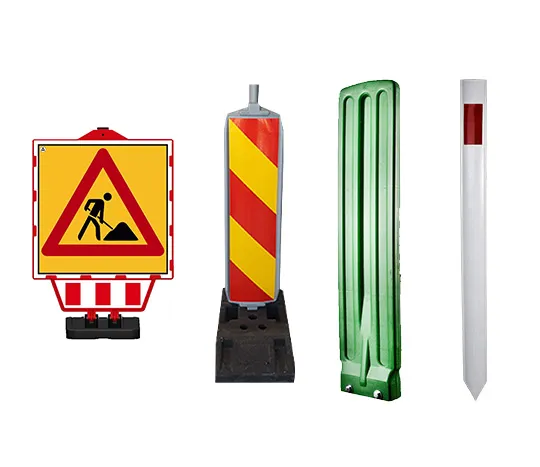
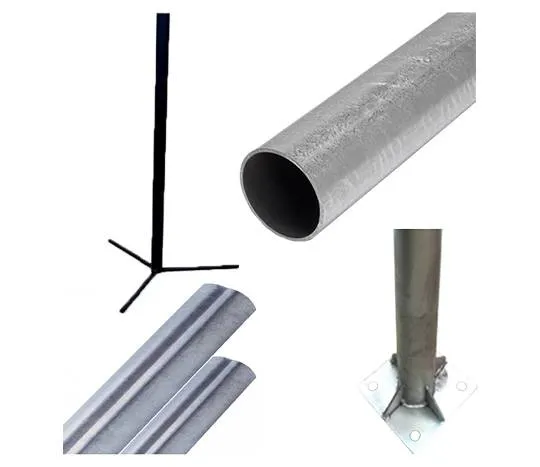
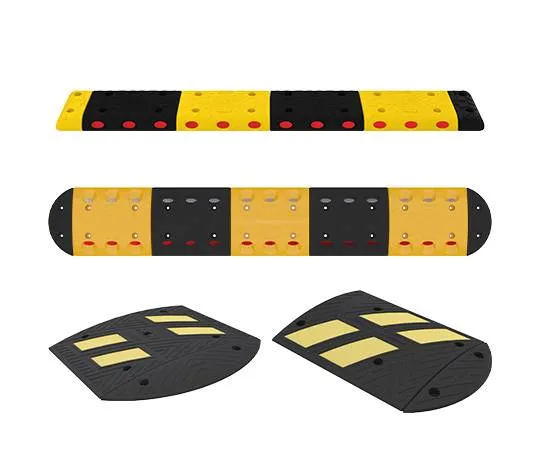
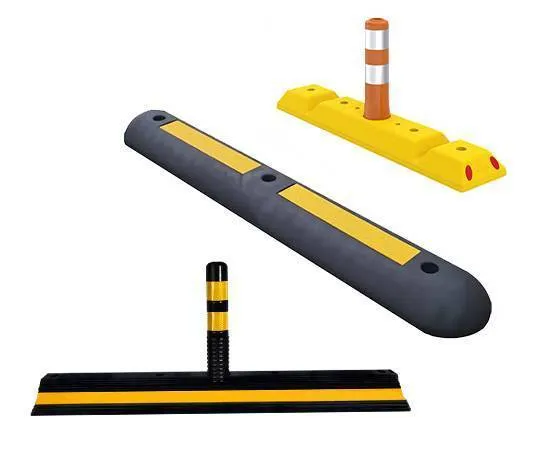
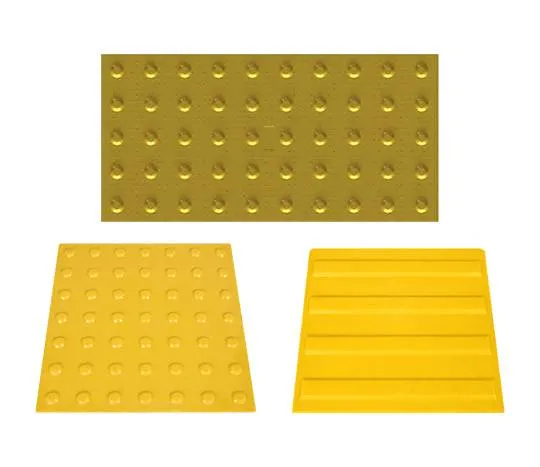
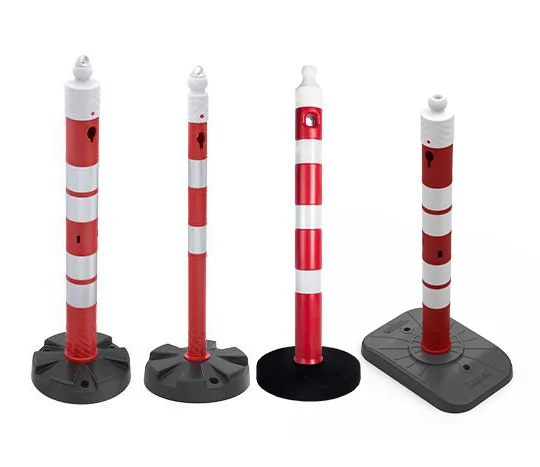
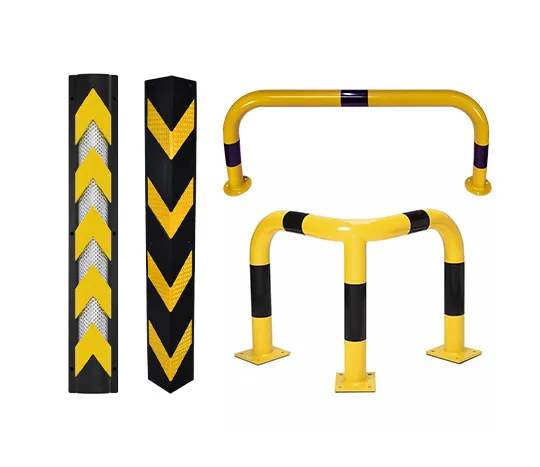
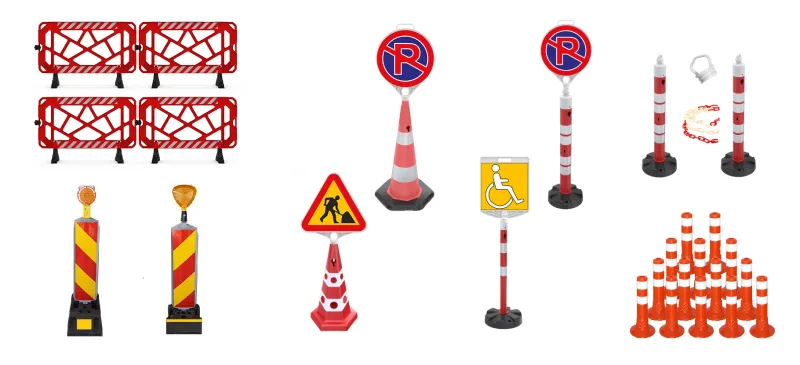
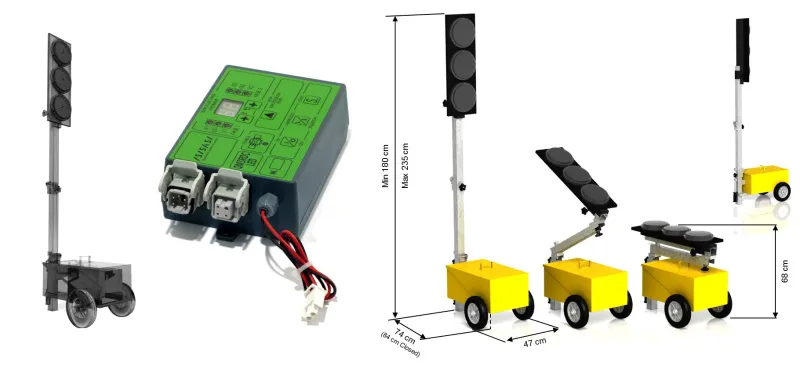
Best-selling Guardrail Products


Benefits of guardrails
Reducing the severity of accidents: Studies show that the use of guardrails significantly reduces the severity of accidents. They help prevent direct collisions with fixed objects, such as poles or walls, thereby protecting the lives of passengers.
Improving pedestrian safety: Guardrails can create a safety zone between traffic and sidewalks, reducing the risk of accidents among pedestrians. This is essential in urban areas where the flow of traffic and pedestrians is intense.
Directing traffic flow: Guardrails can help organize and direct traffic, preventing vehicles from entering prohibited lanes. This is crucial in areas with complex intersections or near construction sites.
Guardrails in the context of urbanization
As cities develop, the challenges related to road safety become increasingly complex. Guardrails must be integrated into urban planning to ensure smooth and safe traffic flow. Measures that can be implemented include:
Risk assessment: Local authorities should conduct periodic risk assessments to identify areas where guardrails are necessary. This may include analyzing previous accidents and traffic flow.
Sustainable design: Guardrails should be designed not only for safety but also to harmoniously integrate into the urban landscape. The use of recyclable materials and eco-friendly design solutions can contribute to a friendlier urban environment.
Educating drivers and pedestrians: In addition to installing guardrails, road education plays a crucial role in preventing accidents. Awareness campaigns can help inform the public about the importance of obeying traffic signs and road behavior rules.
Conclusion
Guardrails are an essential element in ensuring safety on roads and highways. By preventing accidents and protecting lives, these structures contribute to creating safer road environments. Investing in quality guardrails, along with proper traffic management and road education, can have a significant impact on the safety of our communities.