








Road Barriers: Their Importance in Traffic Safety and Management
Road barriers play an essential role in traffic organization and ensuring safety on both public roads and private spaces. Whether we are talking about automatic, semi-automatic, or manual barriers, they are used in various situations to control vehicle access and to delineate restricted areas. In this article, we will explore the importance of road barriers, the main types and their uses, as well as how they contribute to increasing safety and efficiency in traffic management.
Types of road barriers and their applications
There are several types of road barriers, each having specific purposes and applications. The most common types are:
Automatic barriers: These barriers are controlled by an electronic system and are frequently used in parking lots, at entrances to residential areas, or at access points to public institutions. They allow for efficient access control and can be operated remotely or through devices such as remote controls, magnetic cards, or buttons.
Semi-automatic barriers: Semi-automatic barriers require minimal human intervention to be raised or lowered. They are usually used in less trafficked areas or in places where full automation is not necessary.
Manual barriers: These are the simplest types of barriers and are operated manually. Typically, they are used in rural areas or at the entrances to industrial spaces and do not require complex technical infrastructure.
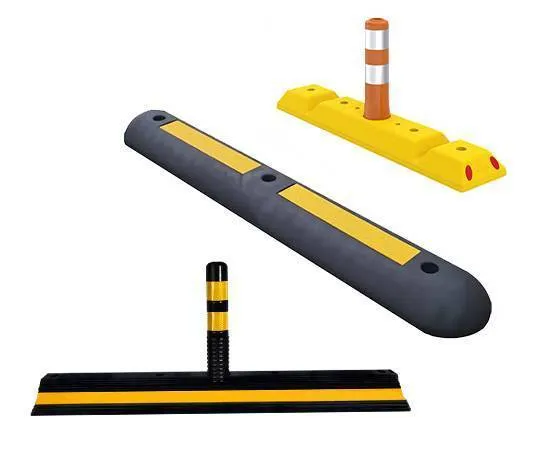
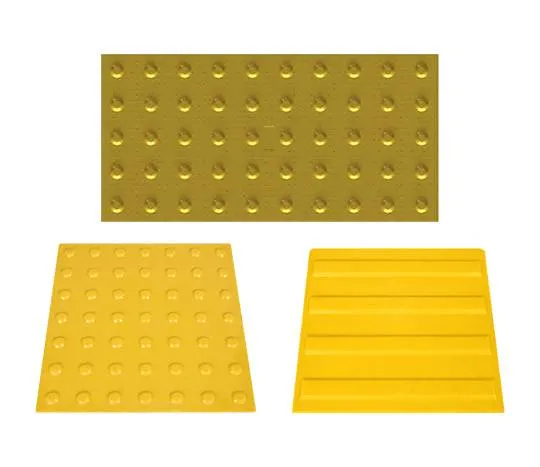
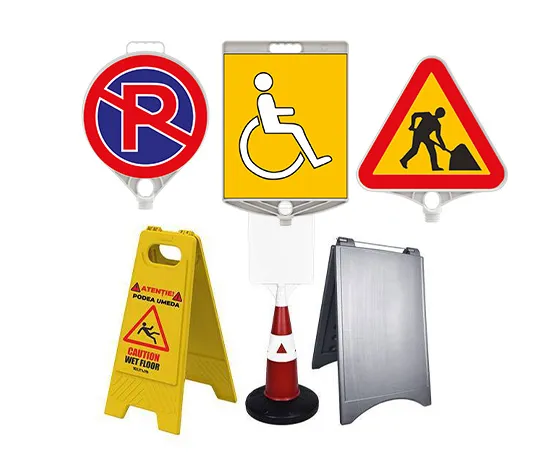
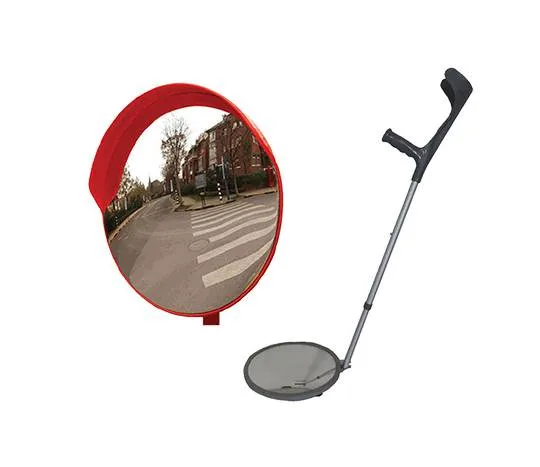
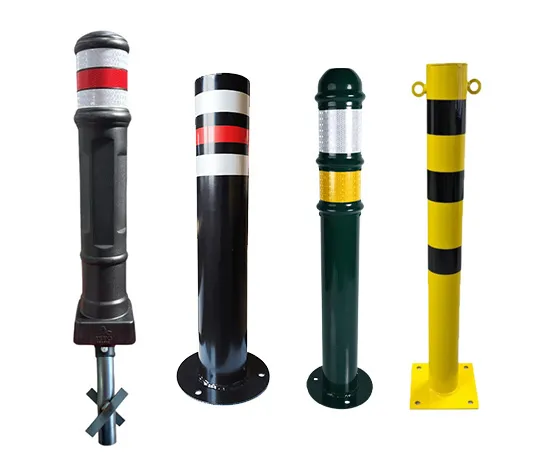
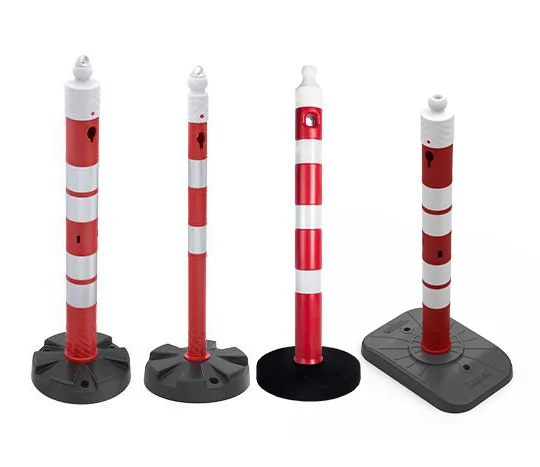
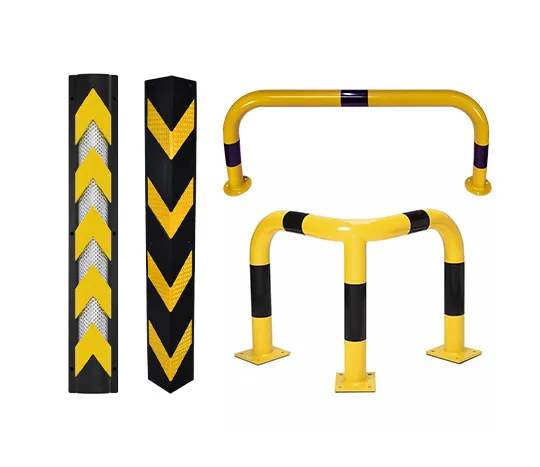
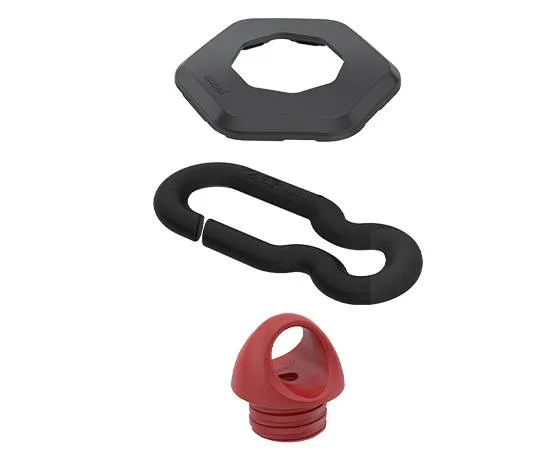
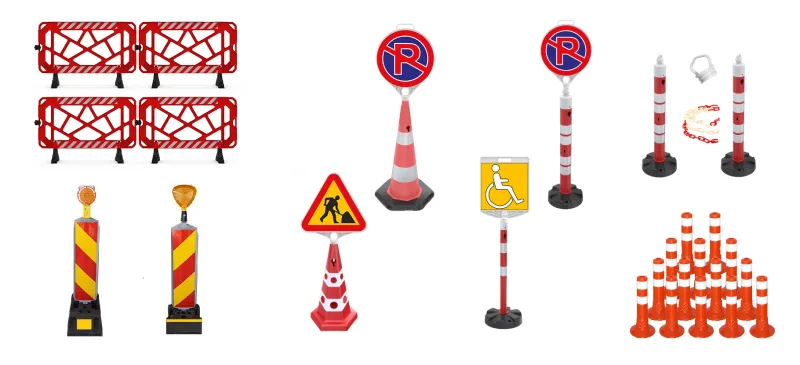
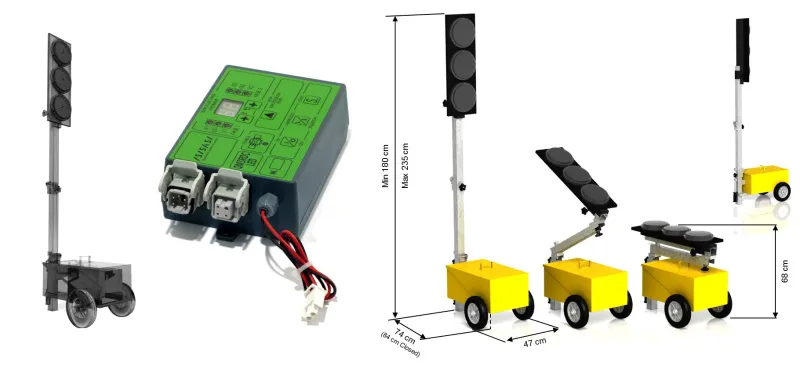
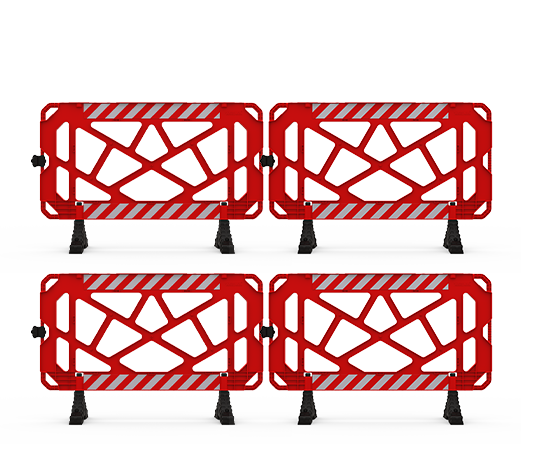
Best-selling Barrier Products



The Importance of Barriers in Road Safety
One of the main purposes of road barriers is to control vehicle access to certain areas and to prevent unauthorized access. Barriers are essential in spaces where a clear separation between accessible and restricted areas is necessary. They can be used to prevent vehicle access to pedestrian zones, to delineate entrances to private parking areas, or to ensure that only authorized vehicles can enter certain institutions.
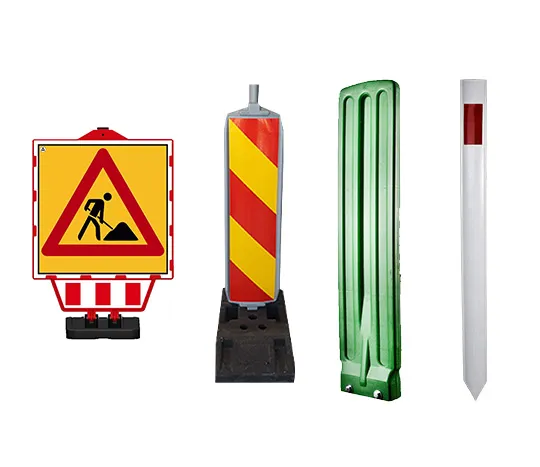
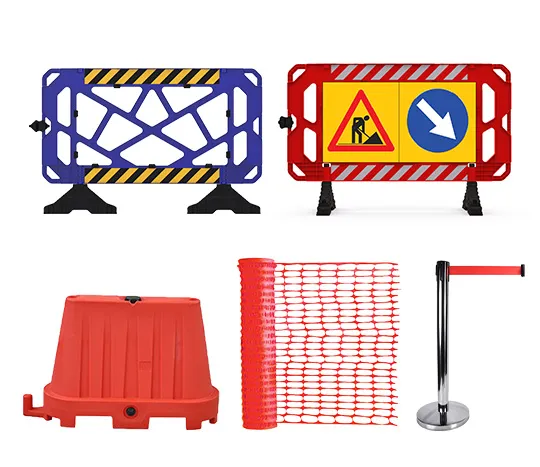
In emergency situations, road barriers can help isolate dangerous areas or control traffic in an organized manner. For example, in the case of infrastructure work or a traffic accident, barriers can be used to redirect traffic and ensure that drivers follow a safe route. Thus, barriers contribute to preventing accidents and maintaining order on the roads.
Barriers in Parking Lots and Residential Areas
In public or private parking lots, automatic barriers are essential for managing access and vehicle flow. They allow for efficient control of entries and exits, ensuring that only authorized persons or those paying for parking services can access the space. Additionally, automatic barriers can be integrated into more complex security systems that monitor vehicles entering and exiting the parking lot, thereby enhancing safety.
In residential areas, barriers provide additional protection for residents by preventing unauthorized vehicle access and reducing the risk of crime. Automatic barriers are often preferred in modern residential complexes as they offer a balance between security and convenience. They can be operated remotely by residents or security personnel, ensuring controlled and smooth access.
Barriers in Industrial Traffic Management
In the industrial environment, road barriers are used to delineate work areas and prevent accidents in spaces where hazardous activities are conducted. They are essential in ports, airports, construction sites, and other industrial locations where vehicle traffic must be managed carefully. Industrial barriers are built from robust materials and are designed to withstand harsh working conditions, ensuring high durability and consistent performance.
Additionally, road barriers can be integrated into more complex traffic management systems, such as traffic lights and road signs, to create a comprehensive access and circulation control system.
Eco-friendly Barriers
A recent trend in road barriers is the adoption of eco-friendly solutions, such as solar barriers. These barriers operate on solar energy, eliminating the need for high electricity consumption. Eco-friendly solutions are becoming increasingly popular in high-traffic areas, such as parking lots and residential zones, as they contribute to reducing carbon footprints and increasing the sustainability of road infrastructure.
Conclusion
Road barriers play an essential role in traffic management and ensuring safety on our roads. From parking lots and residential areas to industrial spaces and public roads, barriers provide effective solutions for access control and traffic organization. Investing in modern and eco-friendly barriers can contribute to a safer, more efficient, and more sustainable road infrastructure in the long term.