












Parking Barriers: A Measure of Sustainability and Efficiency in Urban Parking Management
In the context of rapid urbanization and the increasing number of vehicles, efficient management of parking spaces has become a priority for authorities and building owners. An innovative and increasingly popular solution is the use of parking barriers, which not only improve the organization of parking but also contribute to creating a more sustainable urban environment. In this article, we will explore how parking barriers can have a positive impact on energy efficiency and the sustainability of parking spaces.
What does sustainability mean in parking management?
Sustainability in parking management involves the smart use of resources, reducing energy consumption, and optimizing available spaces to minimize environmental impact. Parking barriers play an essential role in this direction, providing efficient solutions to reduce unnecessary traffic and protect reserved parking spaces, thereby contributing to a reduction in carbon footprint.
How do parking barriers contribute to sustainability?
Reducing unnecessary traffic: In the absence of an efficient parking management system, drivers often spend a lot of time searching for available parking spots. This not only increases congestion in cities but also fuel consumption, leading to increased pollution. Parking barriers help prevent unauthorized access, thereby reducing unnecessary traffic and shortening the time spent searching for a parking spot.
Protecting spaces for electric vehicles: With the growing popularity of electric vehicles, more and more parking lots are equipped with charging stations. Parking barriers can be used to protect these spaces, ensuring they are only used by electric vehicles. Thus, they contribute to supporting the transition to more environmentally friendly transportation and encouraging the use of electric vehicles.
Automated systems for energy efficiency: Automated parking barriers, which can be controlled remotely via remote control or mobile applications, reduce the need for physical movement to manage parking spaces. These automated systems can contribute to a reduction in energy consumption and optimize resources through the smart use of technology.
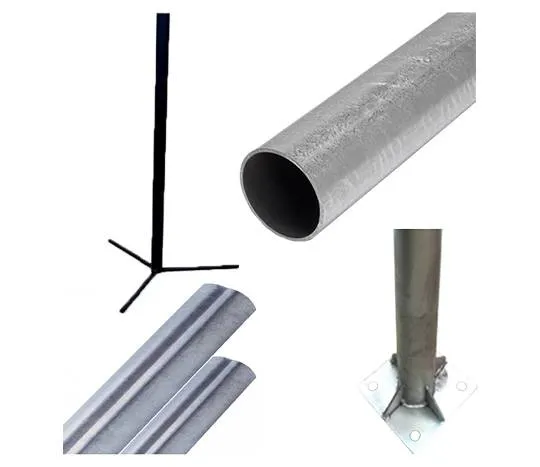
Using sustainable materials: Most parking barriers are made from recyclable and durable materials, such as galvanized steel or aluminum. These materials are not only resistant to wear and adverse weather conditions but can also be recycled at the end of their life cycle. Choosing such materials helps reduce resource consumption and protect the environment.
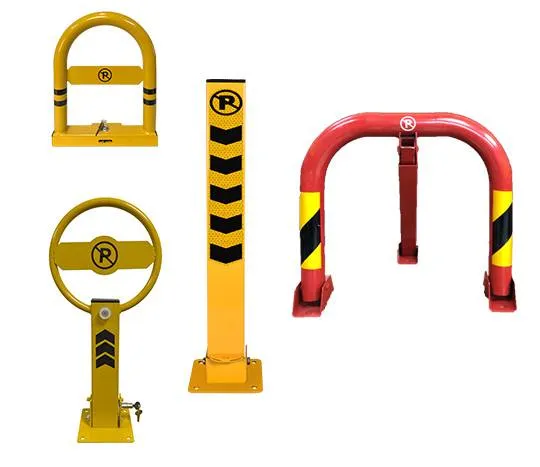
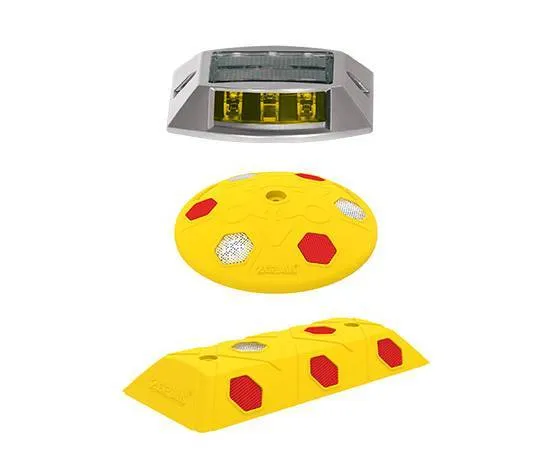
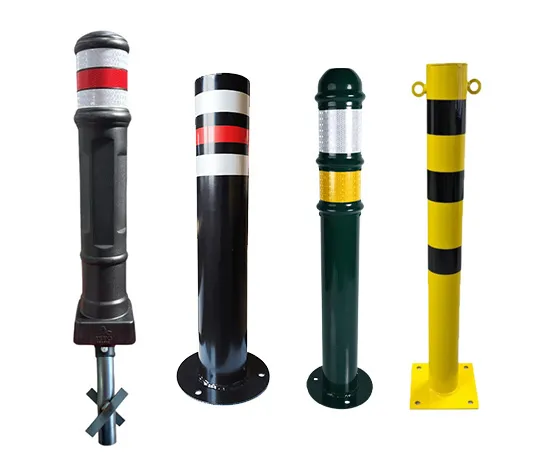
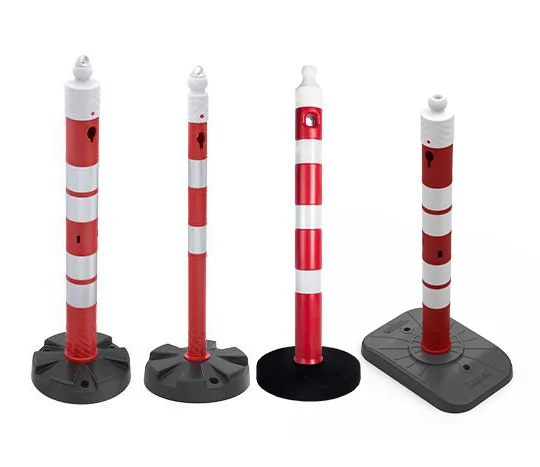
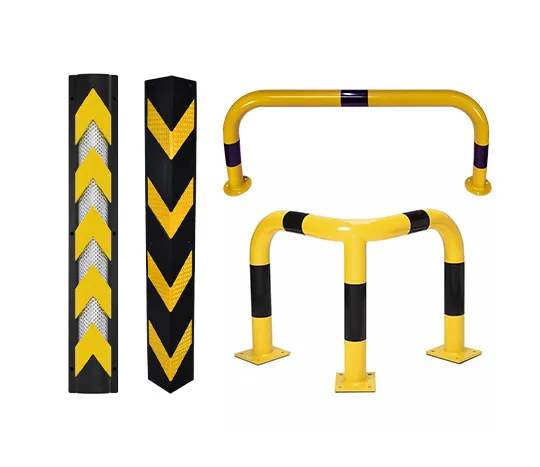
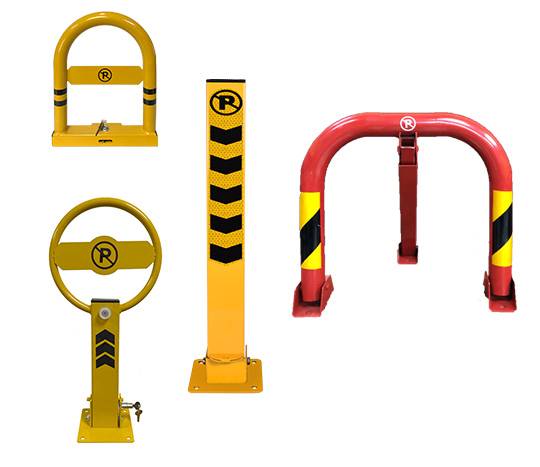
Best-Selling Parking Barrier Products
Parking Barriers and Sustainable Urban Mobility
Sustainable urban mobility is an essential concept in modern cities, and parking barriers play an important role in ensuring efficient and organized traffic flow. They allow for better management of public and private parking spaces, contributing to traffic fluidity and reducing congestion in crowded areas. By maintaining strict control over access to parking lots, barriers allow for the optimization of space utilization, thereby reducing the need to build new parking facilities, which would consume valuable resources.
The economic impact of sustainable parking barriers
In addition to ecological benefits, parking barriers can also bring significant economic advantages. By reducing wear on road infrastructure and optimizing space utilization, maintenance costs can be considerably diminished. Additionally, automated barriers reduce the need for hiring security personnel or staff responsible for managing parking, leading to additional long-term savings.
How can parking barriers be integrated into green projects?
Parking barriers are an essential component in green urban development projects. They can be integrated with other smart infrastructure solutions, such as energy-efficient public lighting or charging stations for electric vehicles, thus contributing to the creation of a sustainable urban ecosystem. Furthermore, parking barriers can be used to support car-sharing initiatives by reserving dedicated spaces for these services and thereby encouraging the use of shared transportation.
Conclusion
Parking barriers are not just a practical solution for protecting parking spaces but also an important element in urban sustainability strategies. By reducing unnecessary traffic, protecting spaces for electric vehicles, and using sustainable materials, these devices contribute to creating a cleaner and more energy-efficient urban environment. As cities continue to develop, parking barriers will play an increasingly important role in managing parking spaces and ensuring sustainable mobility.