


You pull out of a yard with a tall fence, out of an underground car park or off a lane between two buildings, and you see nothing to the side until the front of the car is already on the road. A convex traffic mirror moves your view round the corner: in a single image the driver sees the car, bike or pedestrian that is coming. This guide helps you choose between the two diameters, shows which fixings are in the box and explains where the mirror goes so it actually helps.
What a convex traffic mirror is
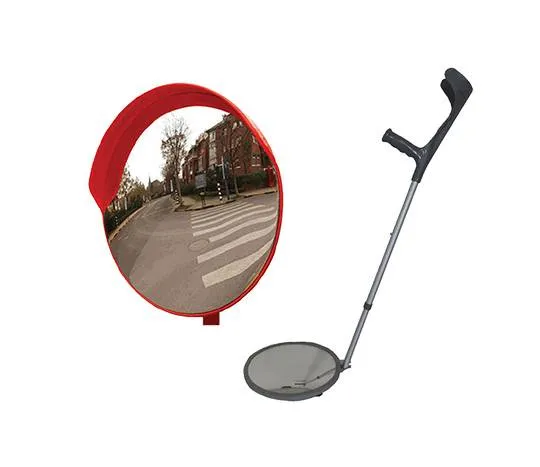
It is a curved mirror fitted on a post or a wall where drivers cannot see to the side. People also look for it as a street mirror, an intersection mirror, a safety mirror or a parking mirror: it is the same product. The convex surface covers a wide angle, so a mirror of just 60 or 80 cm takes in the whole road coming from the side.
We have two models, which differ only in diameter and weight:
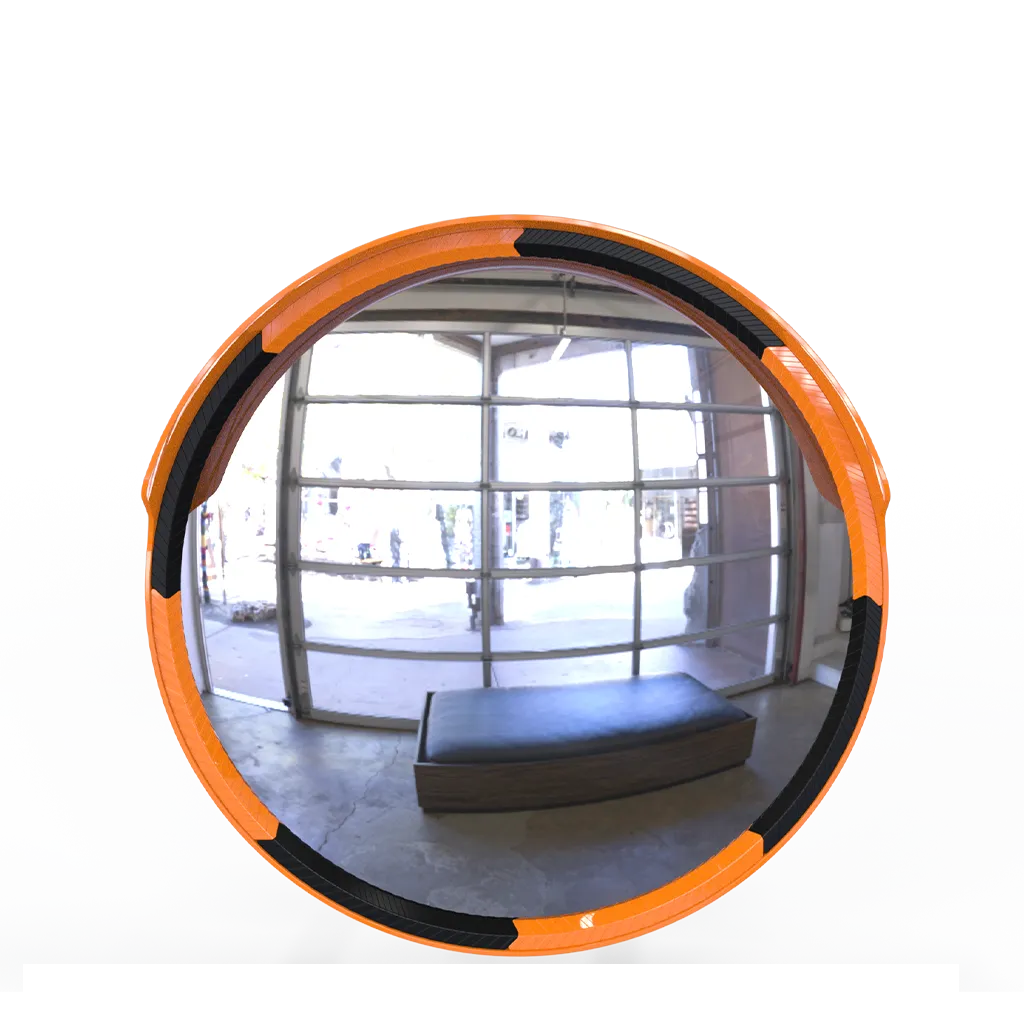
Both have an acrylic mirror surface and a PPC plastic frame. On the ATZ 6080 the frame is orange with black segments, so the mirror is easy to spot.
Why acrylic and not glass
Acrylic is lighter than glass and stands up to knocks better. If a ball, a branch or a ladder carried on a shoulder hits the mirror, it does not shatter like a window. That matters most in yards, warehouses and car parks where people can easily reach the mirror too.
Ø60 or Ø80 cm
Choose the diameter by how far away the driver reads the mirror and how fast traffic comes from the side.
Ø60 cm for short distances
The ATZ 6460 suits places where the driver gets close to the mirror and side traffic is slow: the ramp of an underground car park, the corner of a warehouse, the exit from a yard or a garage onto a narrow lane. In enclosed spaces or at slow exits, Ø60 cm is enough.
Ø80 cm for roads and junctions
The ATZ 6080 gives a larger image, which the driver takes in faster and from further away. It suits public roads, junctions and exits onto busy streets. The short rule: if traffic comes in fast or the mirror is far from the driver, choose Ø80 cm.
What to fix it to
The box contains both fixing kits: one for a post with a diameter between Ø48 and Ø85 mm, and one for a wall. You do not have to decide in advance.
- On a wall: in underground car parks and warehouses the mirror usually goes straight onto the wall or onto a building column.
- On an existing post: it can also go on a traffic light pole or the post of a pedestrian crossing sign, if its diameter is between Ø48 and Ø85 mm.
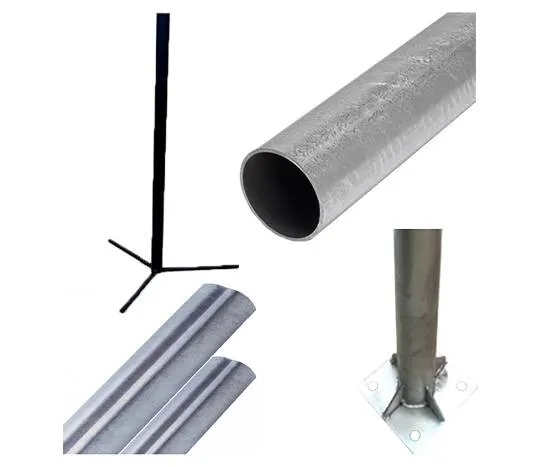
- On a new post: the ATT 48x2_3 is Ø48 mm and 300 cm, and the ATT R60x2_3.5 is Ø60 mm and 350 cm. The post is ordered separately.
Where to place it
As a rule, the mirror goes opposite the exit, on the other side of the road or lane, or in the corner of the bend. Put it at a height where tall vehicles cannot hit it, such as vans coming into the yard or the delivery lorry.
- Work out where the driver pulls out and which direction the unseen traffic comes from.
- Fix the mirror loosely, without fully tightening the bracket.
- Sit at the wheel, stop where cars normally pull out and check what you see: both directions must show in the mirror.
- Adjust the angle and only then tighten the bracket.
Where a mirror makes the difference
A mirror earns its place where there is a blind spot, somewhere the driver cannot see what is coming. These are the typical situations.
Leaving an underground car park
The car climbs the ramp and comes out onto the pavement or straight onto the street, and the ramp walls cut off the view on both sides. A Ø60 cm mirror on the wall facing the ramp shows pedestrians on the pavement before the car pulls out. If the ramp opens straight onto a busy street, Ø80 cm is the safer choice.
The corner of a warehouse or plant
In production and logistics yards, cars, forklifts and people meet at the corners of buildings. A mirror on the opposite corner shows what is coming round it. Distances are short here, so the ATZ 6460 is usually enough, and the acrylic surface does not shatter if a pallet or a ladder catches it.
A yard with a solid fence or wall onto the street
At houses and businesses with a solid fence, drivers back or nose out onto the street without seeing the pavement. The mirror goes opposite the gate, on a separate post or on an existing sign post, and shows both directions of the street.
A tight bend or a junction with a building on the corner
On lanes between blocks of flats, on internal roads and at junctions where a building hides the corner, drivers cannot see the vehicle coming the other way. Here the mirror goes in the corner of the bend, and if the road is busy and traffic is fast, the ATZ 6080, Ø80 cm, is easier to read.
Mistakes to avoid when fitting
- A mirror too small for the road. A Ø60 cm mirror at an exit onto a fast street gives an image the driver reads too late. On public roads and at junctions, choose Ø80 cm.
- Tightening before testing. The angle is set from the driver's seat, not from the ladder. Tighten the bracket only after you have checked that both directions show in the mirror.
- The mirror too low. At a height that van wing mirrors or lorry bodies reach, the mirror gets hit. Put it higher than the tallest vehicle that passes there.
- The wrong post. The bracket in the box is for Ø48–85 mm posts. Measure the existing post before you order; if it is thinner or thicker, you need a different post.
What to have ready when you order
To choose right first time, it helps to know three things: where you fix it (wall, existing post or new post), how far the driver is from the mirror when pulling out, and how fast cars come from the side. If it goes on an existing post, measure its diameter. With those answers, the choice between the ATZ 6460 and the ATZ 6080 is simple, and if you need a post as well, you get it in the same order.
Frequently asked questions
Is a street mirror the same as a convex mirror?
Yes. Street mirror, traffic mirror, intersection mirror and safety mirror are names for the same convex traffic mirror, fitted on a post or a wall.
Which diameter do I need for pulling out of my yard?
If you pull out onto a lane or a quiet street, the ATZ 6460, Ø60 cm, is enough. If you pull straight out into a busy street where cars come fast, take the ATZ 6080, Ø80 cm.
Can it be fixed to a wall?
Yes. Both models come with the wall bracket as well as the post bracket.
What post does it fit?
Any post between Ø48 and Ø85 mm in diameter, including a traffic light pole or a sign post. If you need a new one, the ATT 48x2_3 is Ø48 mm and 300 cm.
What is the mirror made of?
The surface is acrylic, lighter than glass and tougher against knocks, and the frame is PPC plastic.
How much does it weigh?
The ATZ 6460 weighs 5 kg and the ATZ 6080 weighs 6 kg.
How we can help
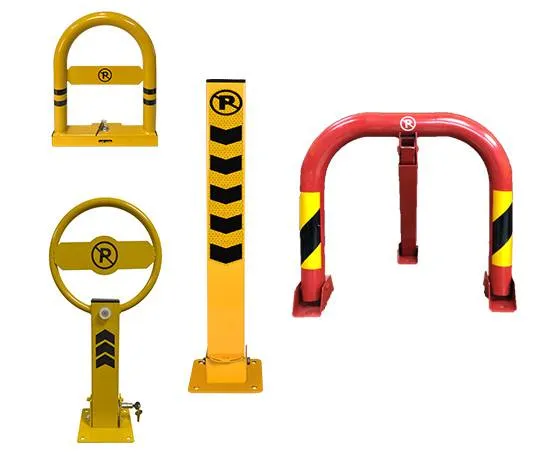
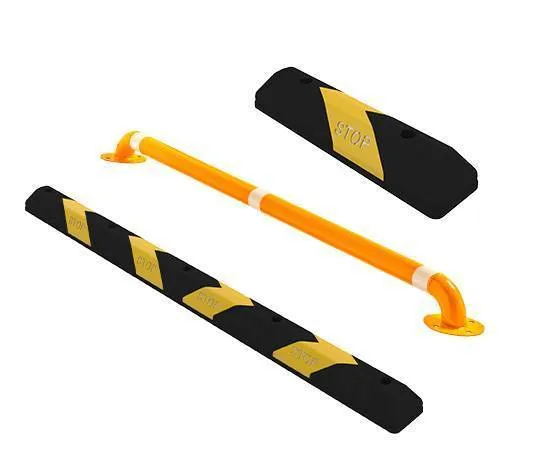
Both mirrors are under traffic mirrors, and delivery takes 24-48 hours. If you are not sure which diameter to choose, send us a photo of the exit and tell us how fast cars come from the side. For the rest of the car park, read our guide to wheel stops and our guide to parking blockers too.