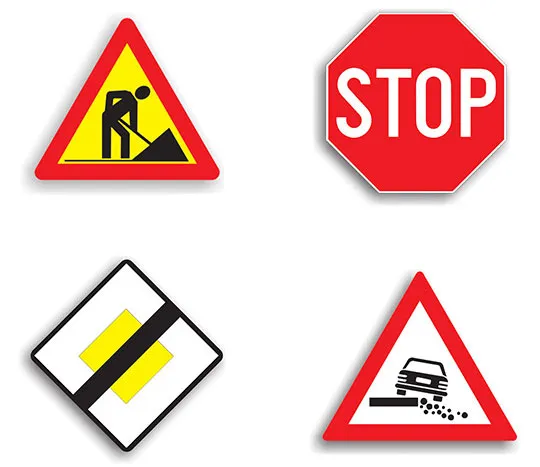
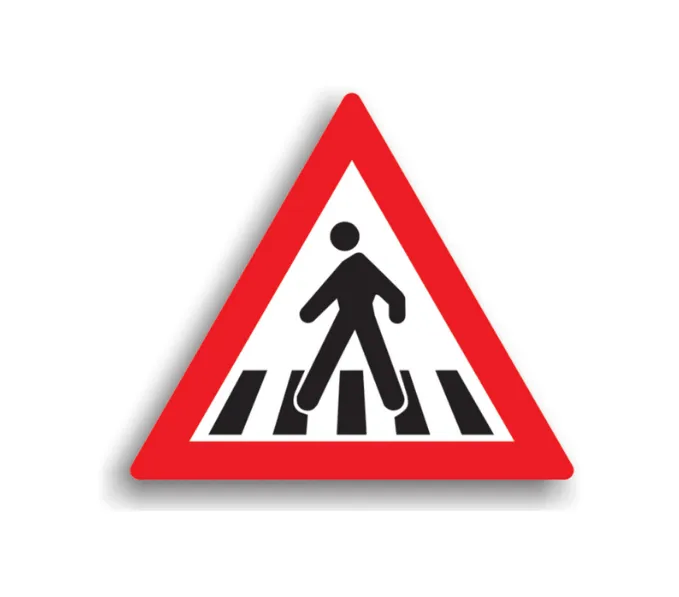

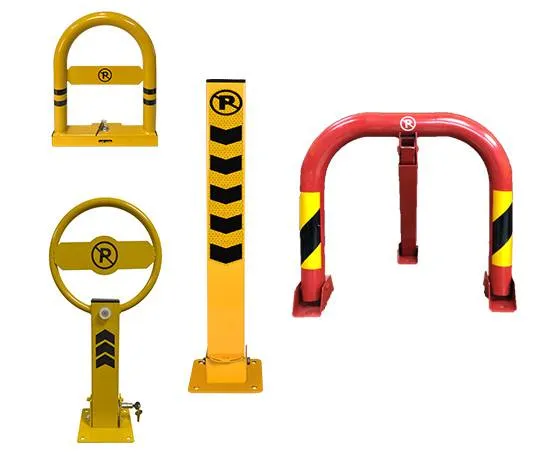

Prohibition or Restriction Signs (C)
Group C of SR 1848-1:2024: no entry, speed limits, no stopping and no parking.
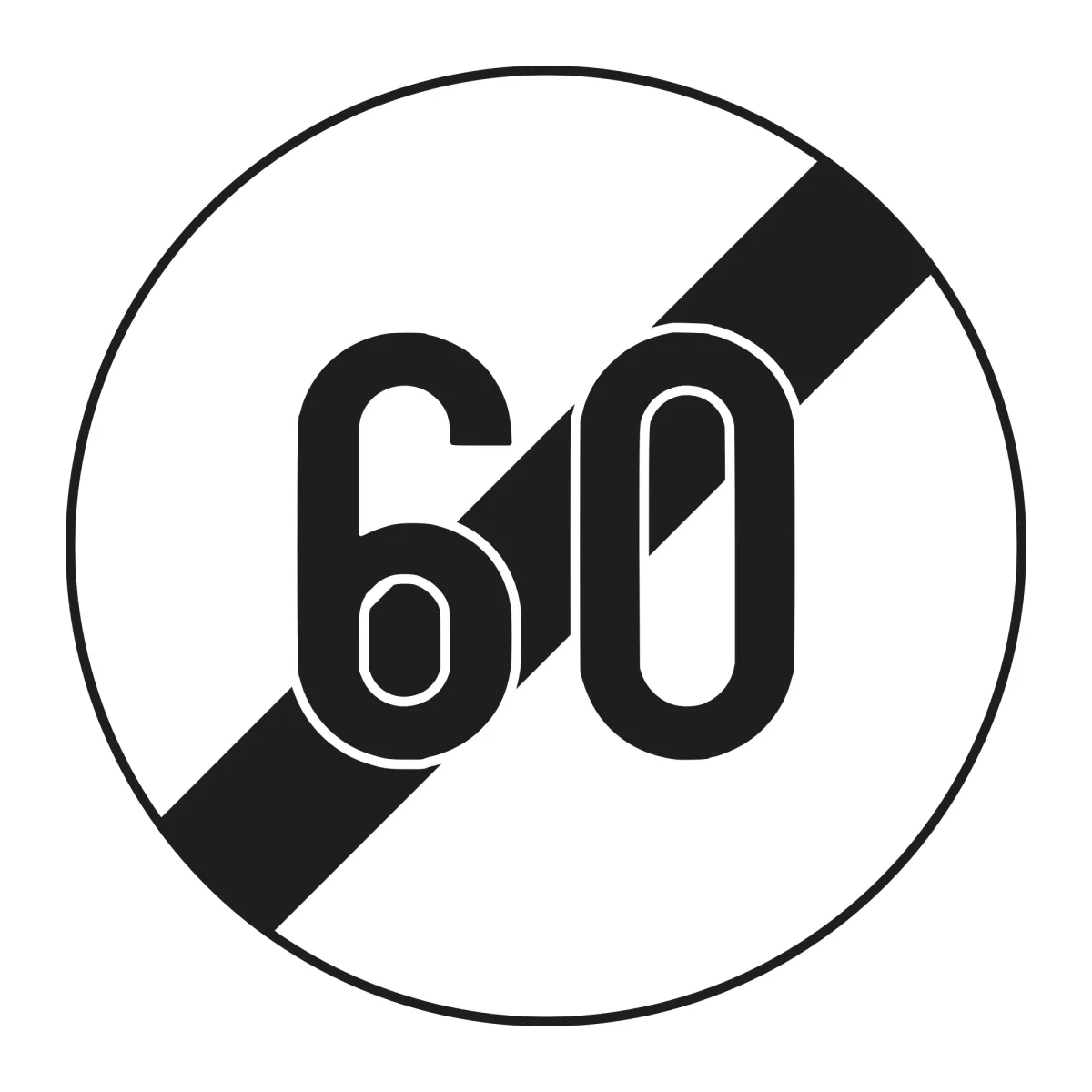
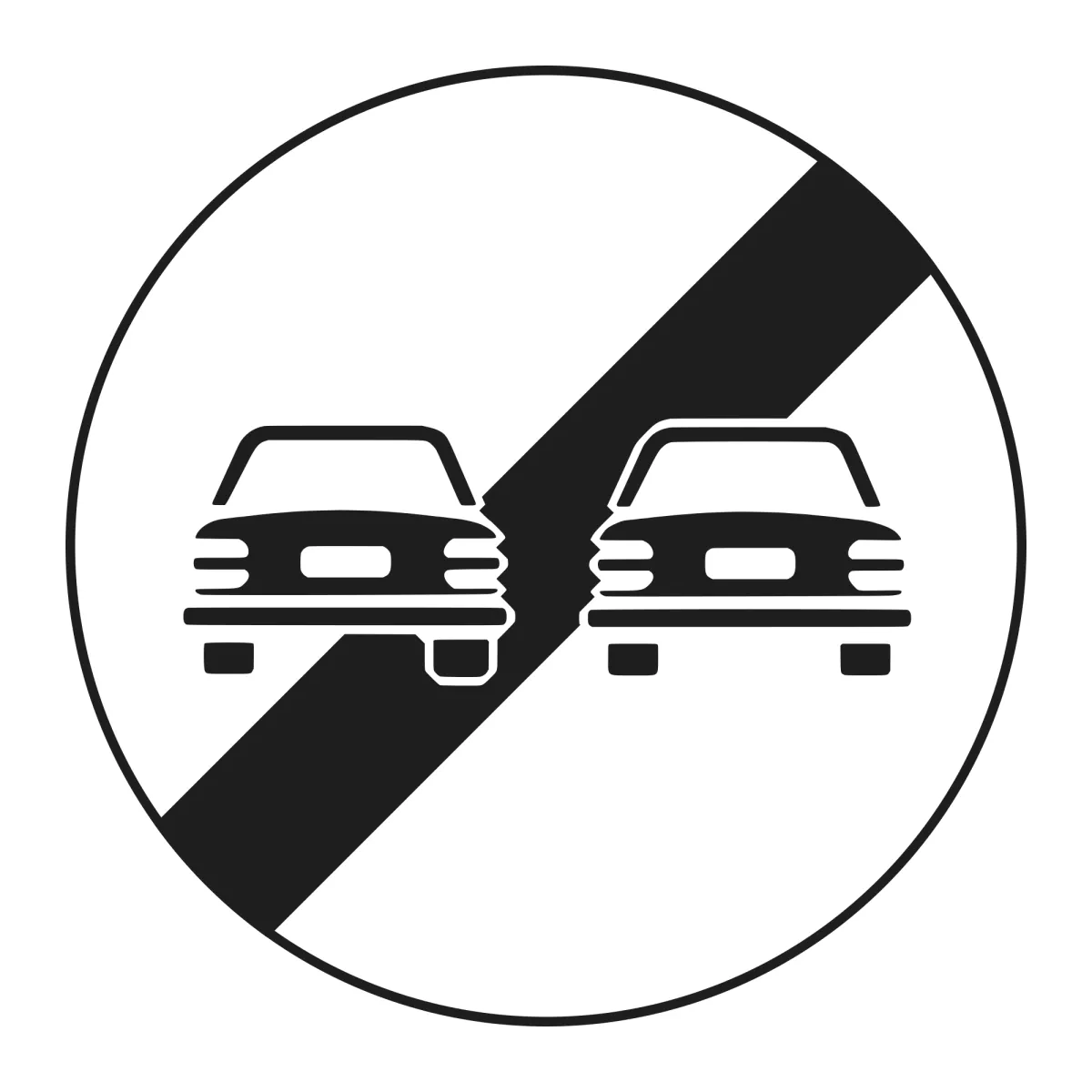

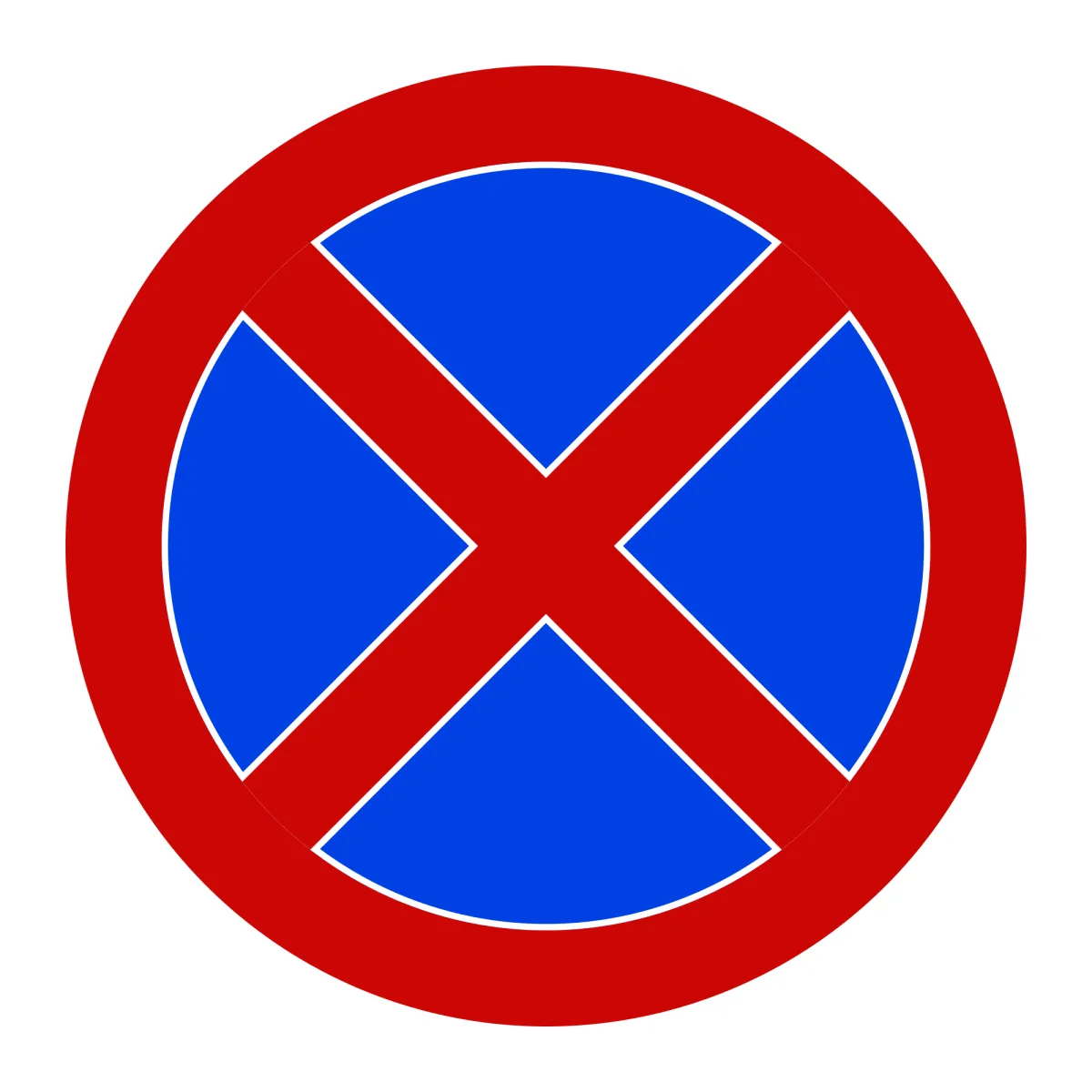
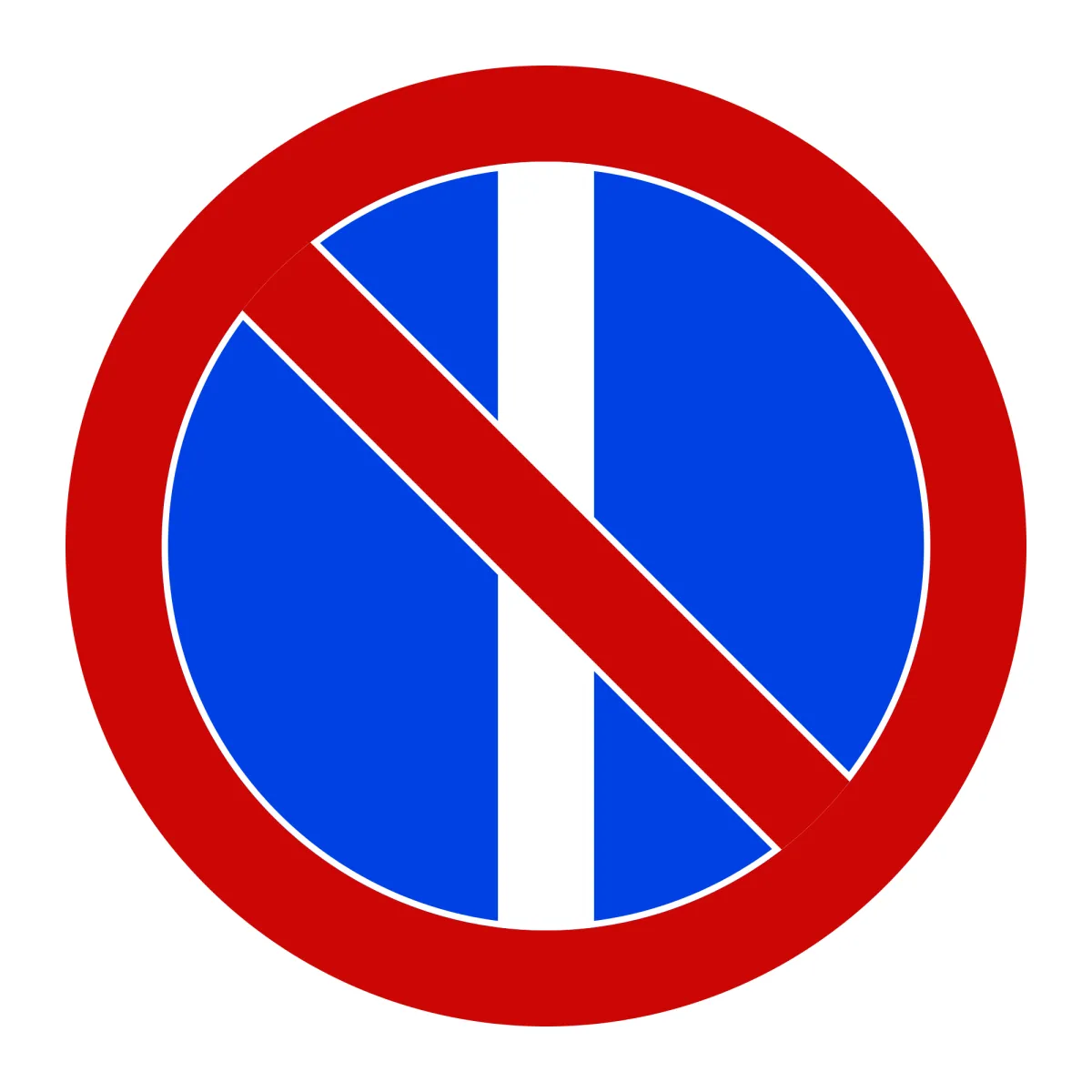

Prohibition or restriction signs
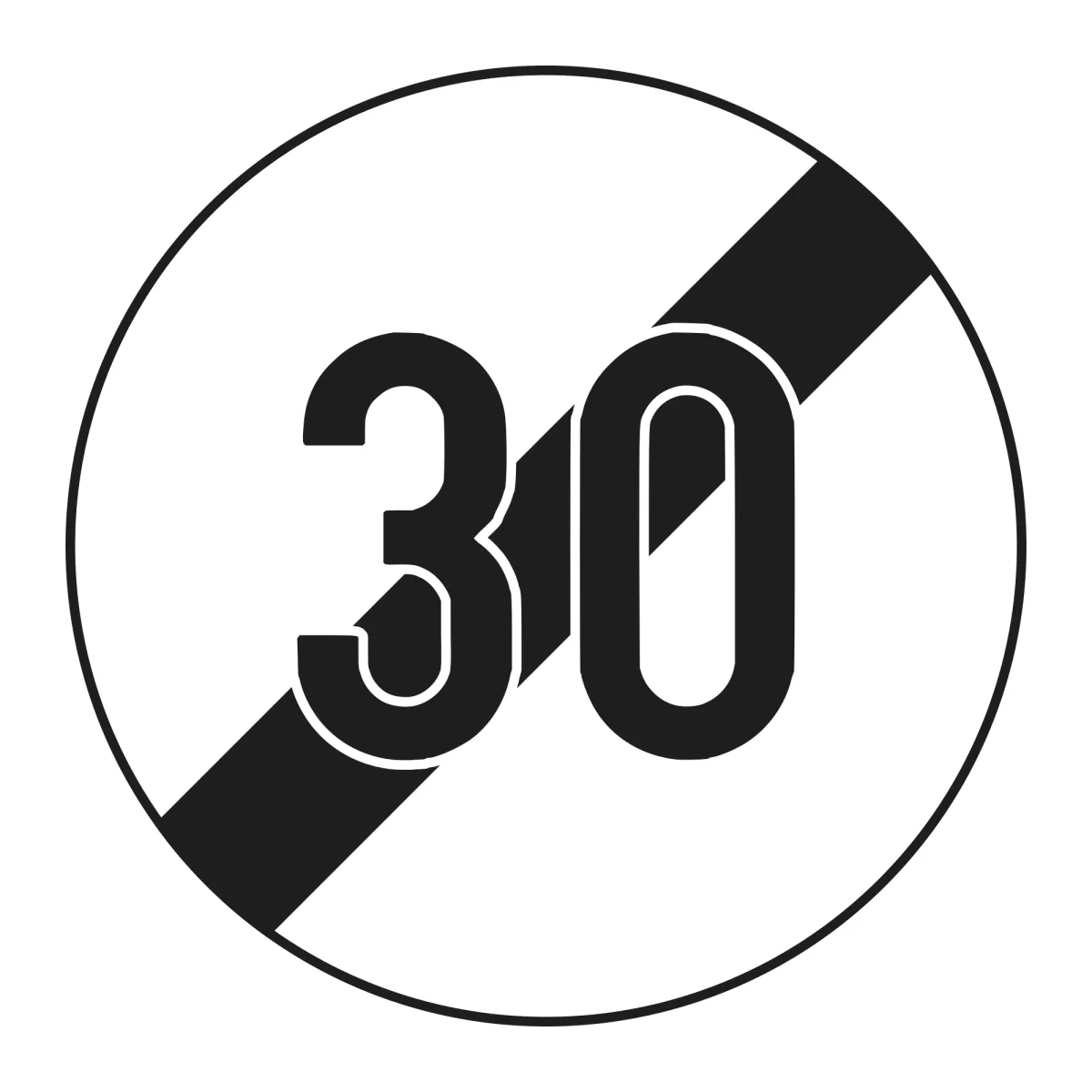
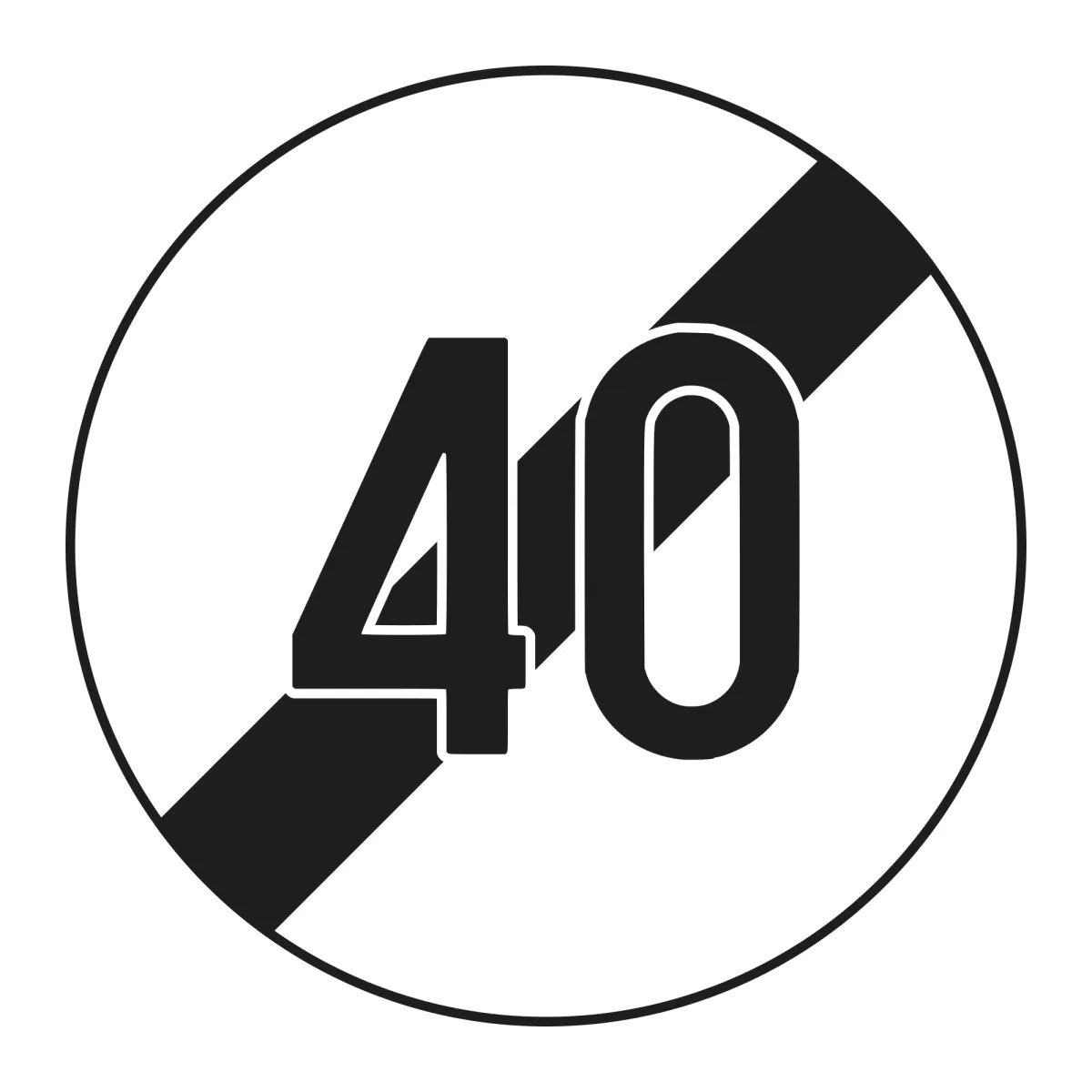
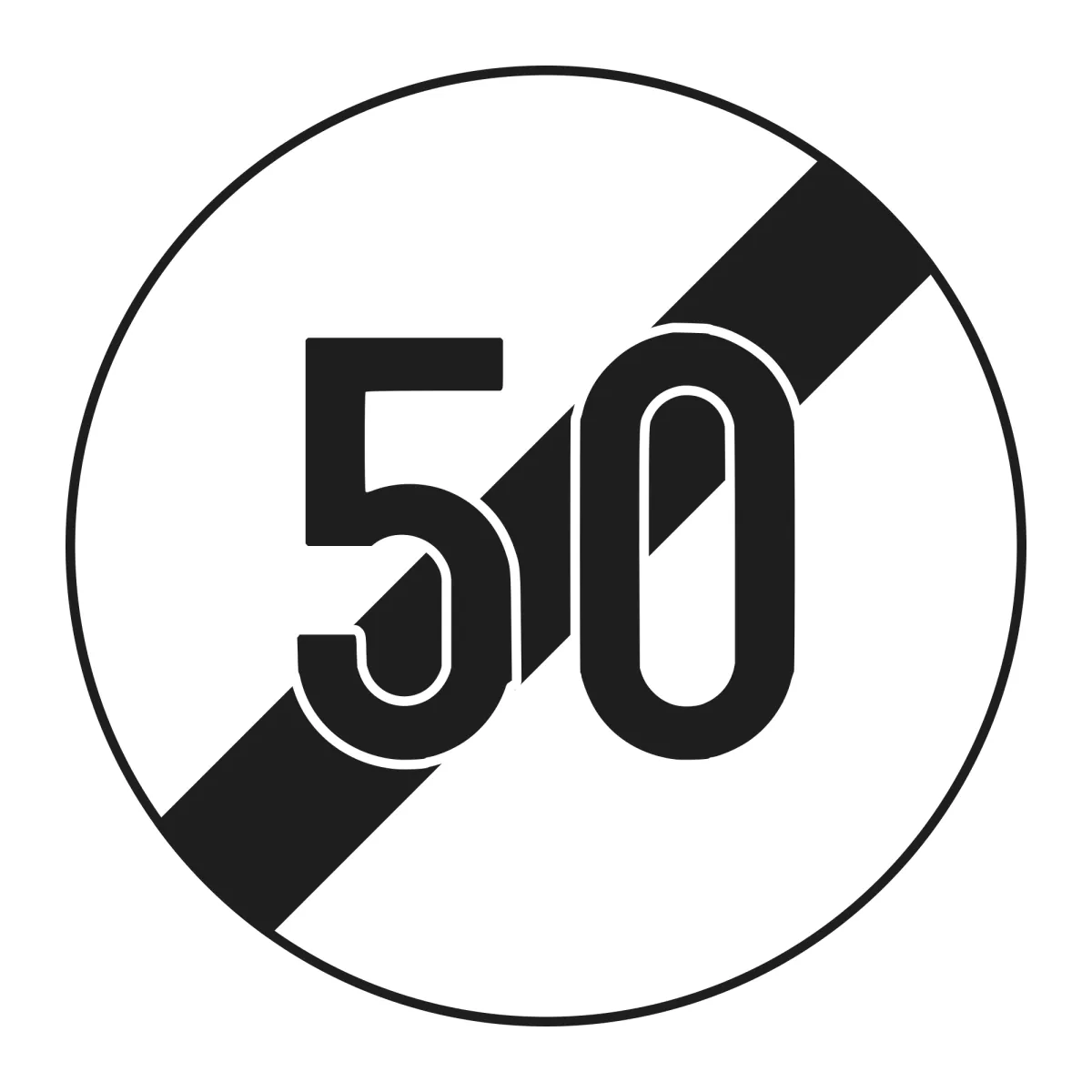
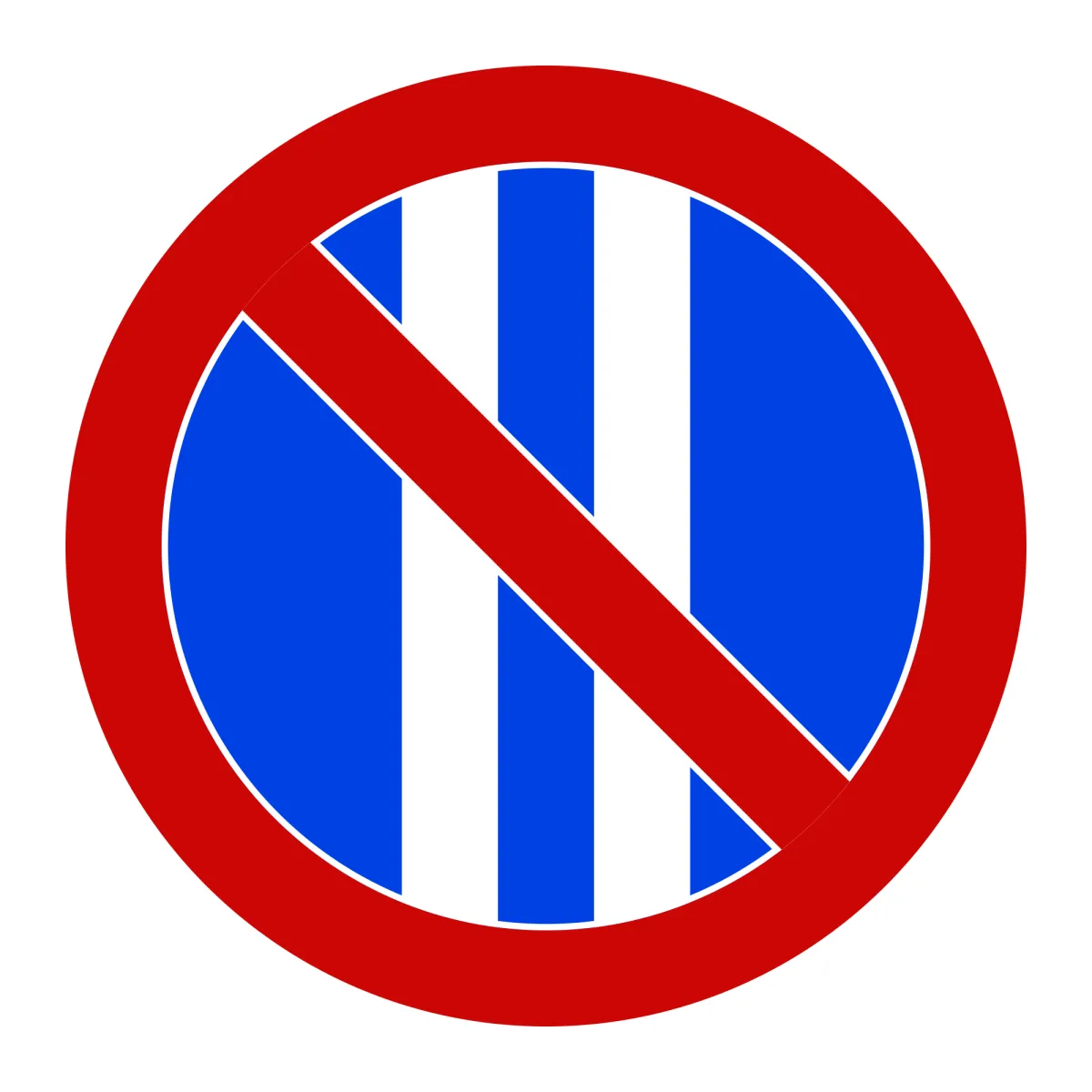
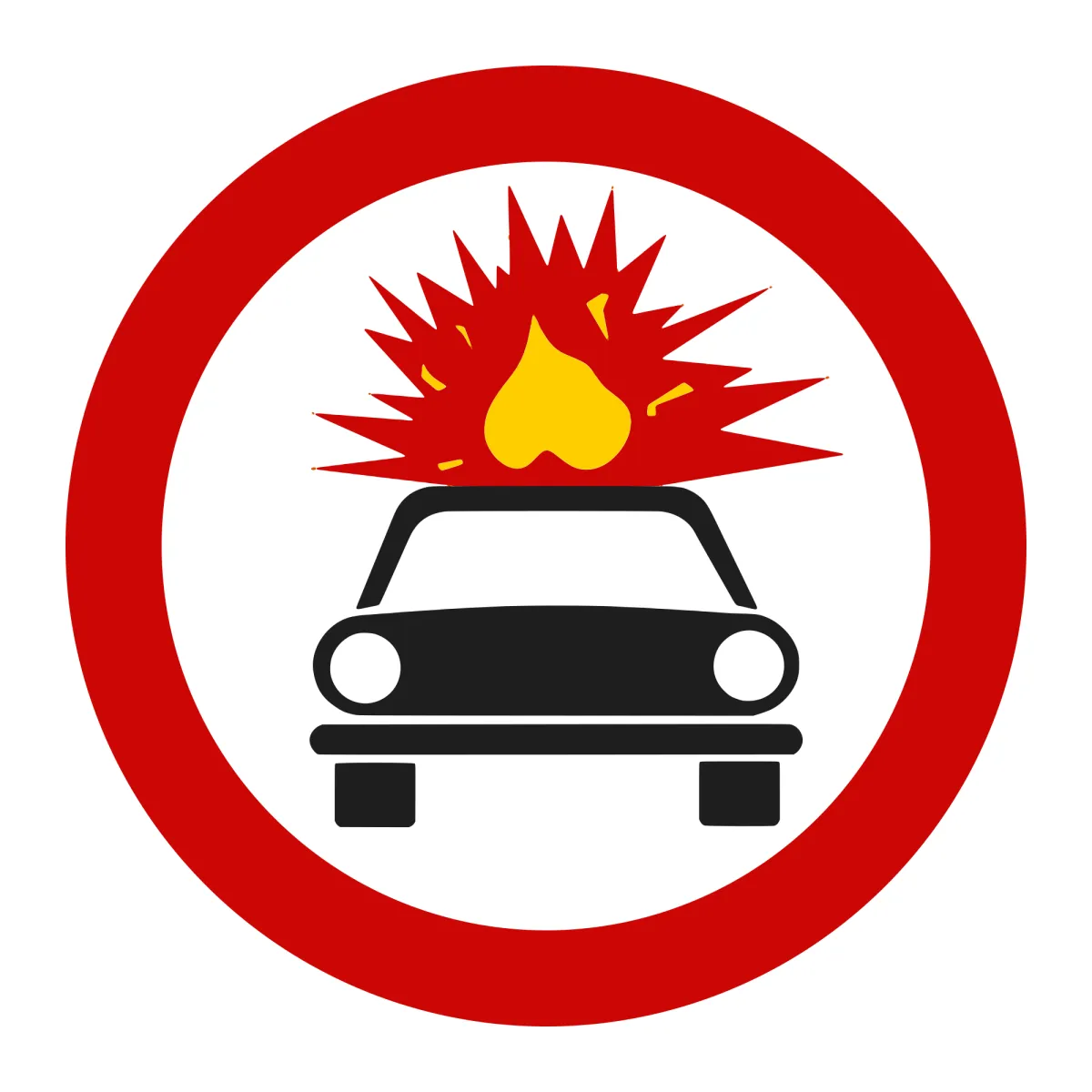
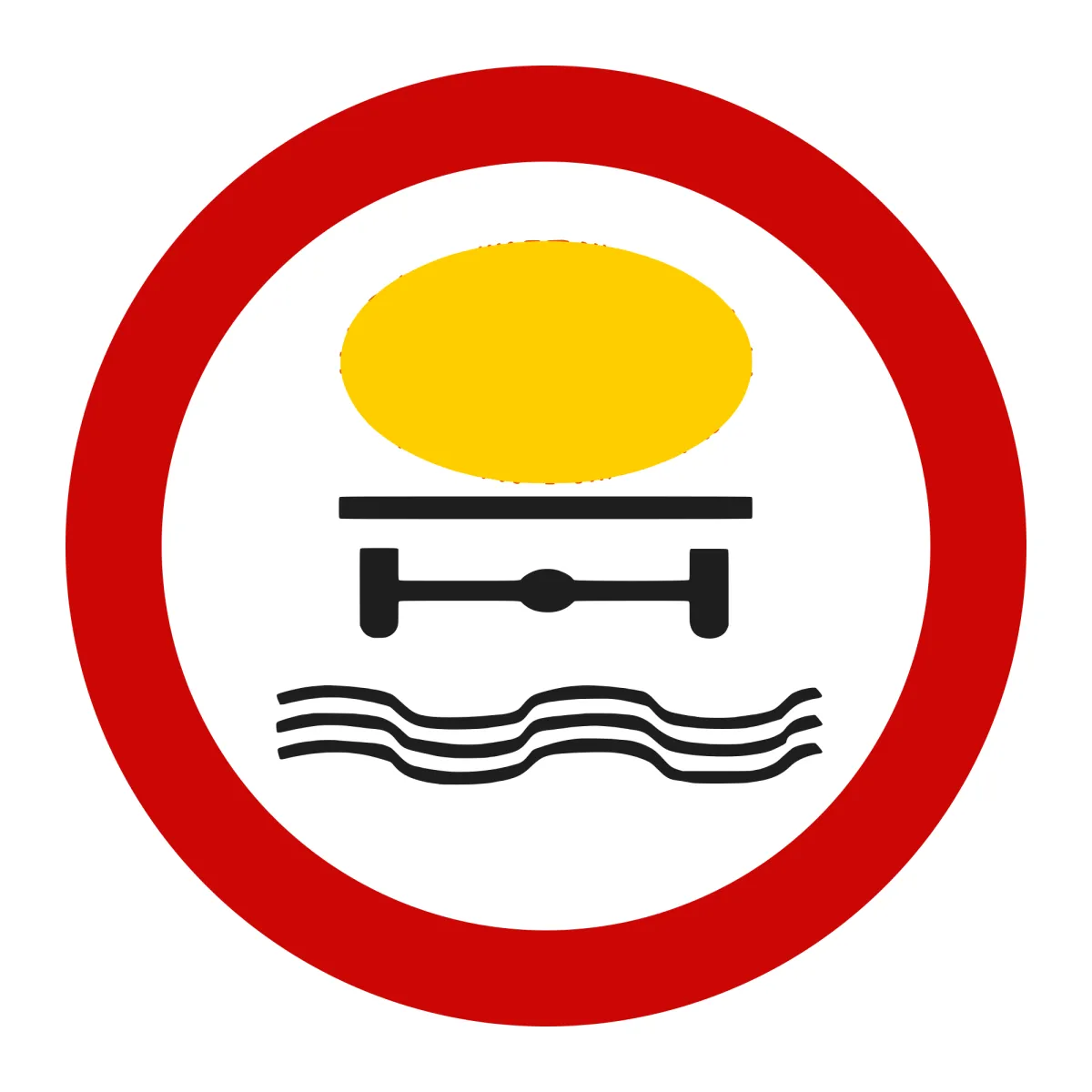
The signs in group C of SR 1848-1:2024 say what is not allowed on a road: who may not enter, what speed may not be exceeded, where stopping or parking is banned and what width, height, length or mass may not be exceeded. Here you will find the signs from the C1 (no entry) to the C44, with the values most often needed: speed limits from 5 to 70 km/h, heights from 1.9 to 5.3 m and masses from 1.5 to 25 t.
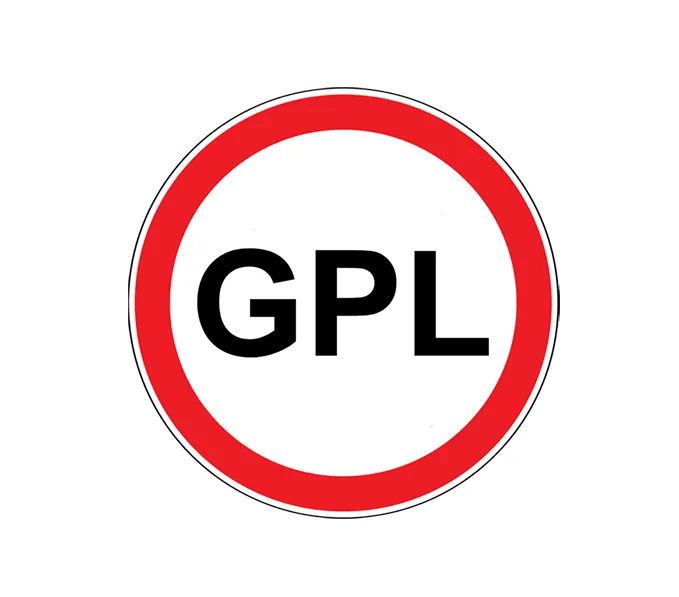
Most are white discs with a red border and a black symbol. The C1 is the red disc with the white bar, the stopping and parking signs from the C36 to the C39 have a blue background, and the signs that end a restriction, the C33 to the C35, are white discs crossed by a black band. The category also holds the sign for LPG vehicles, which is not part of the standard and is used at the entrance to underground car parks and private premises.
How they are made
They are made of 1 mm galvanised steel sheet with pressed edges and no sharp edges, electrostatically painted with UV-resistant paint. The face has class I retroreflective sheeting with a 7-year service life. The Ø60 cm disc weighs 3 kg and comes with 2 clamps for Ø48 mm posts and 4 bolts with nuts; clamps for Ø60 mm posts are available on request. The signs are CE marked and comply with SR EN 12899-1:2007, SR 1848-1:2024, SR 1848-2:2011 and SR 1848-3:2011.
Which size to choose
SR 1848-2 sets four formats for round signs: small (Ø40 cm), normal (Ø60 cm), large (Ø80 cm) and very large (Ø100 cm). The normal format is for county and local roads, streets and private roads open to public traffic. National roads call for large signs and motorways for very large ones; a smaller format than the road requires is not allowed. No entry also comes in the small Ø40 cm format, for low-traffic minor roads and private premises. Several signs have a Ø80 cm version with class II sheeting, in the Metal Road Signs (Class II) category.
Where they go
As a general rule, a prohibition sign goes right after the junction before the restricted section, so the drivers concerned can take another route without turning back, and it is repeated after every junction on the section. If the restriction starts further on, the P4 additional panel shows the distance, and exemptions for residents or certain vehicles go on the P34 and P18 panels. Restrictions end with the C34 for speed, the C35 for overtaking or the C33 for all of them. The bottom edge of the sign sits 1.50–2.50 m above the road, 0.50–2.0 m from the road platform. Each product page gives the placement rules for that sign.
Posts and public procurement
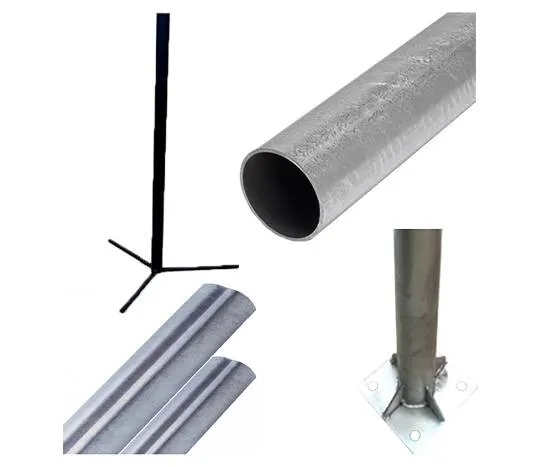
Posts for mounting are in the Road Sign Posts category. Public institutions can also buy the signs through SEAP / SICAP.
? Frequently asked questions
Where does a prohibition sign go?
Right after the junction before the restricted section, so the drivers concerned can go round without turning back, and again after every junction on the section. If the restriction starts further on, the P4 panel with the distance goes under the sign.
Which size do I need?
The Ø60 cm disc, the normal format, is for county and local roads, streets and private roads open to public traffic. National roads call for Ø80 cm and motorways for Ø100 cm. The small Ø40 cm format is for low-traffic minor roads.
How does a restriction end?
What value goes on the maximum height sign?
The C17 shows a value 10 cm below the actual clearance height, rounded down to the nearest 5 cm. For the C16 width sign, the standard recommends a value 0.80 m below the clear width, rounded up to 0.10 m.
What is the difference between no parking and no stopping?
Are the mounting clamps included?
Yes. Every Ø60 cm sign comes with 2 clamps for Ø48 mm posts and 4 bolts with nuts; clamps for Ø60 mm posts are available on request. Posts are sold separately.
What does class I sheeting mean?
It is the basic retroreflective sheeting in SR 1848-2, with a guaranteed 7-year service life. In areas with many light sources, such as streets with public lighting, shop windows and advertising, the standard requires prismatic class 2 or 3 sheeting.
In road safety since 1998
Atto Trafic supplies complete road signage and safety equipment — signs, traffic signs, markings, parking barriers, speed bumps, mirrors, bollards and accessories.
- Durable products, compliant with STAS and SR EN
- ISO 9001 / 14001 / 45001 / 27001 / 20671 certified
- Constant stock, delivery within 24-48 hours
- Support for municipalities, contractors, private car parks