
Warning Signs
Class II warning signs
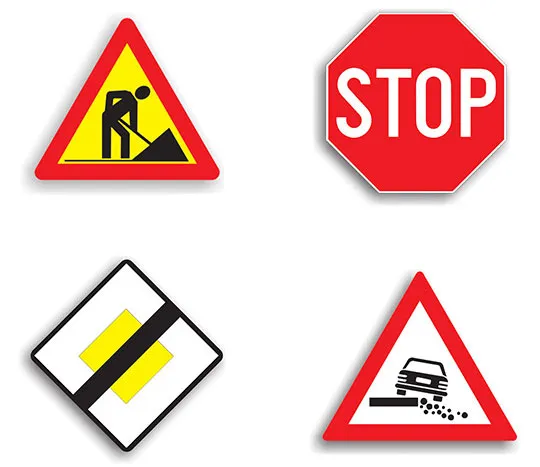
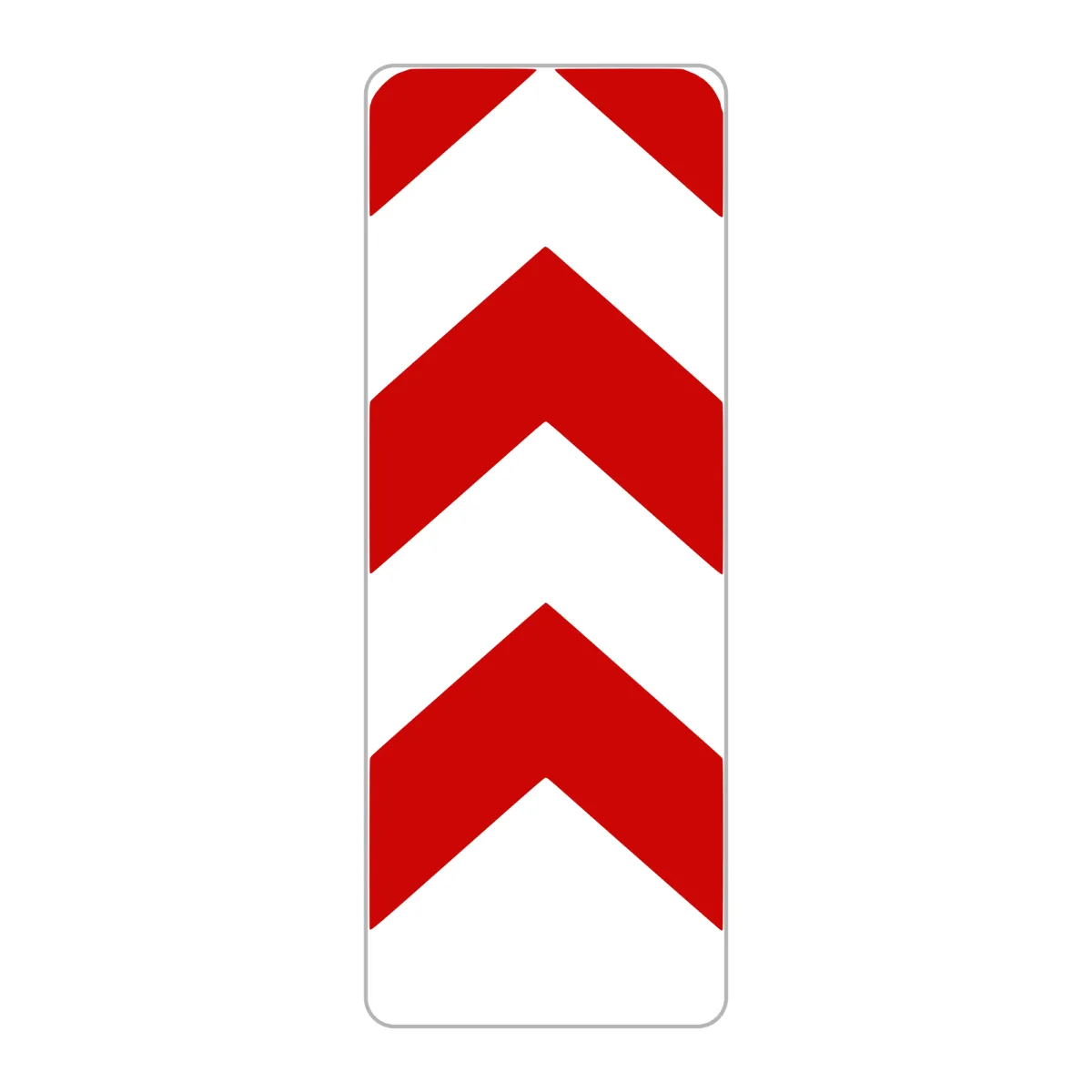
This category holds the warning signs of the Class II range: the same signs as the Class I warning signs, but with a higher class of retroreflective sheeting and in a larger format. The triangles measure 90 cm per side instead of 70 cm on the Class I version, and the two chevron boards are 100 cm tall.
What is in the category
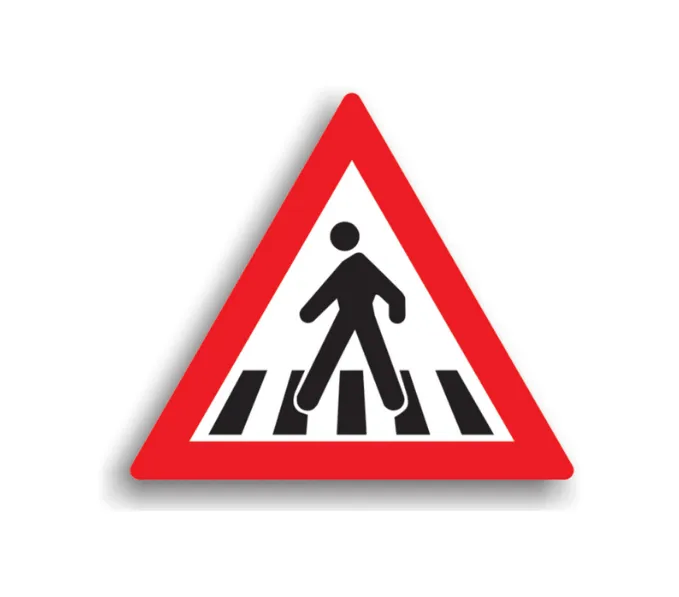
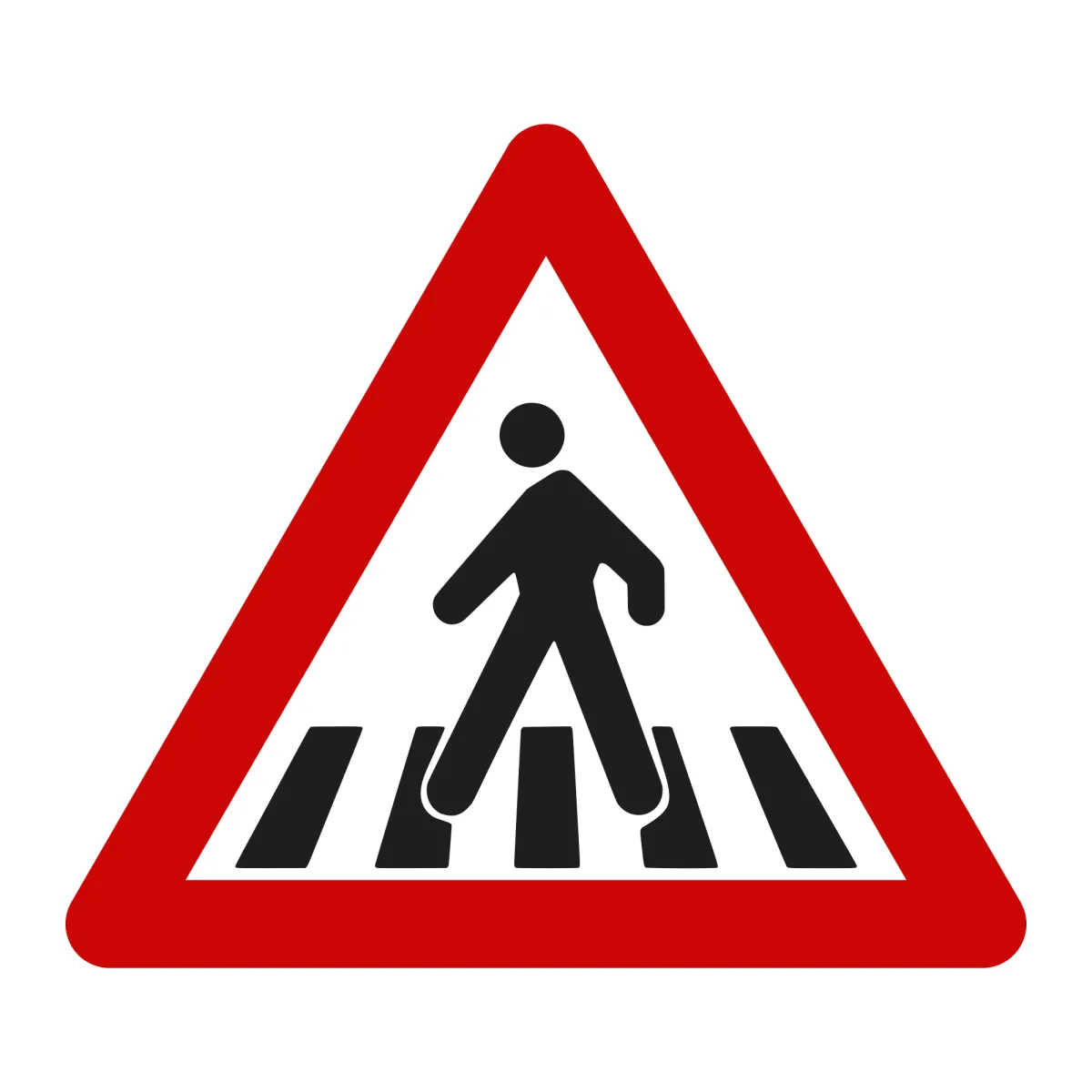
- A22 – pedestrian crossing ahead, 90 cm triangle;
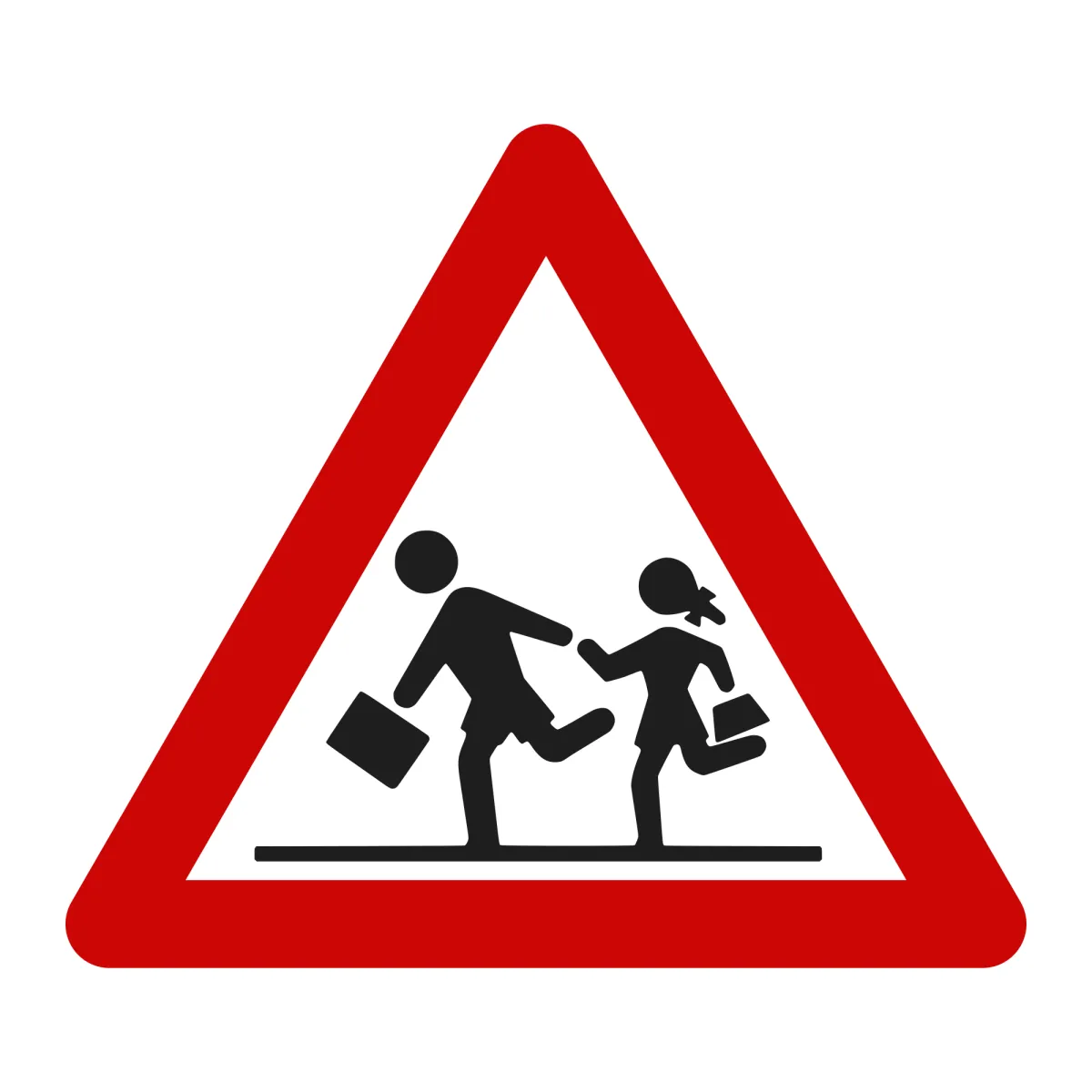
- A23 – children, 90 cm triangle;
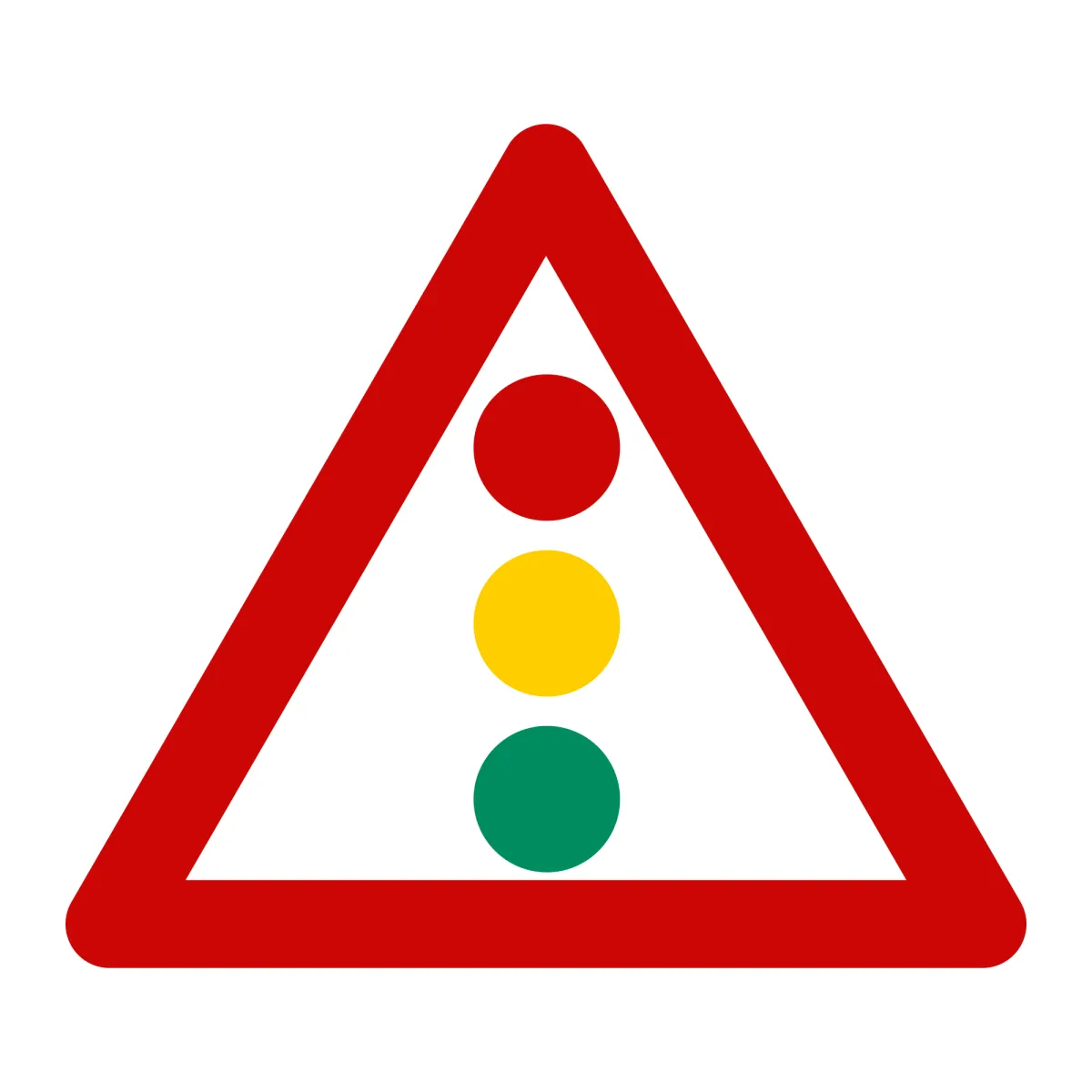
- A27 – traffic lights ahead, 90 cm triangle;
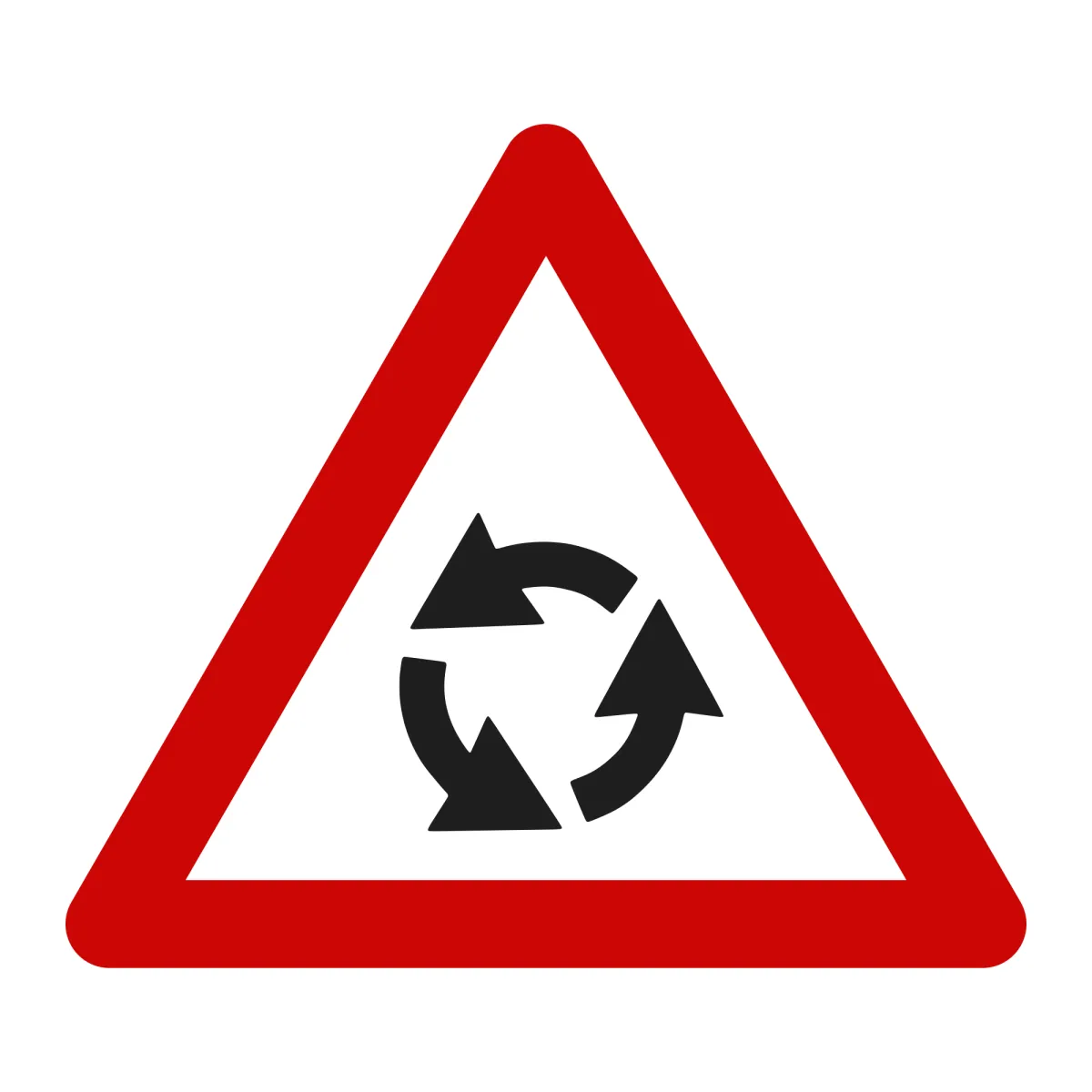
- A38 – roundabout ahead, 90 cm triangle;
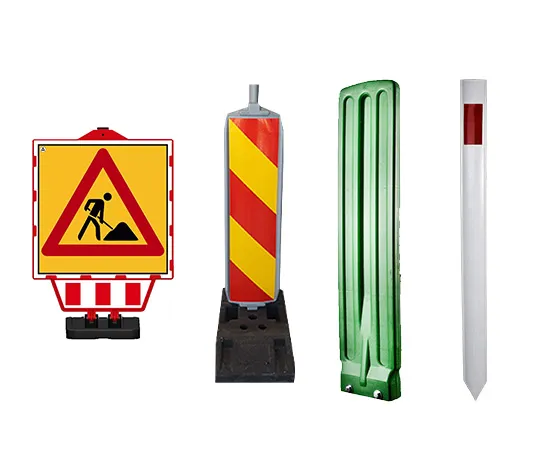
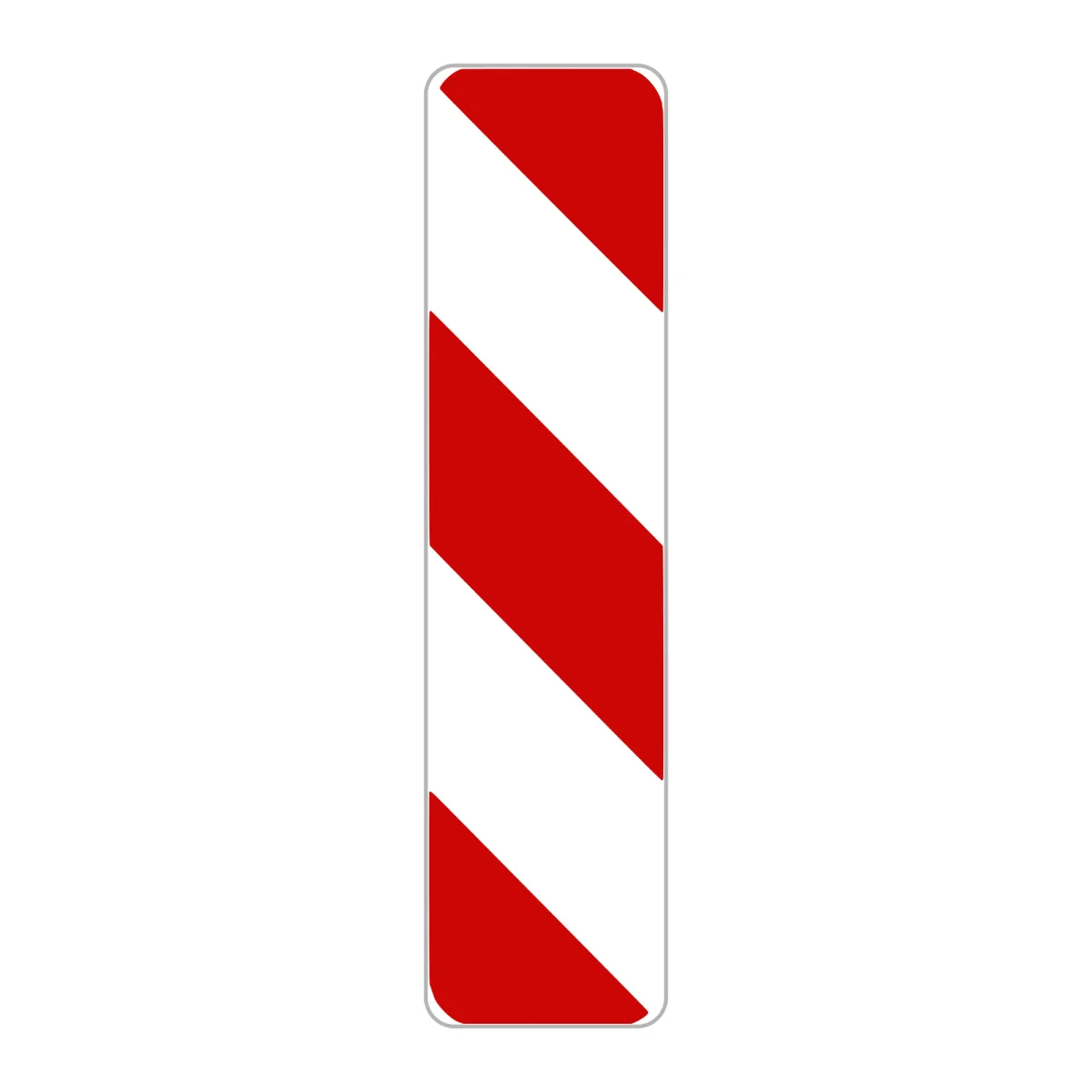
- A45 – directional board for passing an obstacle on the right, 25x100 cm;
- A46 – two-way chevron board, 37.5x100 cm.
Why Class II
The difference shows at night. Class II (RA2) sheeting returns roughly three to four times more headlight to the driver than Class I sheeting, and the gap grows when the sign is seen at an angle: mounted at the side, far from the centre of the road, on a bend or at a junction approached obliquely. On a road driven at 90 km/h every extra metre of legibility is reaction time gained, and a warning seen too late no longer helps. The full comparison, with the retroreflection values from the standard, is in our guide Class I or Class II: which sheeting to choose and when.
Mounting
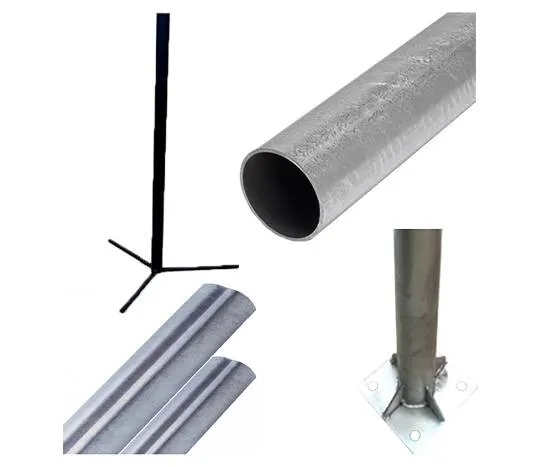
A 90 cm triangle fits the standard Ø48 mm post, ATT 48x2_3, 300 cm long, with the ATT 48c clamp. If you add an additional panel underneath or mount it somewhere exposed to wind, choose the Ø60 mm post ATT 60x2_3.5, 350 cm long, with the ATT 60c clamp. The other posts are in the road sign posts category.
? Frequently asked questions
What are warning signs?
Warning signs are road signs that provide essential information about traffic conditions, potential hazards, and traffic rules. They help prevent accidents and improve road safety.
How to choose the right warning signs?
Choosing the right warning signs depends on the specifics of the area where they will be placed. It is important to consider the type of traffic, visibility, and weather conditions. Additionally, local regulations and current standards must be followed.
What are the standards for warning signs?
Warning signs must comply with national standards, such as STAS SR 1848, which regulate the dimensions, colors, and symbols used. These standards ensure that the signs are visible and easily understood by all road users.
What materials are used for warning signs?
Warning signs are made from weather-resistant materials, such as aluminum or high-quality plastic. They are treated to withstand UV rays and extreme weather conditions, ensuring durability and long-term visibility.
Where can I place warning signs?
Warning signs should be placed in strategic locations, such as intersections, pedestrian crossings, and areas with a high risk of accidents. It is essential that they are visible from all directions and not obstructed by other objects or vegetation.
In road safety since 1998
Atto Trafic supplies complete road signage and safety equipment — signs, traffic signs, markings, parking barriers, speed bumps, mirrors, bollards and accessories.
- Durable products, compliant with STAS and SR EN
- ISO 9001 / 14001 / 27001 / 20671 certified
- Constant stock, delivery within 24-48 hours
- Support for municipalities, contractors, private car parks