



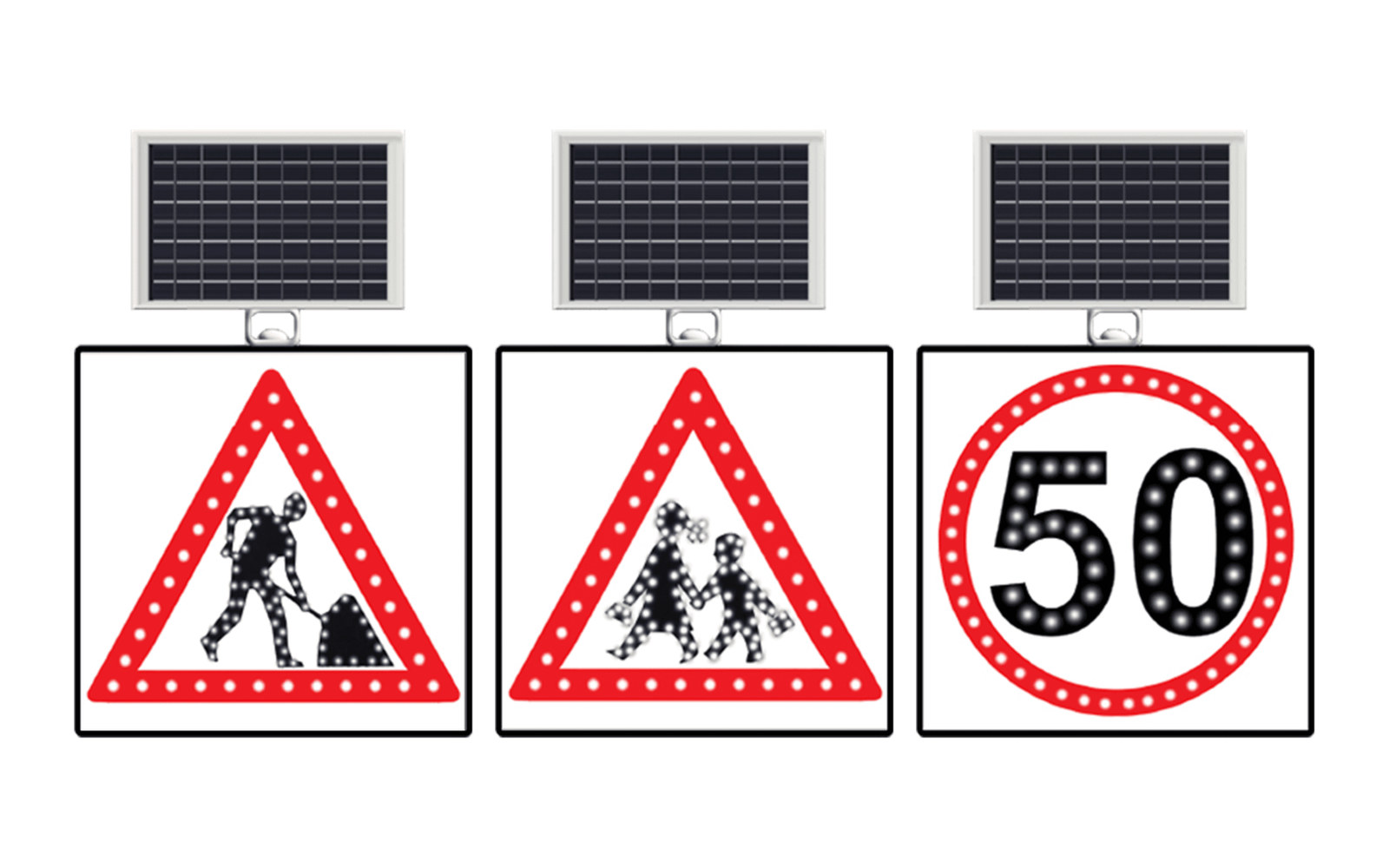
An ordinary road sign is only visible at night once the headlights hit it. A solar LED road sign is visible before that: the LEDs around the edge of the sign flash and catch the driver's eye from a distance, and the power comes from a solar panel mounted on the same post. It needs no cable, no grid connection and no electricity bill. This guide explains how it works, where it is worth installing, which models are available and how to fit it correctly.
How a solar road sign works
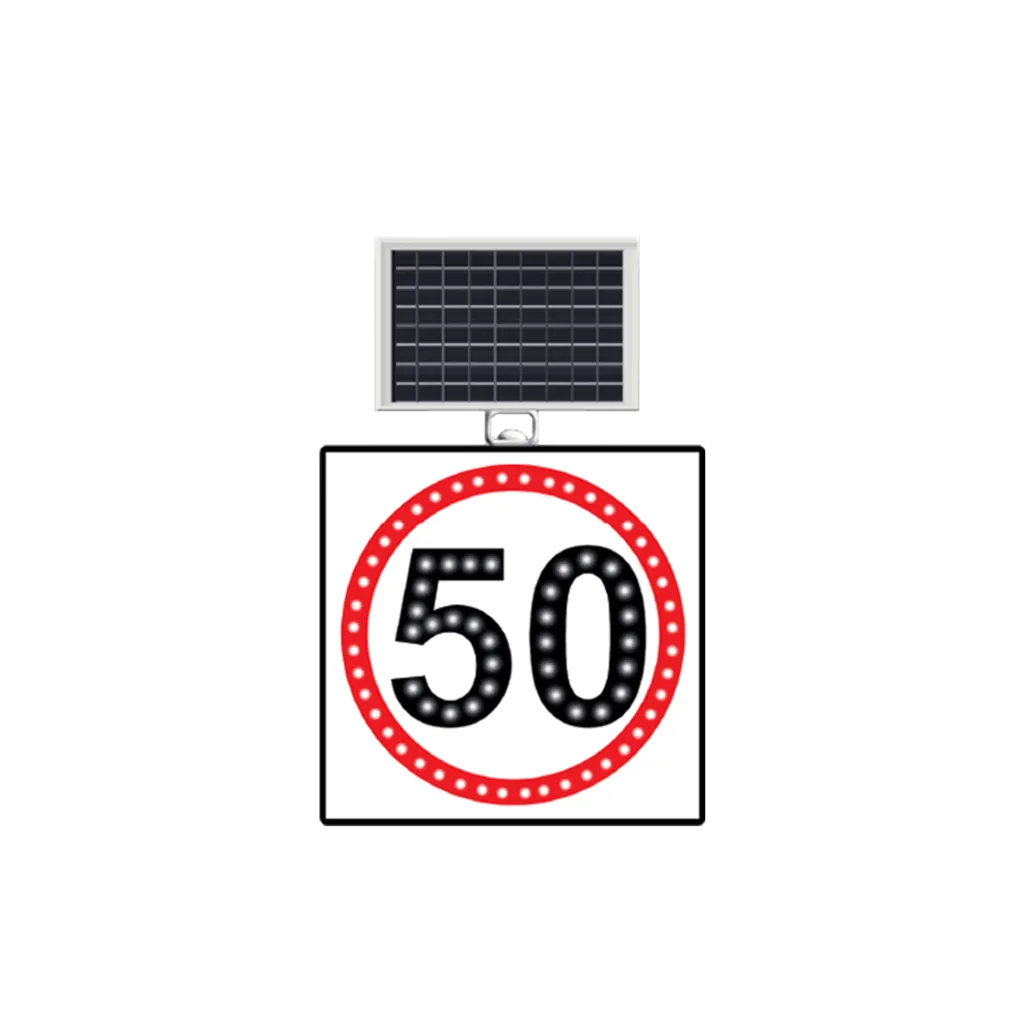
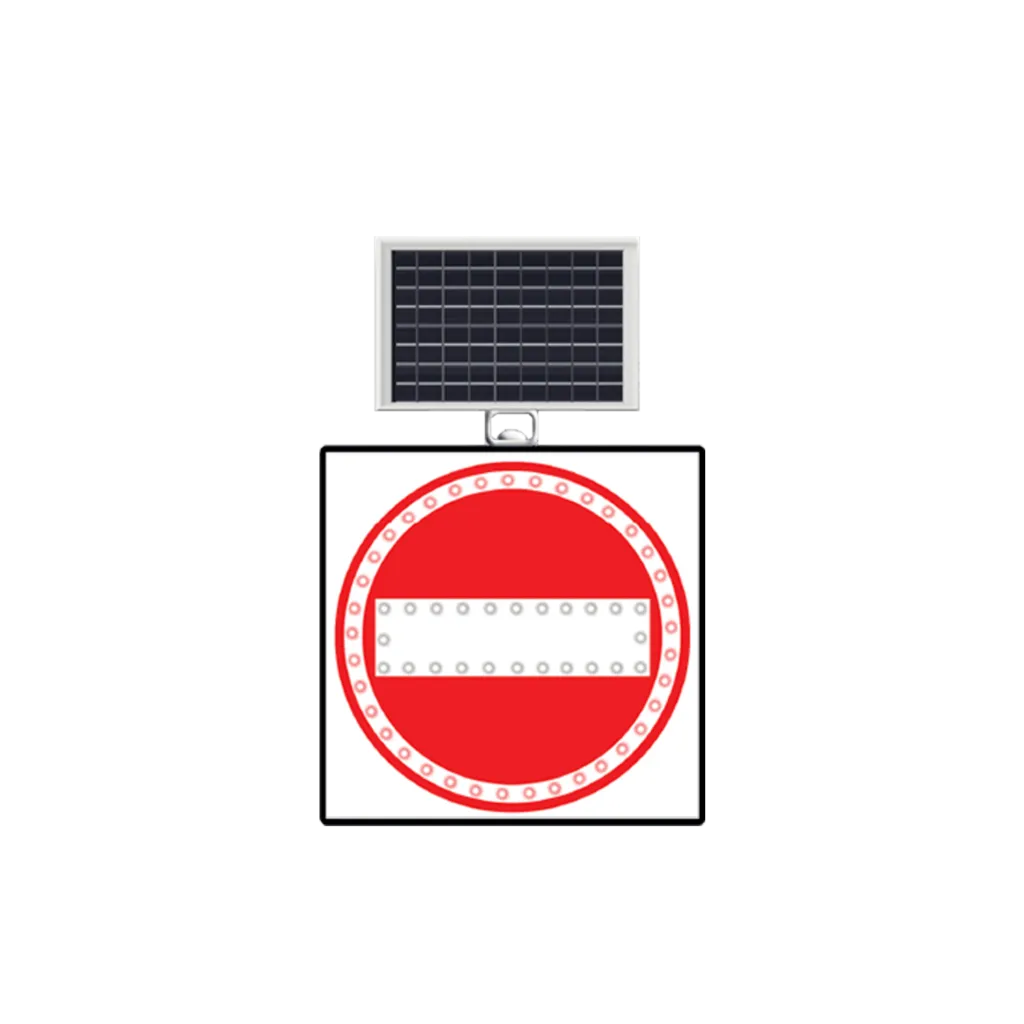
The system has four parts that work together. The sign face is the standard road sign, with the symbol drivers recognise. LEDs fitted around the edge flash. A solar panel charges a battery during the day, and the battery powers the LEDs at night and in dull weather.
On the models in our range, the face is 60x60 cm, made of 1 mm cold-rolled steel sheet with an electrostatic paint finish, 4 cm thick overall. The LEDs are Ø10 mm. The solar panel is polycrystalline, 32 x 24 cm, rated at 10 W and 18 V, and it charges a 12 V, 7 Ah battery.
The difference from a standard sign is not the sign itself but the active light. Retroreflective sheeting only returns the headlight beam that reaches it. LEDs give off their own light, so the sign can be seen from angles where the sheeting no longer works, and from the moment before the headlights reach it.
Where a solar sign makes sense
A solar sign costs several times more than a standard sign of the same size. It is worth it where a missed sign has serious consequences and where an ordinary sign does not draw enough attention:
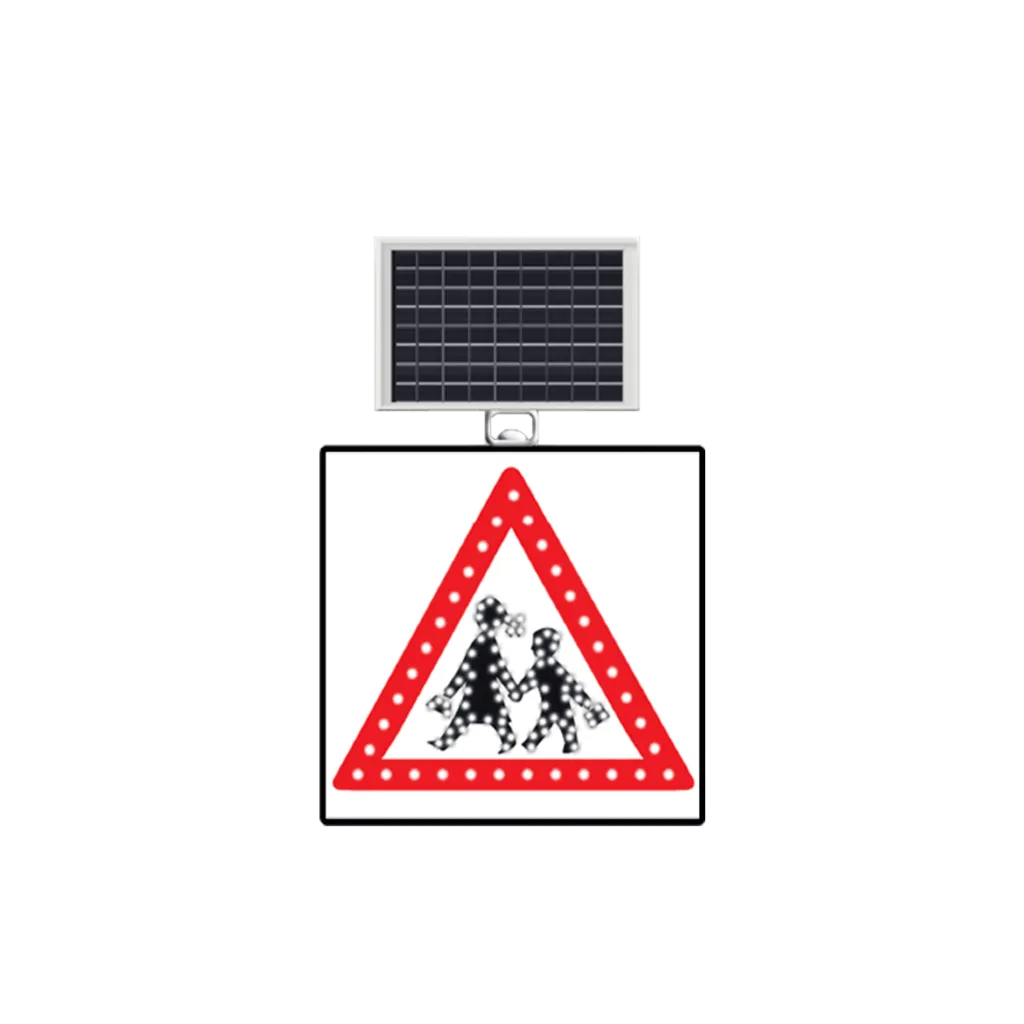
Areas with children. Outside schools and kindergartens, especially on roads without street lighting, where it is still dark early in the morning and in the evening.
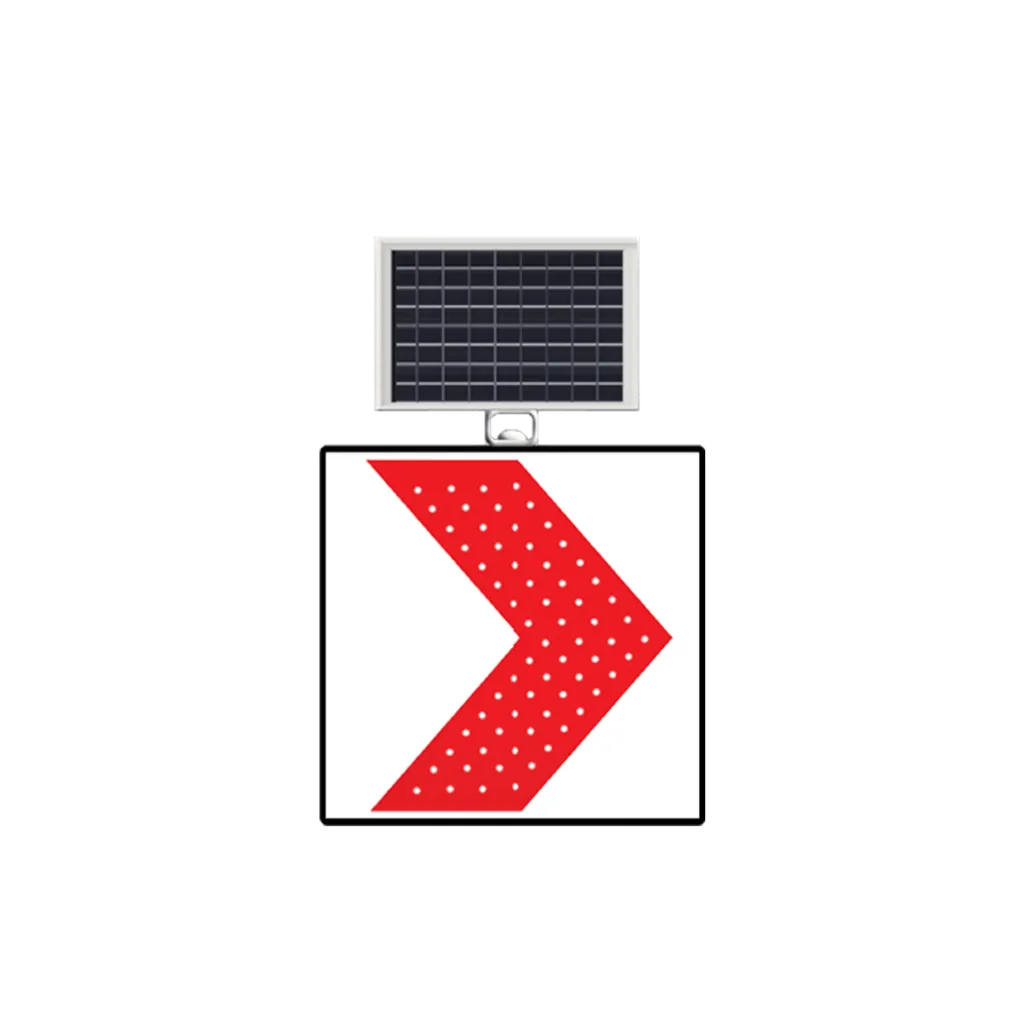
Dangerous bends. LED bend chevron panels show the direction of the bend before the headlights light up the edge of the road.
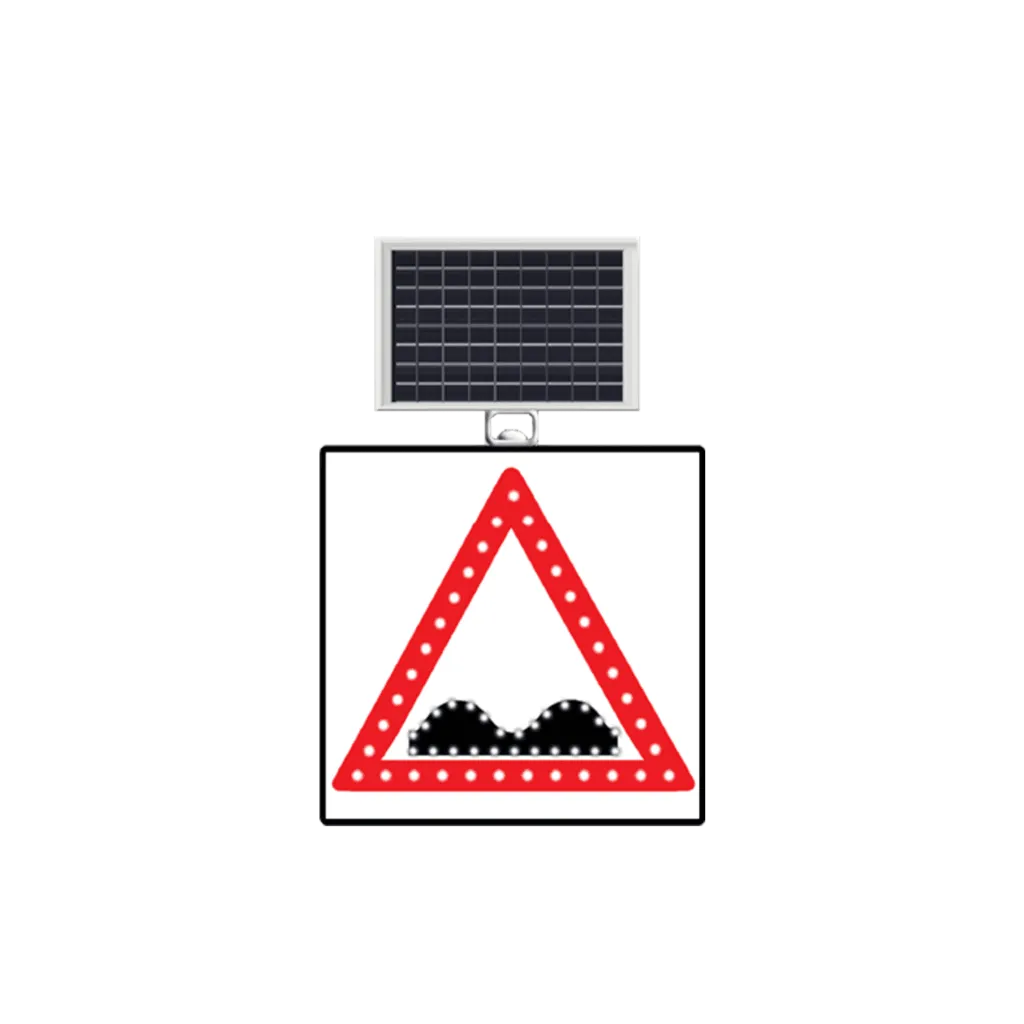
Speed humps and uneven road. Drivers see the warning in time to slow down, not at the last moment.
Speed limits at town entrances. Where drivers arrive fast from an open stretch of road.
No-entry points and roadworks. Where a wrong turn or a missed work zone causes accidents.
Places without mains power. Local and mountain roads or large sites where a cable would cost more than the sign.
On a well-lit, low-speed street, a standard sign with good sheeting usually does the same job at a much lower cost. The difference between sheeting classes is explained in the guide to Class I and Class II road signs.
Solar LED road signs
The models available
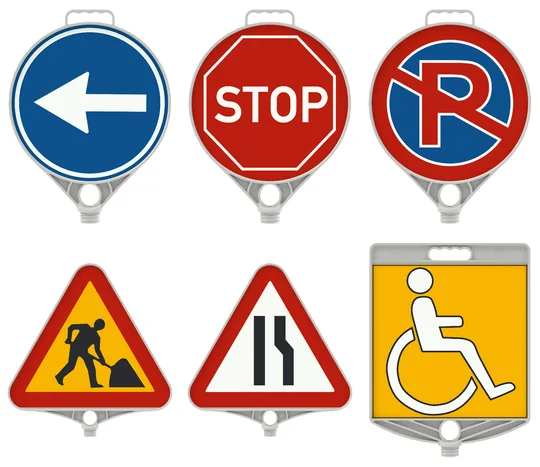
All the models share the same construction, 60x60x4 cm, with a 10 W solar panel and a 12 V / 7 Ah battery. What differs is the symbol:
Children, for areas with schools, kindergartens and playgrounds;
Chevron panels for particularly dangerous bends, to the right, fitted on the outside of the bend;
Uneven road, before speed humps and sections of deformed asphalt;
50 km/h speed limit, at town entrances;
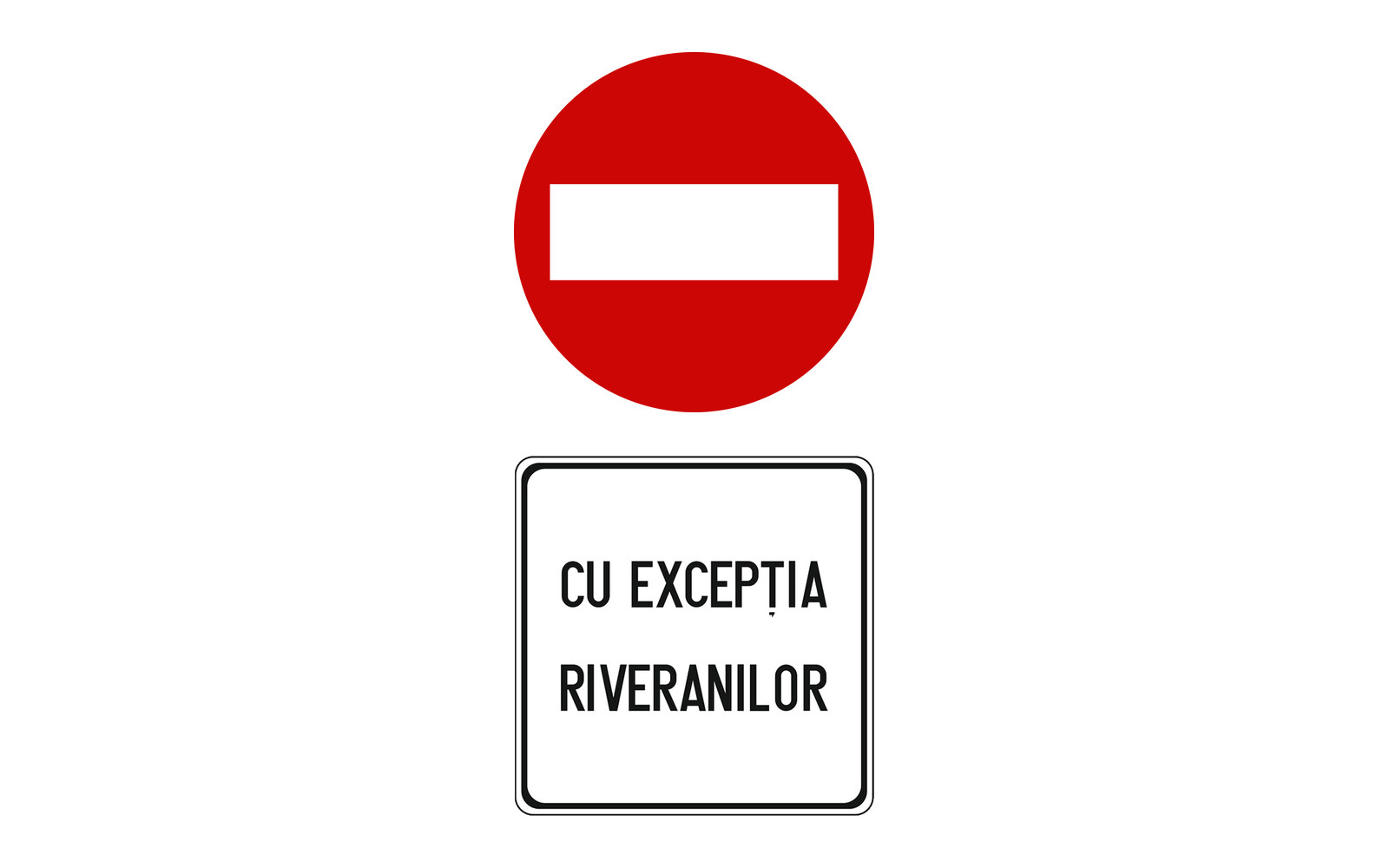
No entry, at one-way entrances and closed accesses;
Installation and maintenance
A solar sign works only as well as its panel gets light. A few rules make the difference:
Face the panel south. In Romania, a panel facing south and tilted gets the most light over the day.
Avoid shade. A tree, a building or another panel that shades the cell for a few hours a day cuts charging a lot, especially in winter when the days are short.
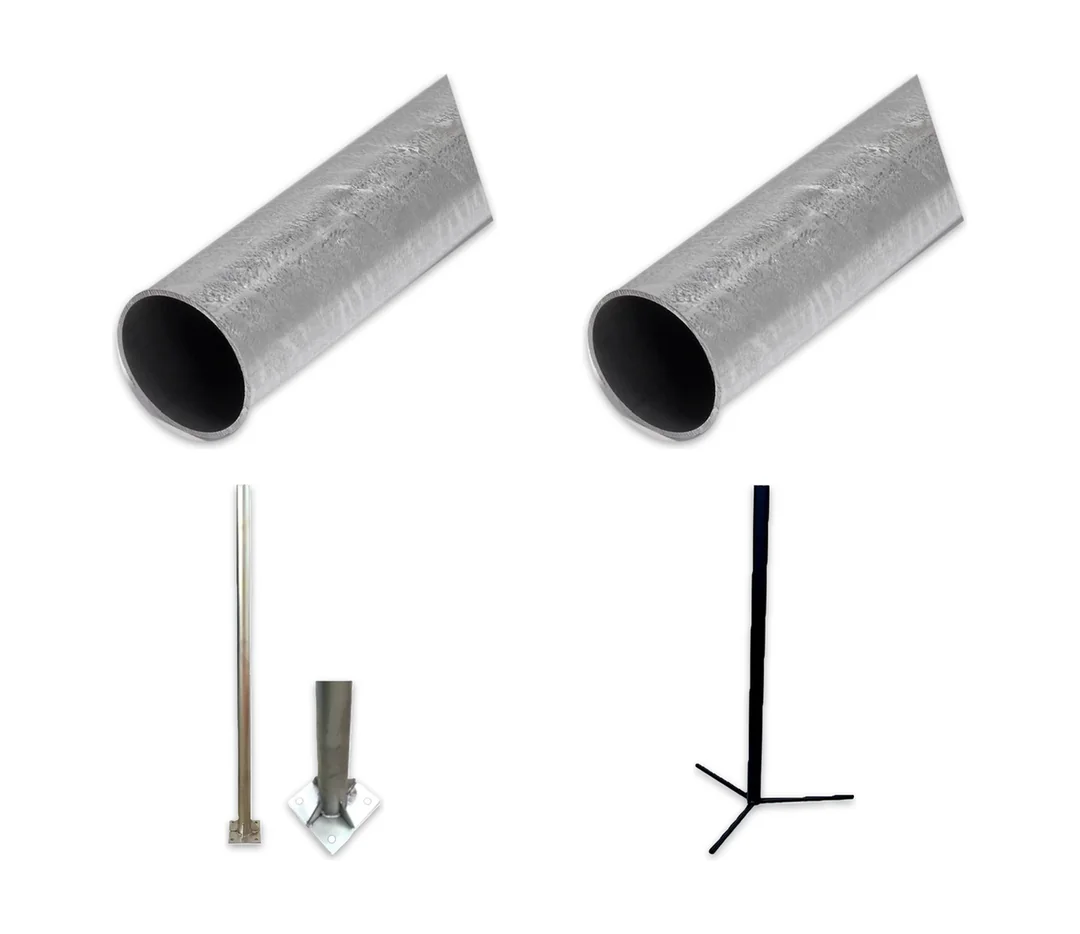
Use a solid post. The sign and the solar panel add weight and surface exposed to the wind. The right diameters and lengths are in the guide to road sign posts.
Clean the panel now and then. Dust, leaves and snow on the cell reduce charging. A wipe every few months and after snowfall is enough.
Check after the first week. Look at night to see whether the LEDs flash properly. If they do not, the most common cause is shade on the panel.
On public roads, signs are placed according to the signage plan approved by the road administrator. A solar sign does not change this: the symbol and the position stay as in the plan, the LEDs simply make them more visible.
Other solar signalling equipment
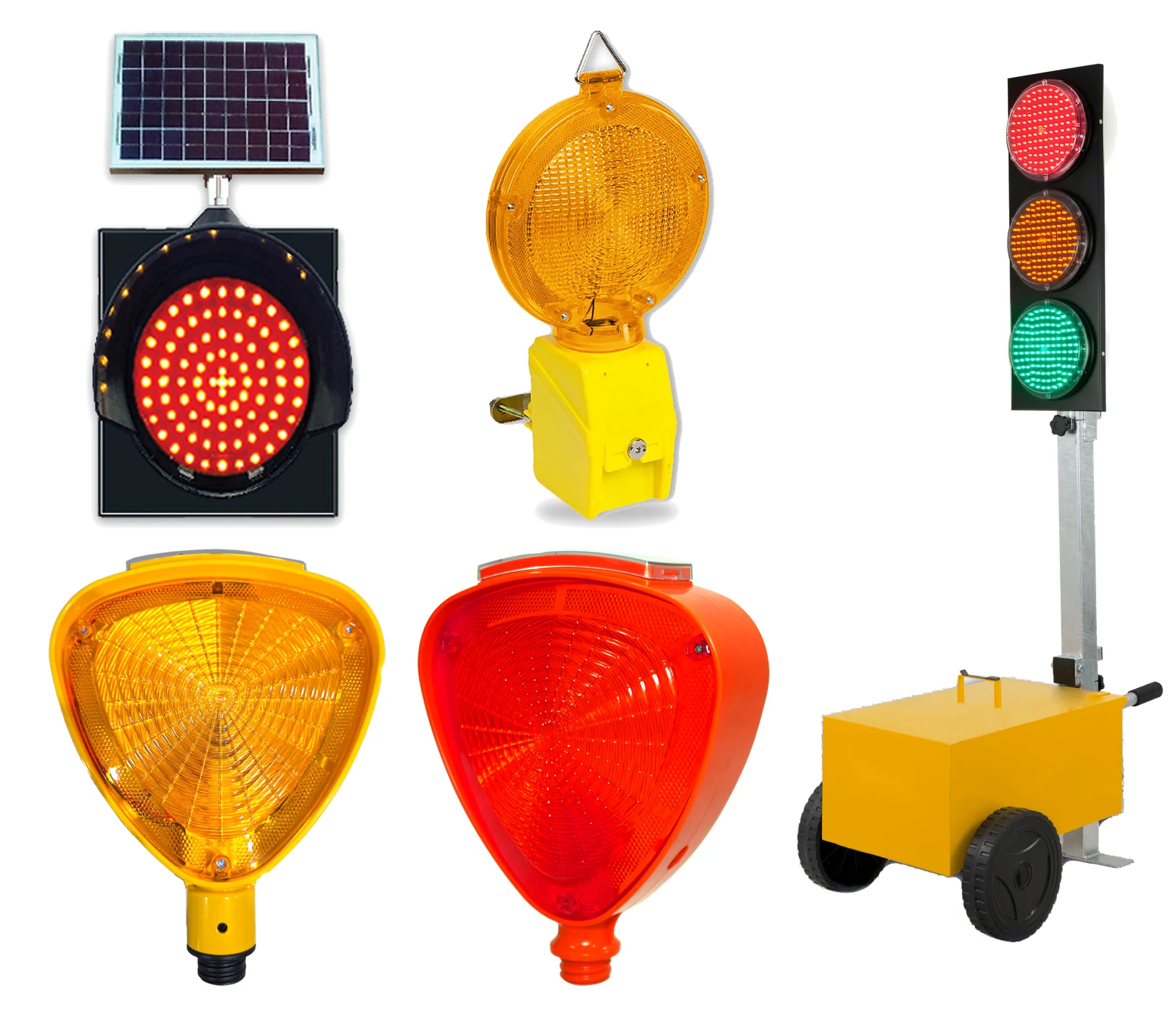
Solar power is not used only for signs. For work zones, marking out areas and car parks, there is smaller equipment that is easy to move:
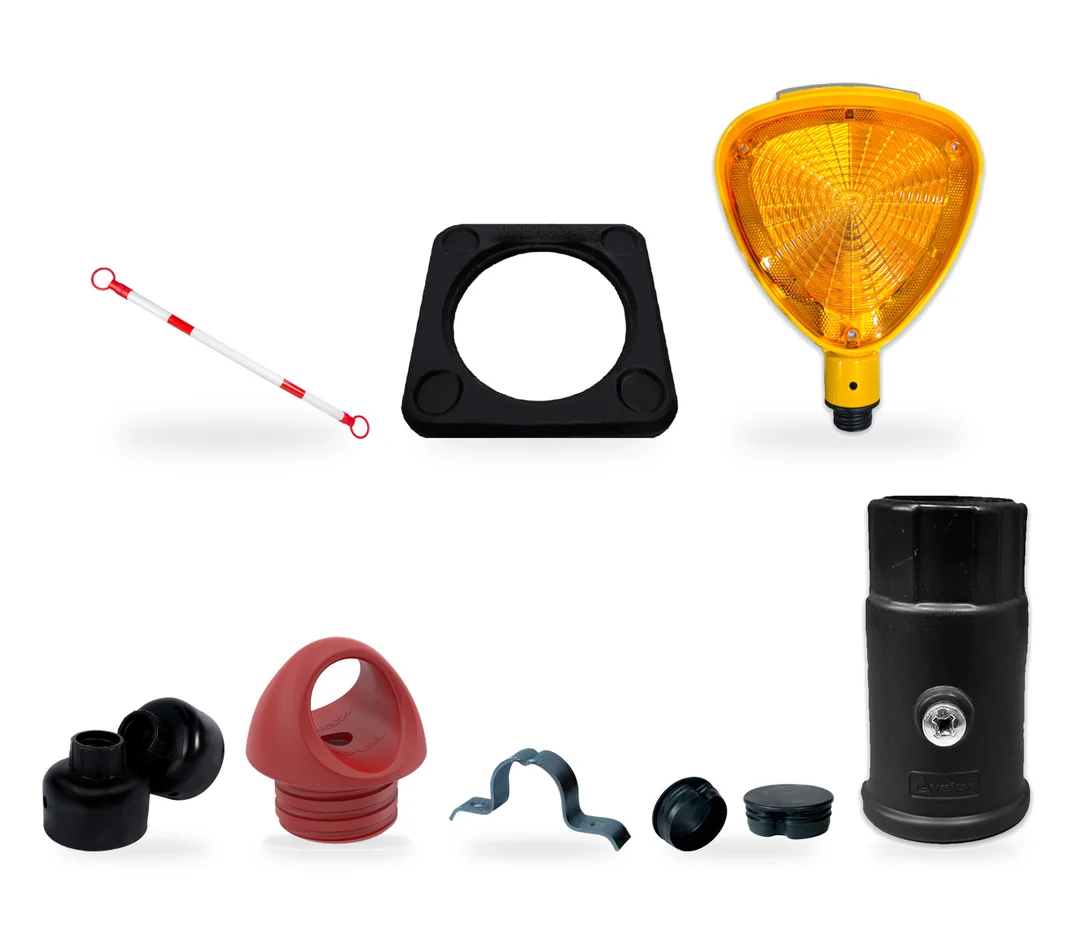
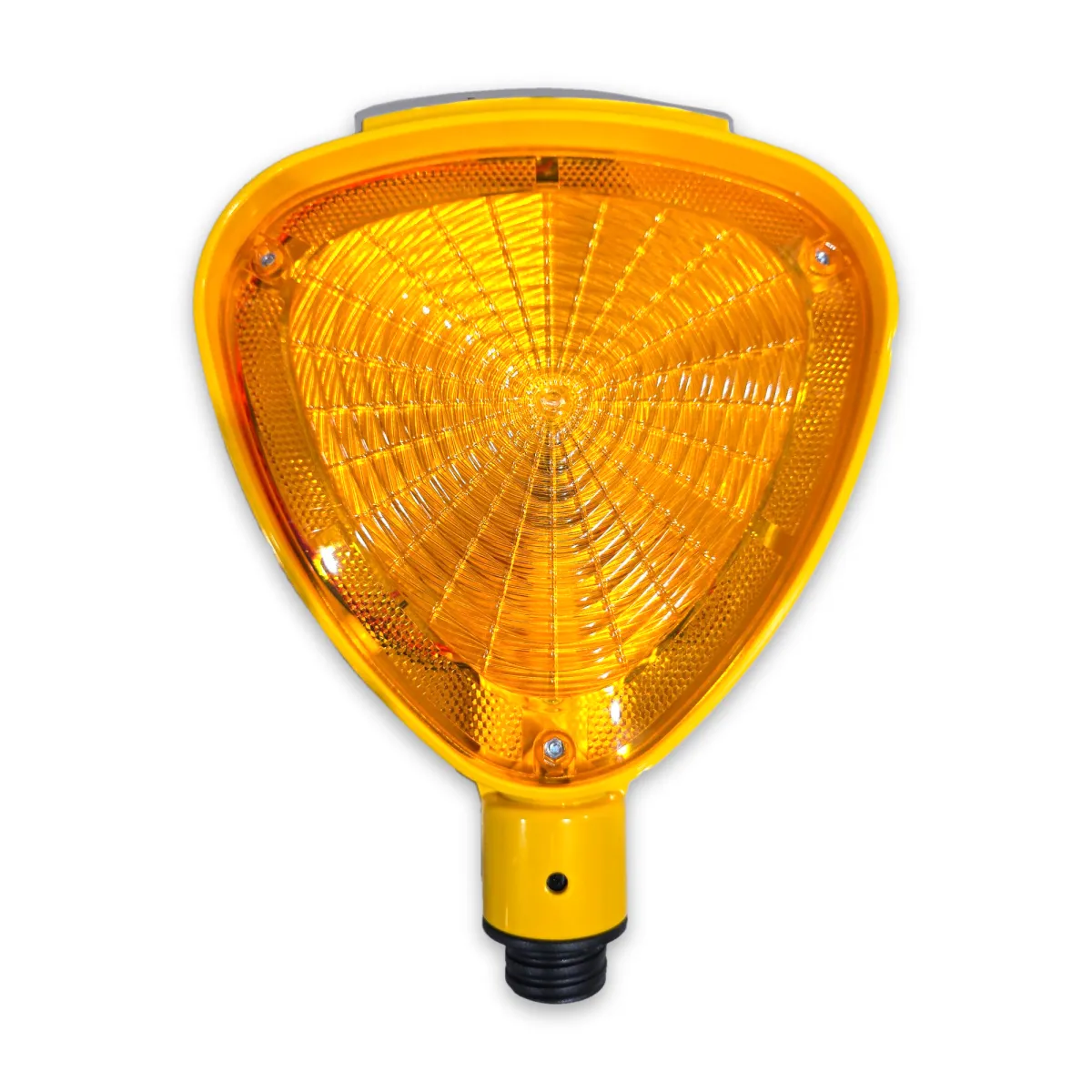
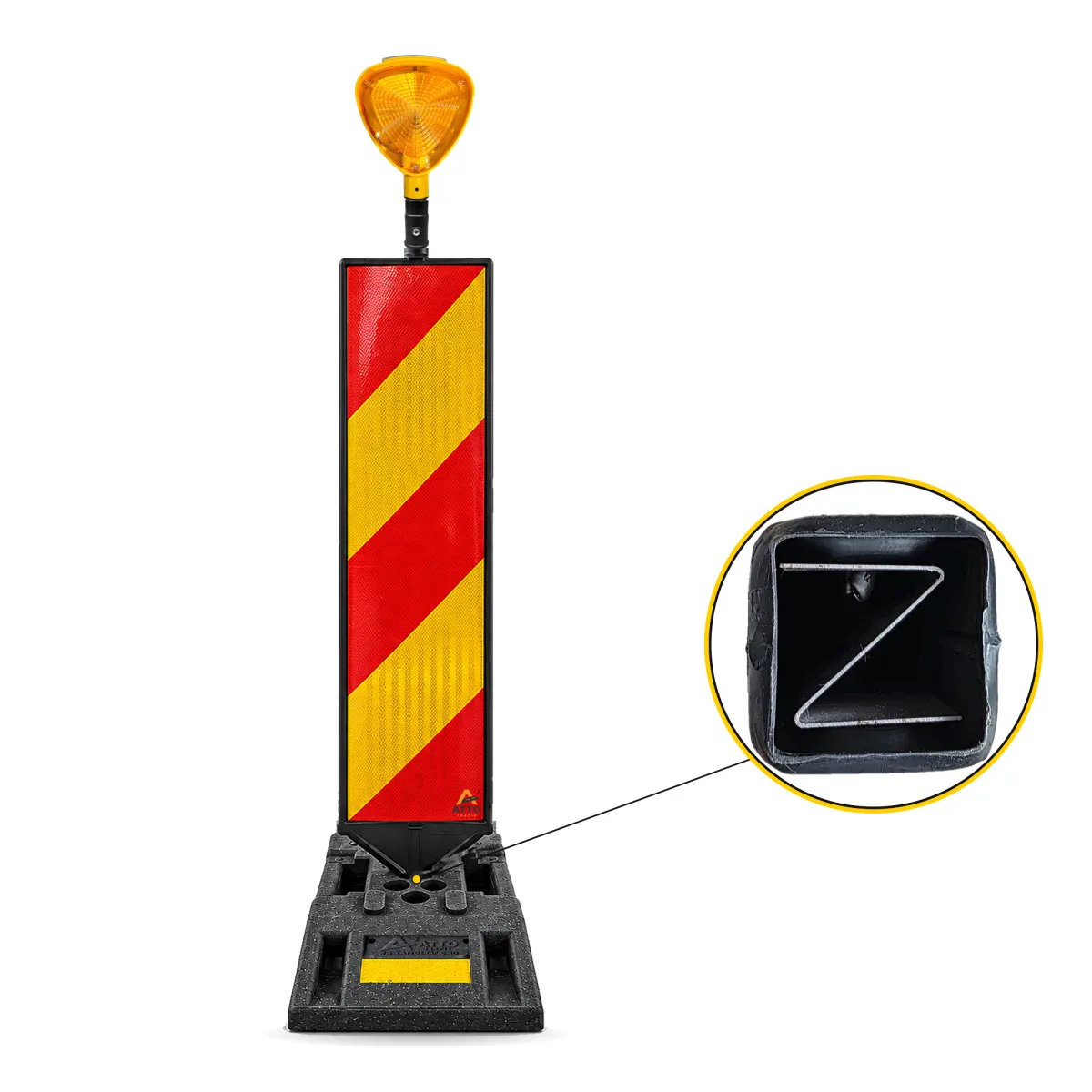
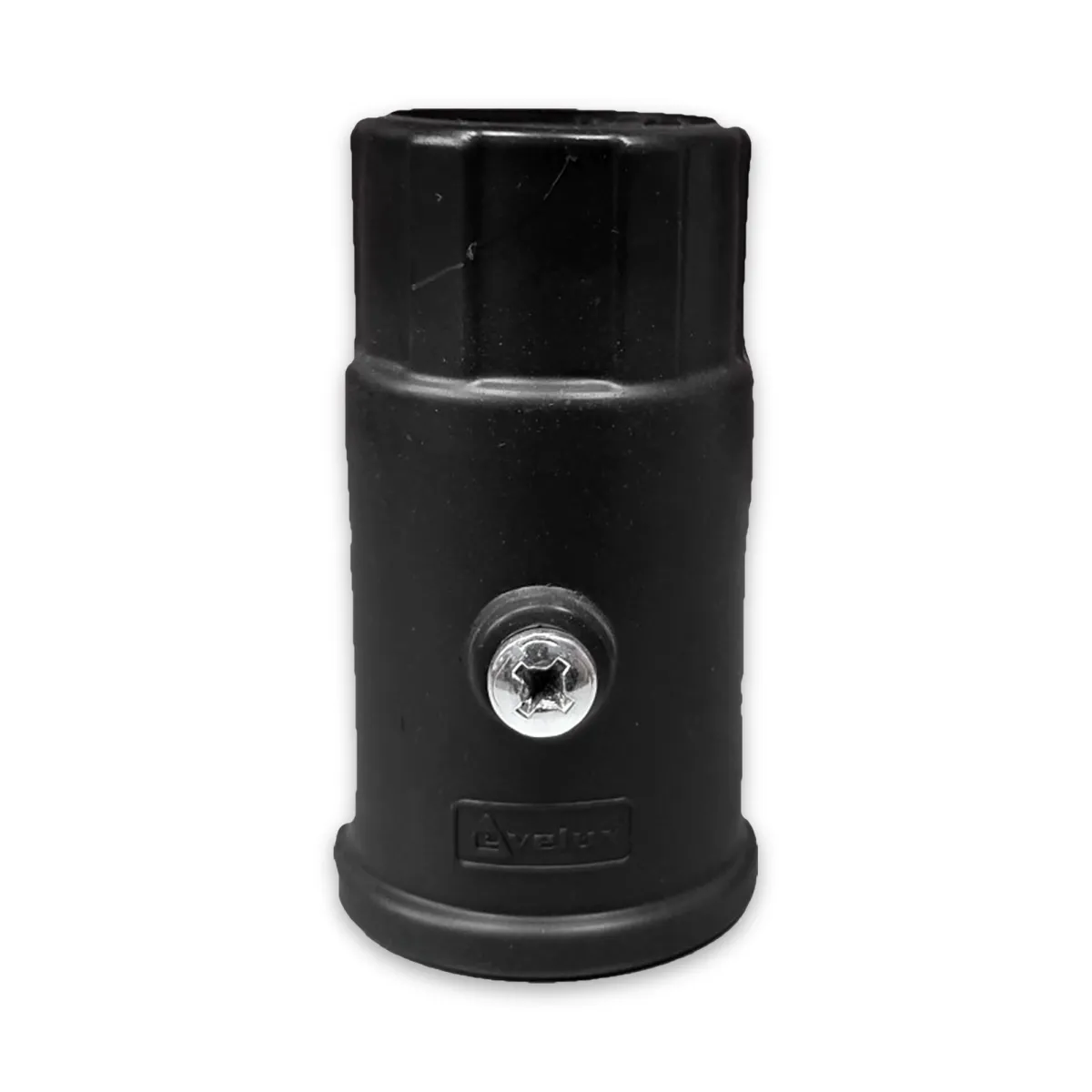
Solar flashing lamps, yellow or red, with a 1 W panel and a 1500 mAh Li-ion battery. They fit on beacons, cones and portable posts with the threaded adapter.
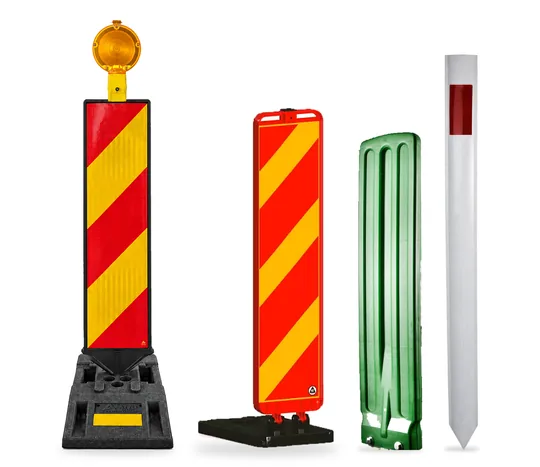
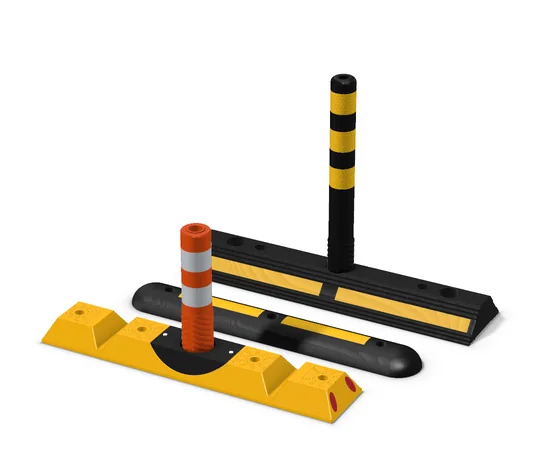
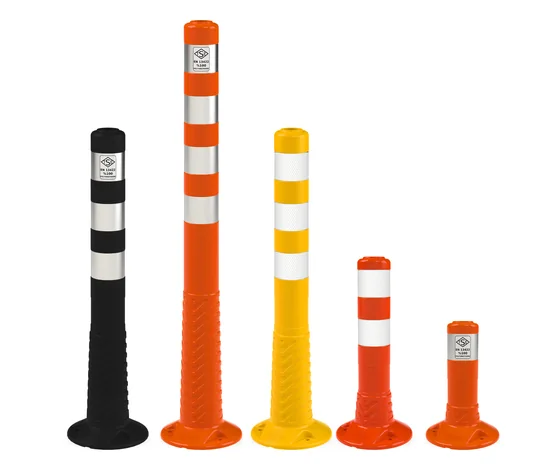
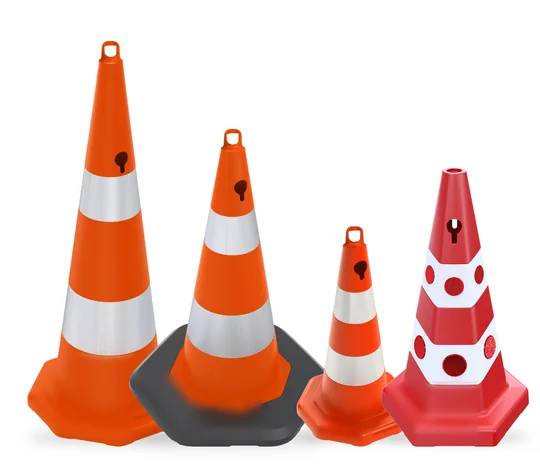
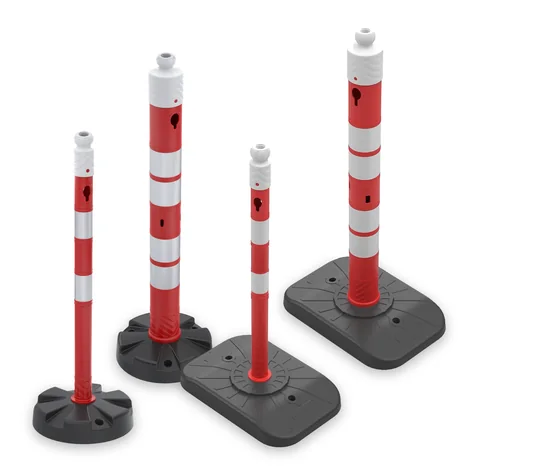
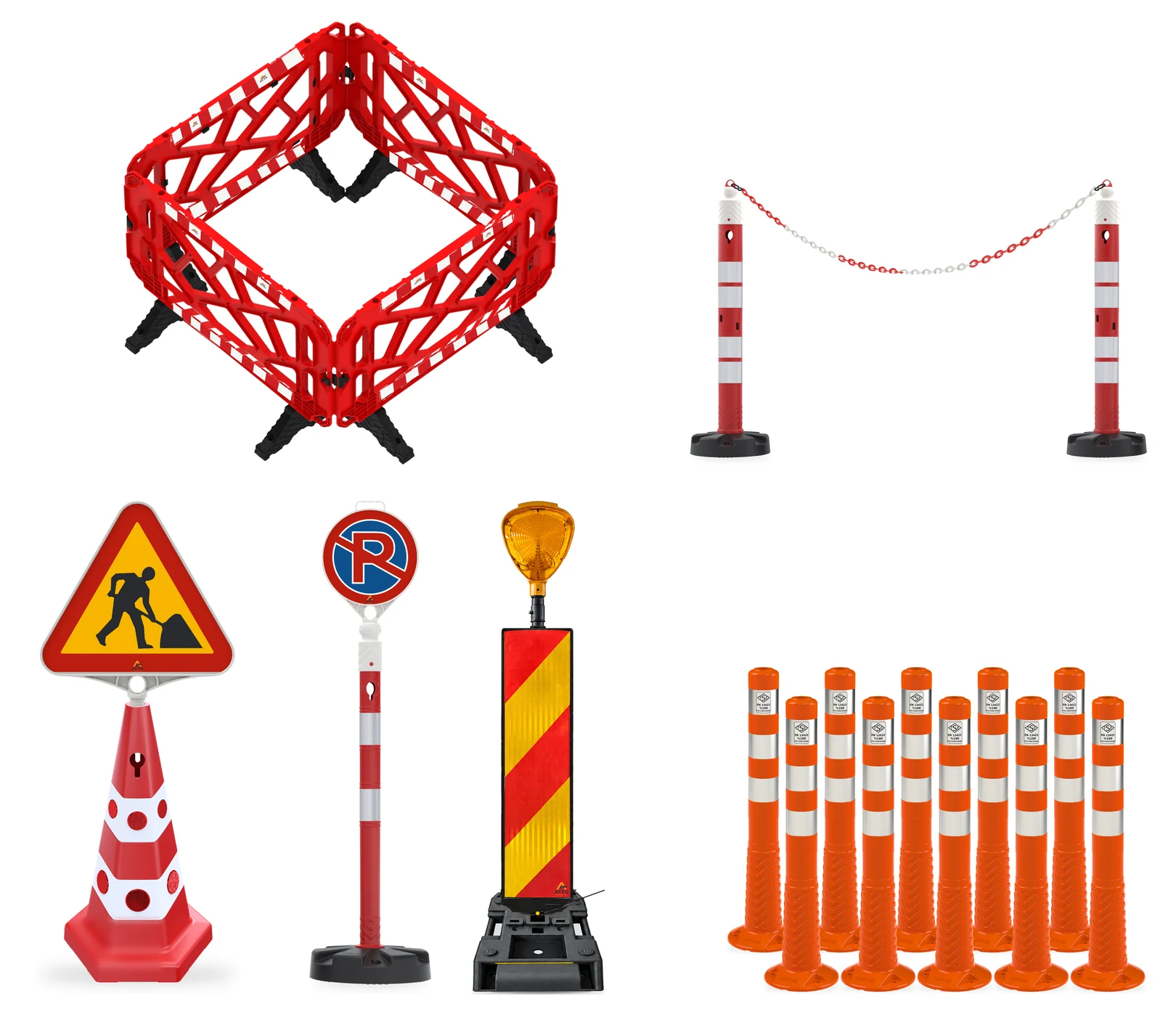
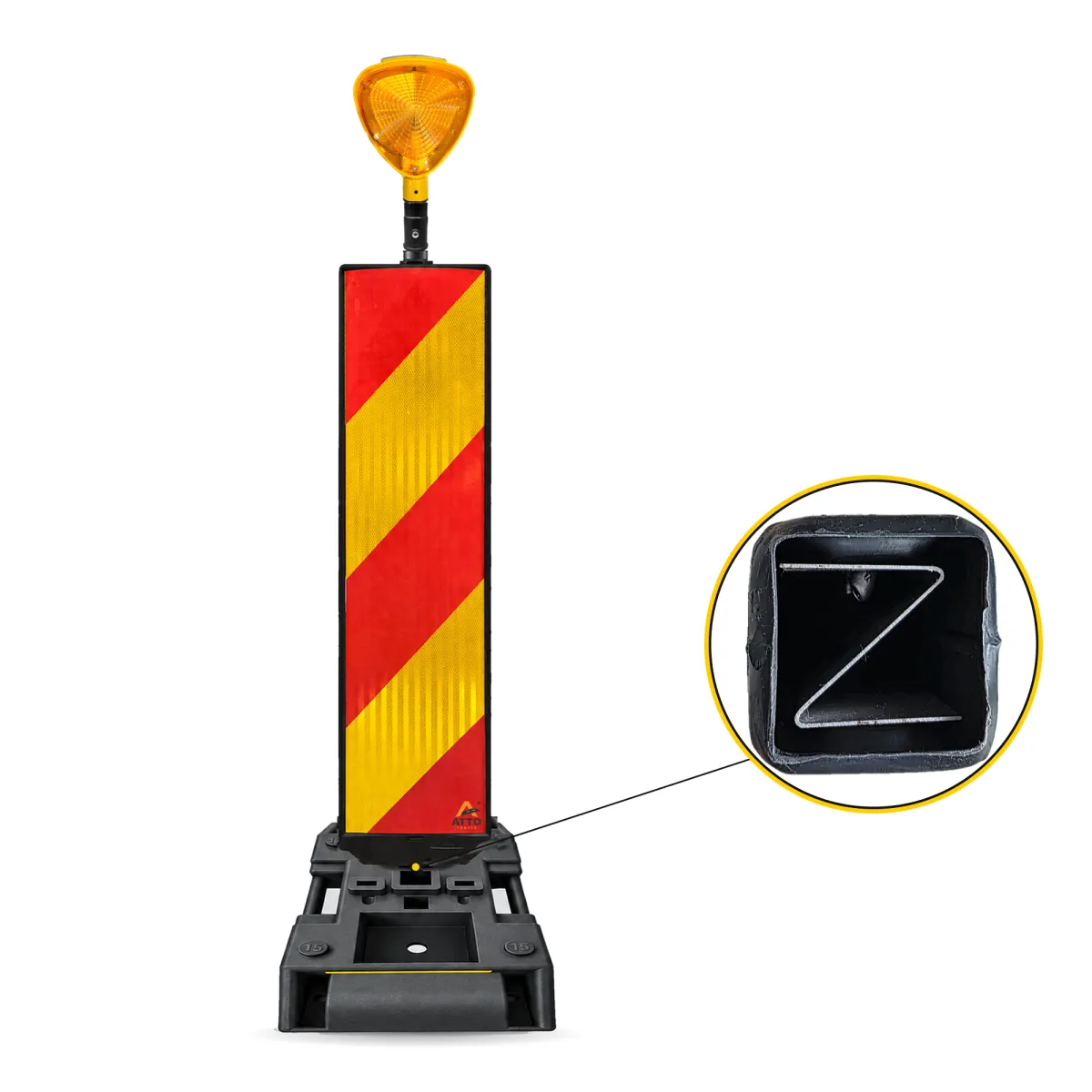
Beacon sets with a solar lamp, on a 15 kg or 28 kg base, ready to place at the edge of a work zone.
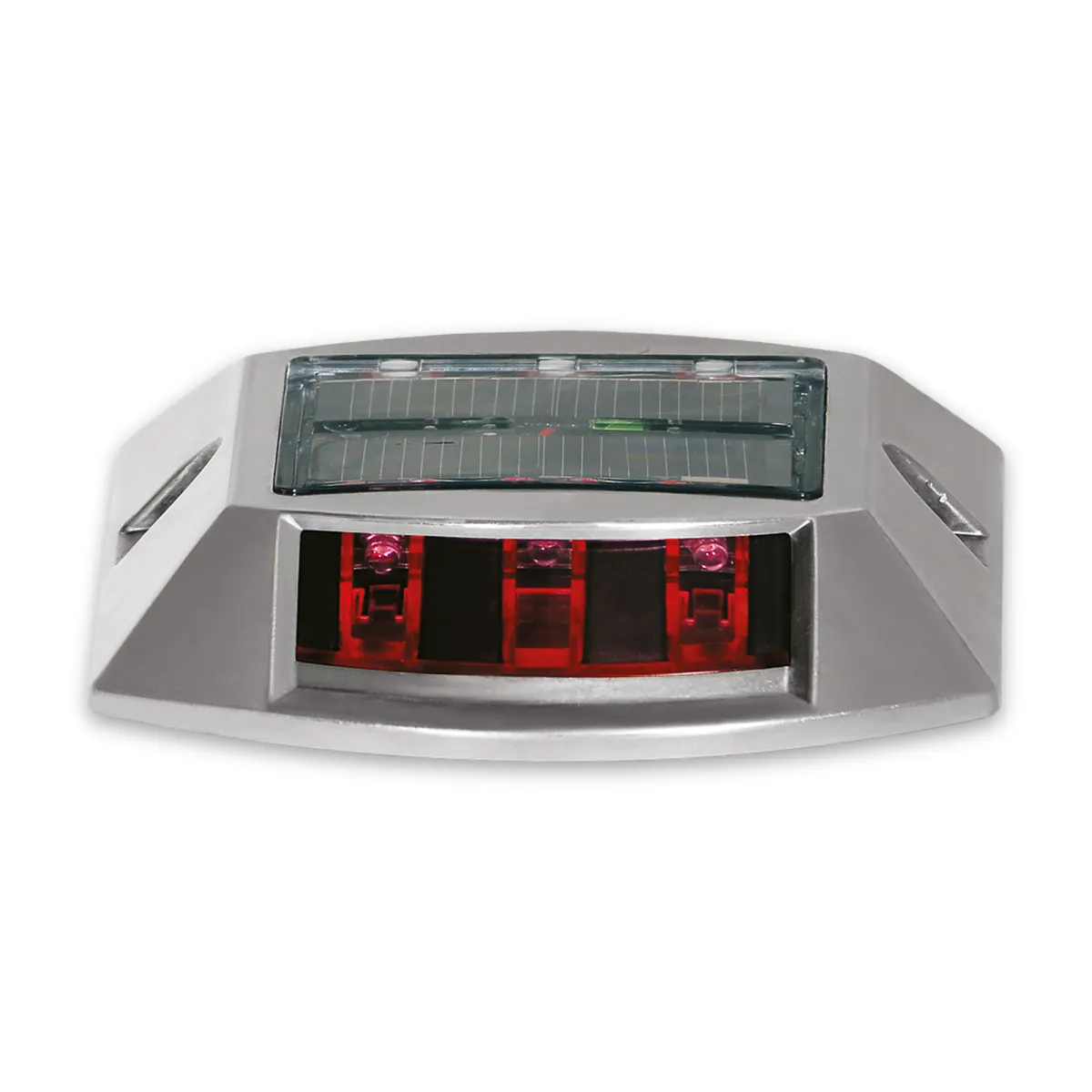
Solar road studs in aluminium, with 6 red LEDs, fixed into the road surface to mark edges and islands.
The comparison between battery and solar lamps is in the guide to warning lamps, and road studs are covered in detail in the guide to road studs.
Solar lamps and beacons

Frequently asked questions
Does a solar sign work in winter?
Yes. The panel also charges under cloud, just less. In winter it matters more that the panel faces south, has no shade and is kept clear of snow.
Does it need a mains connection?
No. The 10 W solar panel charges the 12 V / 7 Ah battery fitted to the sign, so it needs no cable or electricity grid.
What size are the solar signs?
The models in our range are 60x60 cm and 4 cm thick, with a face of painted 1 mm steel sheet.
Does a solar sign replace a standard sign?
Not as a rule. A solar sign has the same symbol and the same role, it is just more visible. Use it where the extra visibility reduces the risk of an accident.
Can I install a solar sign on a public road?
Yes, provided its position follows the signage plan approved by the road administrator, as with any road sign.
How we can help
The shop carries the full range of solar road signs, plus warning lamps, road studs and posts for mounting. Public institutions can order through SEAP / SICAP. If you need another sign in a solar version or several units, write to us and you will get a quote.