
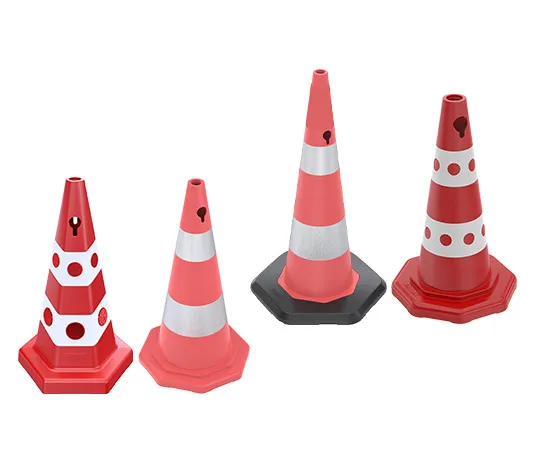
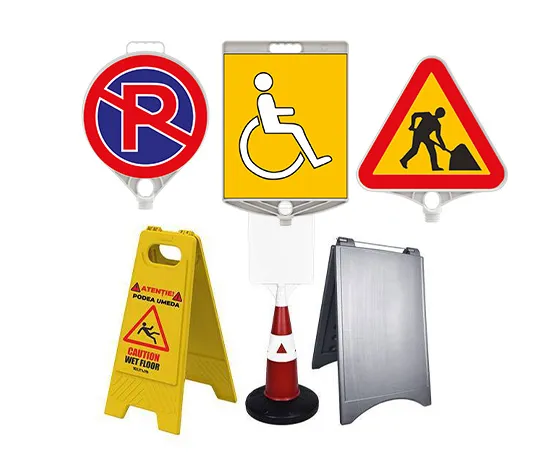
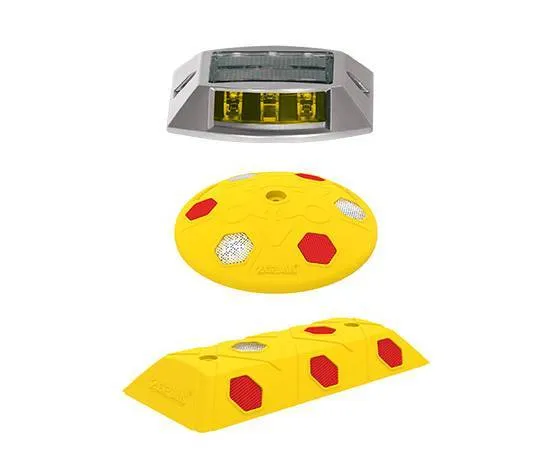

Beacons are the first thing a driver sees when the road ahead is no longer the usual one: a closed lane, a pothole, a diversion or a road edge that cannot be seen at night. A well-chosen beacon stays upright in the wind, shows up in the headlights and tells the driver, without a single word, where to go. This guide explains the types of beacons, how to choose between them and how to use them at a work site.
What a directional beacon is
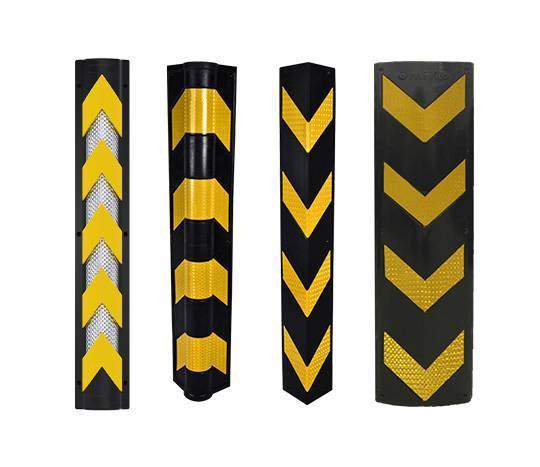
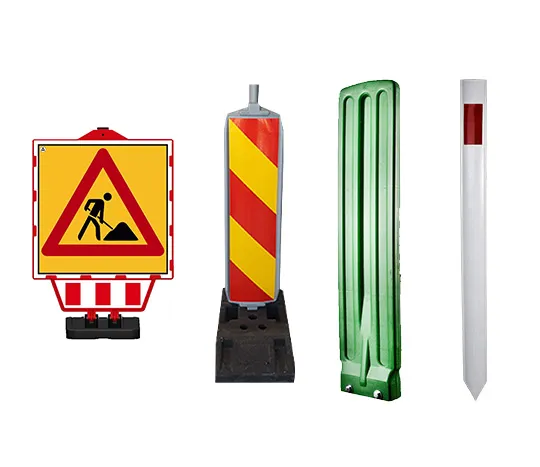
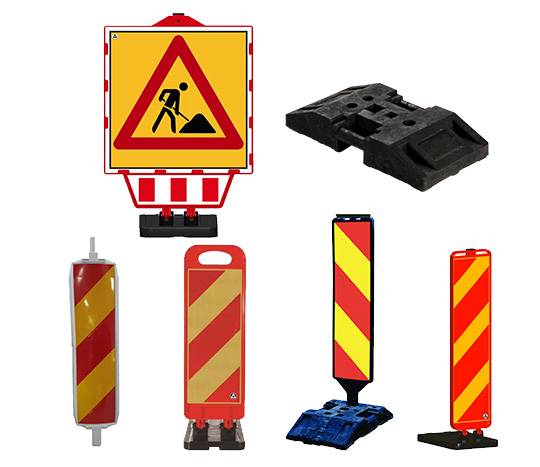
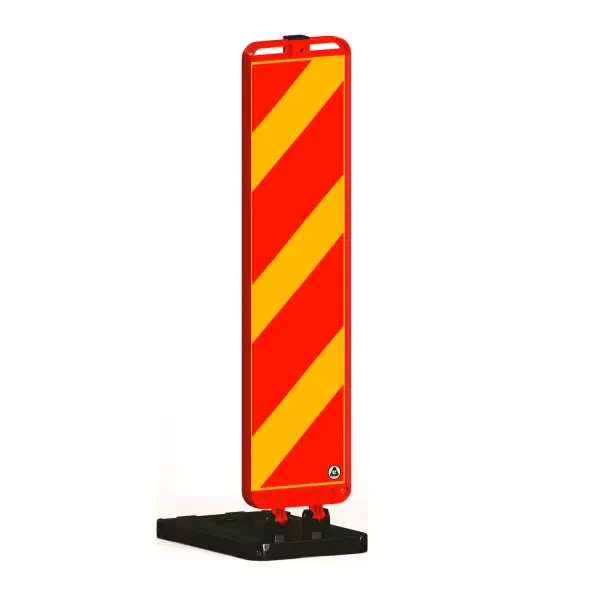
A directional beacon is a narrow panel with diagonal yellow and red stripes. The slope of the stripes shows the side on which the obstacle is passed: drivers follow the stripes like an arrow. Set in a row, beacons draw a new route for vehicles, for example out of a closed lane or around an excavation.
Someone searching for a “left beacon” or a “right beacon” is really after the same thing: our left/right beacons have the reflector on both faces and serve both directions. That is why they are also called two-way beacons. For the actual keep-left or keep-right signs, with a white arrow on blue, there are separate 60 x 60 cm panels, described below.
The types of beacons and when to use each
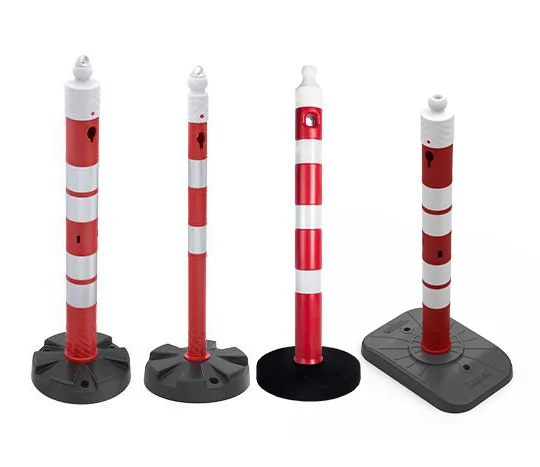
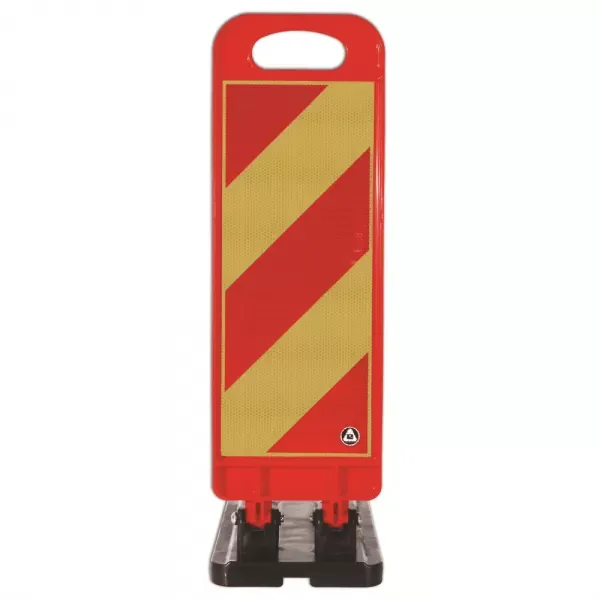
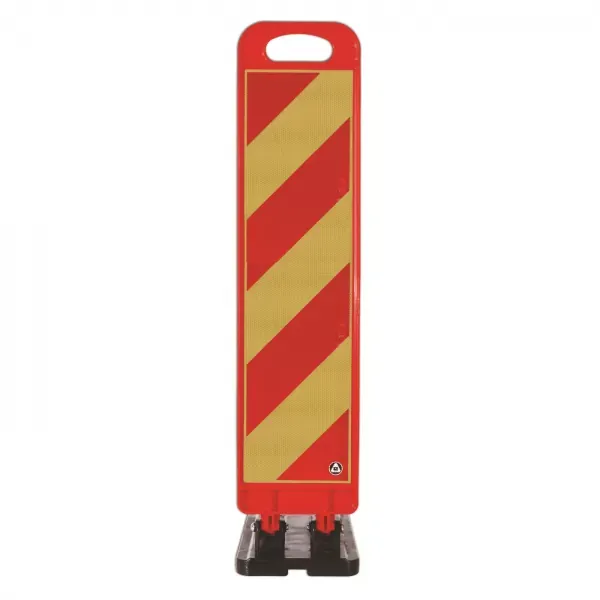
Flexible beacons on their own base
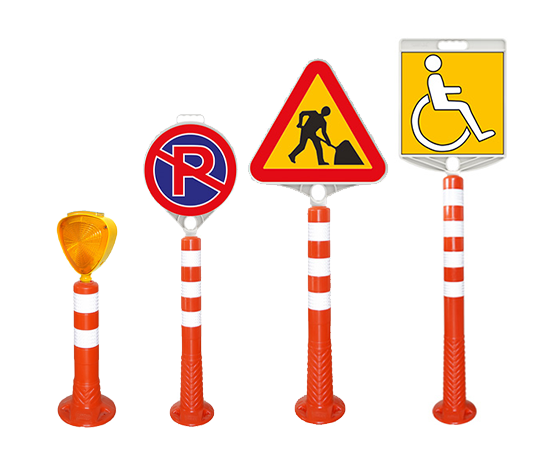
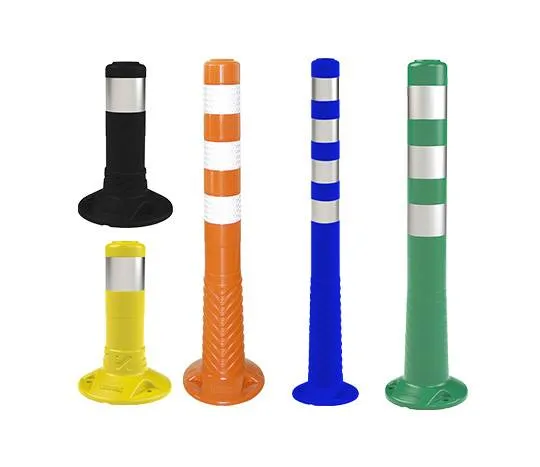
These are the beacons you move several times a day. Each stands on its own plastic base, has a handle and goes straight on the road surface, with no holes in the asphalt. They differ in reflector size, with EG Class I sheeting on both faces:
- ATE 12416: 20 x 48 cm reflector, 70 cm tall, 7 kg; for short jobs in town, a pothole marked until the repair crew arrives or a route through a car park;
- ATE 12415: 20 x 80 cm reflector, 104 cm tall, 12 kg; for lane closures and diversions in town;
- ATE 12410: 25 x 100 cm reflector, 120 cm tall, 12.5 kg; for roads outside town, where drivers come faster and need to see the beacon from further away.
Alongside them are the folding 60 x 60 cm panels, also on their own base: ATE 12417/A with “Caution”, ATE 12417/D for keep right and ATE 12417/S for keep left. Each weighs 12 kg and folds to 60 x 90 x 10 cm, so several fit in the crew’s vehicle. All have a threaded socket on top for a warning lamp or a small plastic sign. You will find them under flexible directional beacons.
Beacons with a heavy 15 or 28 kg base
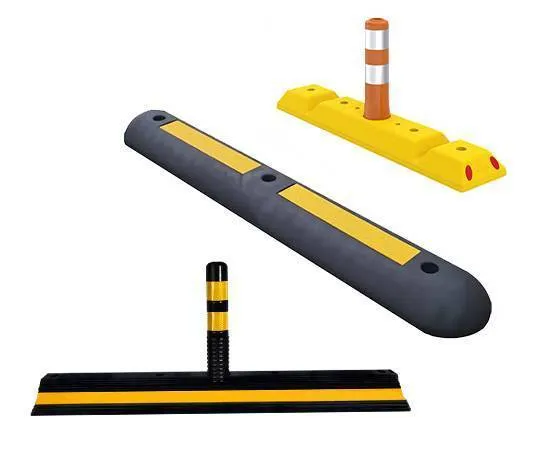
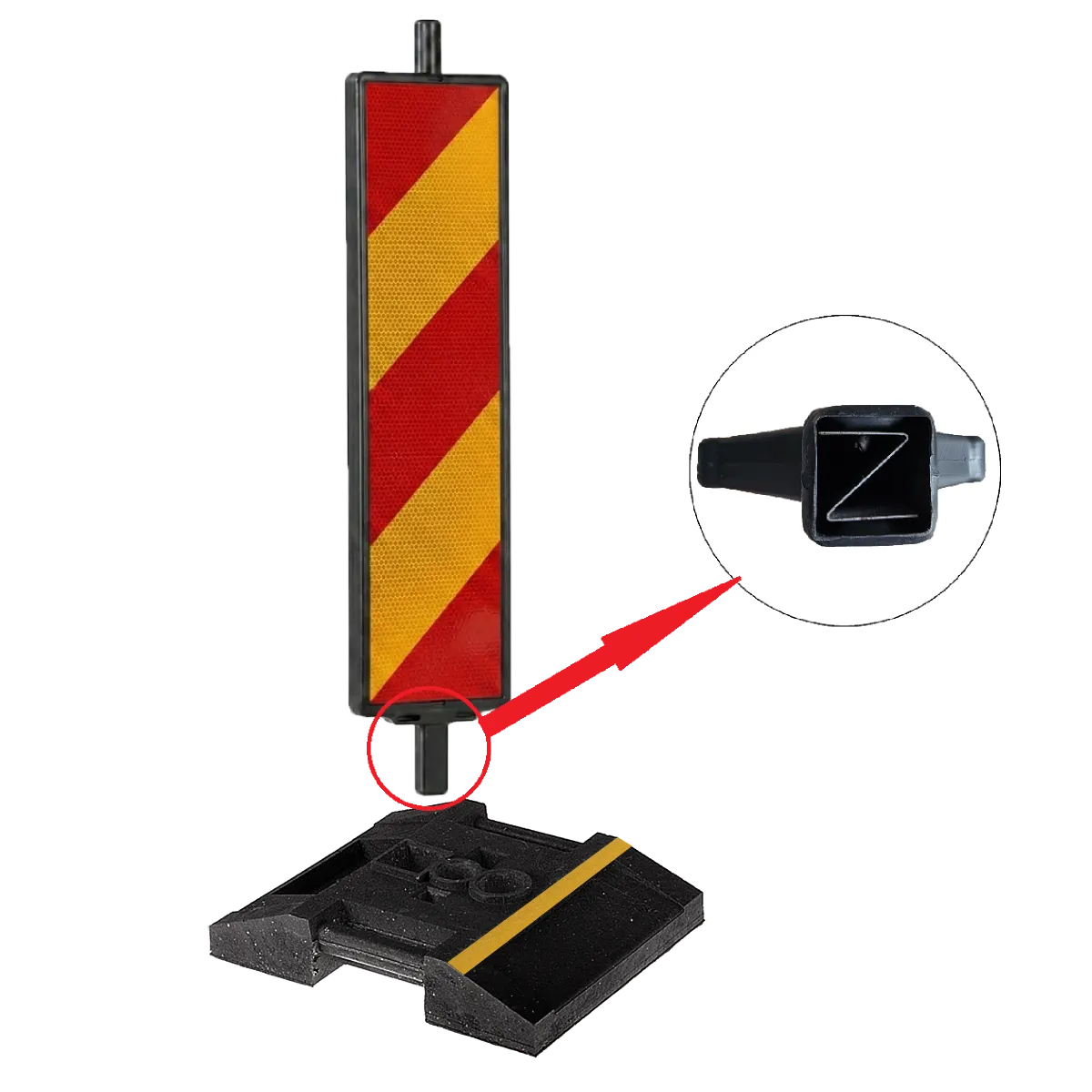
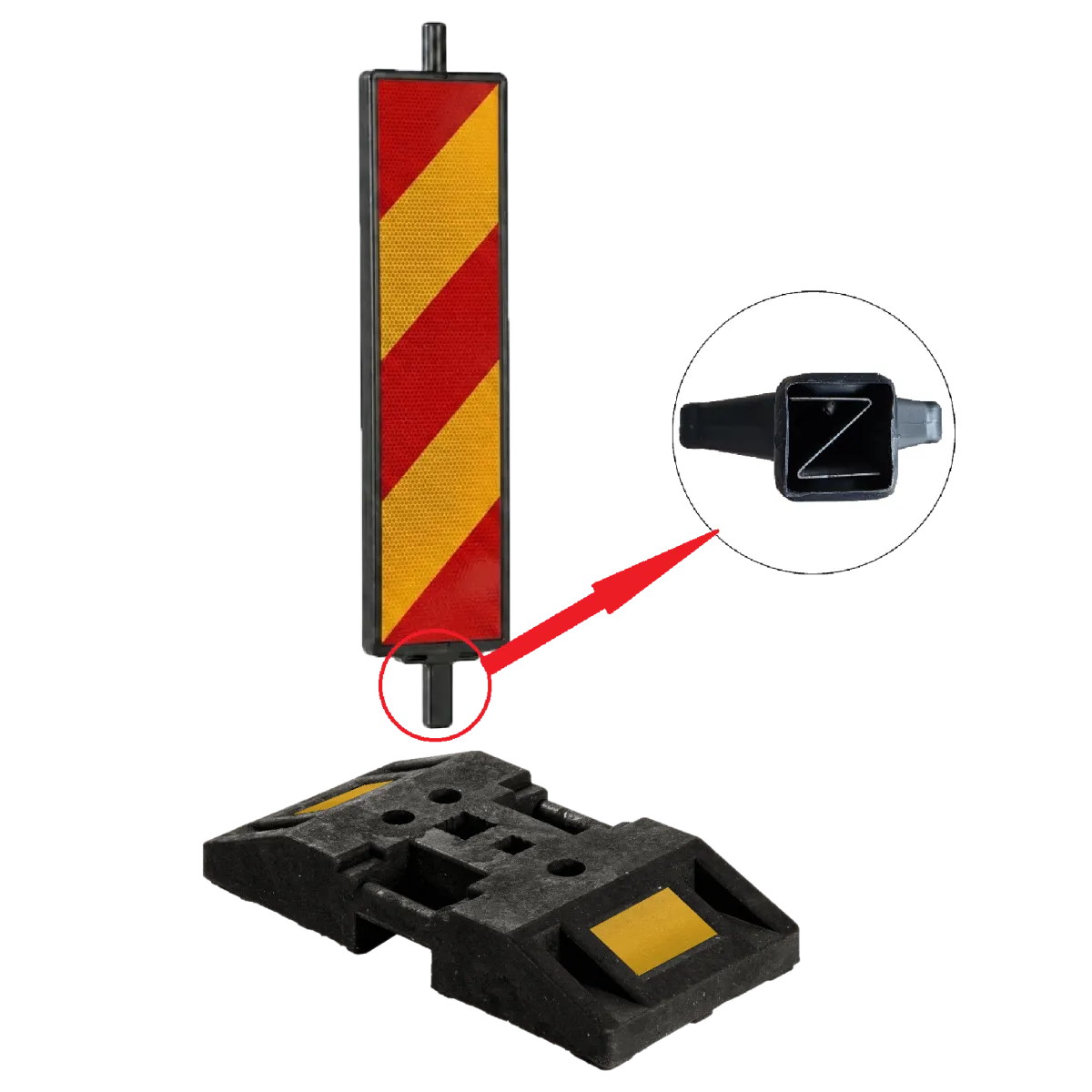
Here the 25 x 100 cm ABS panel, with a Z-shaped metal insert in its leg, goes into a heavy PVC base with yellow reflective strips. The base sits on the asphalt with no holes. You choose by where the beacon will stand:
- the 15 kg base is for streets and roads where wind is not a problem; one person moves it along with the works: V7-15 (Class I sheeting) or V7-15_II (Class II sheeting);
- the 28 kg base is for open national and county roads, where lorries passing close push a wave of air that knocks light beacons over; it is easier to move with two people: V7-28 (Class I) or V7-28_II (Class II).
Panels and bases are also sold separately. If panels have broken, you buy just the panel, V3-V4 or V3-V4_II, which fits the 60 x 60 mm socket of the V2-15 and V2-28 bases. The bases also have other square and round holes for the posts of mobile signs, so one base serves several purposes. All are under weighted directional beacons.
Beacons with a lamp, for night work
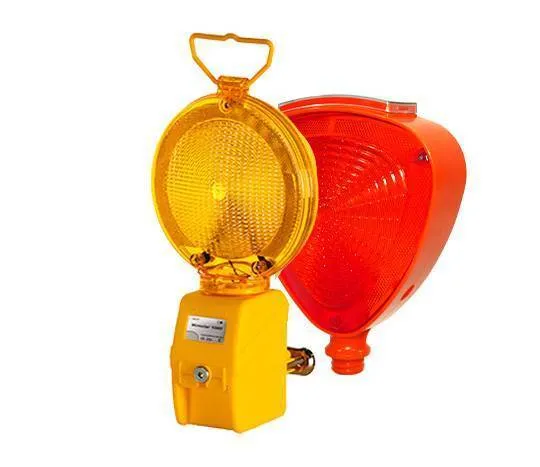
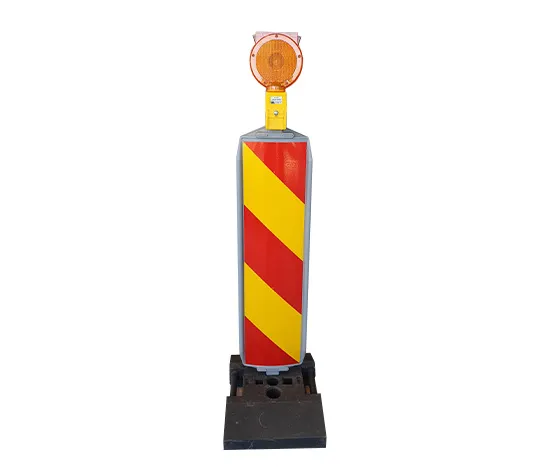
Reflective sheeting only shows when headlights reach it. A flashing yellow lamp can be seen from where headlights do not reach, so for works left overnight a beacon with a lamp is worth it. There are two kinds of power:
- battery: V7b-15 (15 kg base, 18 kg in total) and V7b-28 (28 kg base, 31 kg in total), both 125 cm tall with the lamp; the lamp runs on one 6V 4R25 battery, the usual type for site lamps, which you change on the spot;
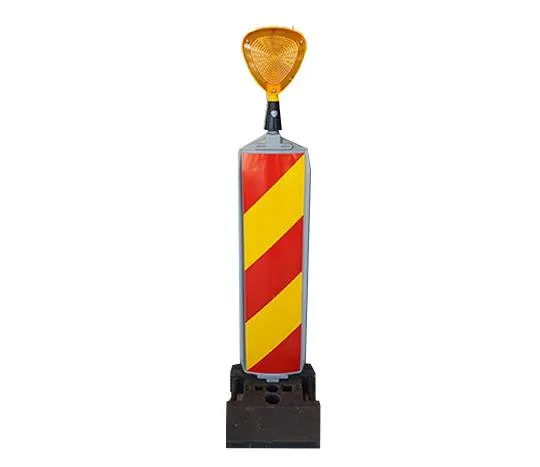
- solar: ATS 15K-404 (18 kg) and ATS 28K-404 (31 kg), both 145 cm tall with the lamp; a 1 W solar panel charges a 3.7 V, 1500 mAh Li-Ion battery during the day, and at night the lamp flashes on the stored energy.
The solar lamp saves the crew from changing batteries on a job that lasts weeks, on one condition: the panel needs light. Do not leave the beacon all day in the shadow of a machine or a building.
Anti-glare beacons
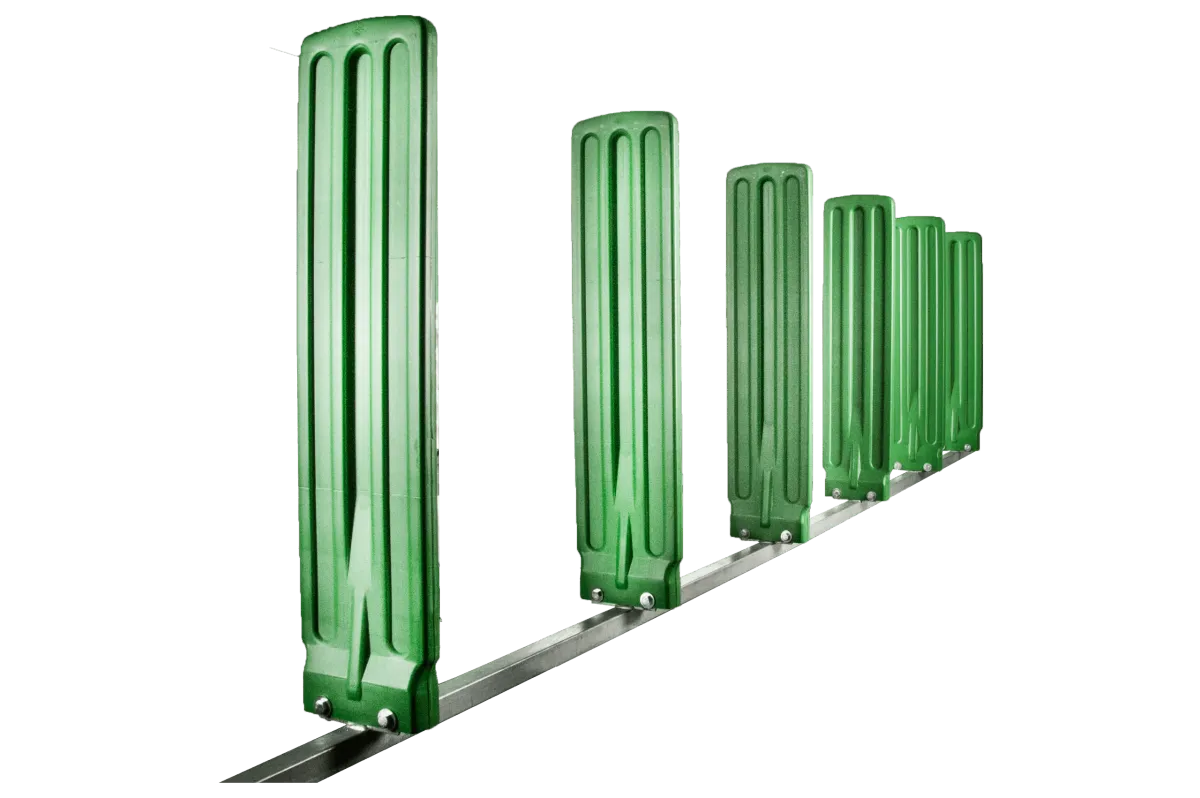
Anti-glare beacons are not for road works. They are fitted in a row on the barrier between the carriageways of motorways, expressways and four-lane roads, and they stop the headlights of oncoming vehicles before they reach the driver’s eyes. Each blade is 90 cm tall, 22 cm wide and 2.7 kg, made of green ribbed HDPE. The ATD A901 comes with the fixing system for a metal barrier, while the ATD A900 is the blade alone, for barriers that already have the brackets or are of another type.
Guidance posts
On a road without edge markings, at night or in fog, it is hard to see where the asphalt ends. The ATO 6301 is a white fibreglass blade, 130 cm long and only 0.8 kg, with two Class I reflective strips at the top. It goes on the verge, one every 50 m, and draws the road edge in the headlights. Anti-glare beacons and guidance posts are under anti-glare beacons and guidance posts.
How to choose: three questions
Where will the beacon stand?
In town, on streets and in car parks, a flexible beacon or one with a 15 kg base stays upright and is easy to move. On open roads, with crosswinds and lorries, choose the 28 kg base. If you find beacons lying on the road in the morning, that is the sign you need the heavier base.
How fast do vehicles come?
The faster they come, the further away the driver must see the beacon. The 25 x 100 cm reflector works better than the 20 x 48 cm one on a road outside town, and the sheeting matters too, as you will see below.
Will the works stay overnight?
If so, put beacons with lamps at least at both ends. For a few nights a battery lamp is enough; for a job lasting weeks, the solar lamp spares you the battery changes.
Class I or Class II sheeting
The sheeting class tells you how much of the headlight beam is returned to the driver. Class II sheeting, HIP type, reflects more than Class I, so the beacon emerges from the dark sooner and the driver has more time to slow down and change lane. For daytime works in town, Class I is enough. On unlit roads, at town exits, on bypasses and for works left marked overnight, Class II is worth it. The difference between the two classes is explained in detail in our guide to Class I and Class II sheeting.
How to set them out at a work site
- Before the works, put the warning: the “Caution” panel, ATE 12417/A, or the temporary signs required by the traffic plan.
- Then the right keep-left or keep-right sign: ATE 12417/D if traffic passes on the right, ATE 12417/S if it passes on the left.
- After them, the directional beacons, in a row, at equal distances, with the stripes sloping towards the side where vehicles pass. The row shows clearly where the free lane ends.
- If the works stay overnight, put beacons with lamps at the start and the end of the zone.
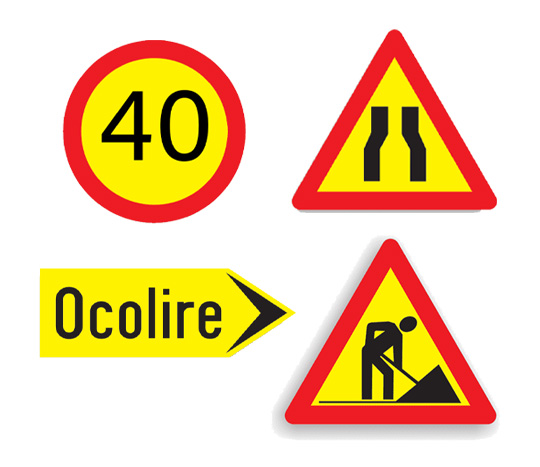
Beacons add to the signs; they do not replace them. Which temporary signs a work site needs, and in what order, is covered in our guide to signing road works with U signs.
Transport and storage
Flexible beacons have a handle and are carried with one hand; the 60 x 60 cm panels fold and stack flat in the vehicle. On the heavy-base beacons the panel lifts out of the base, so the two parts are carried separately. The 28 kg bases and the 31 kg lamp beacons are easier to load with two people.
Frequently asked questions
What does two-way beacon mean?
It is a beacon with a reflector on both faces that works for passing on the left or on the right. Our left/right beacons, such as the V7-15 and V7-28, are of this kind.
Why do beacons blow over on open roads?
Because of crosswinds and the wave of air from lorries passing close. On such roads, the 28 kg base keeps the beacon upright where the 15 kg one is no longer enough.
Do I need to drill the asphalt for beacons?
No. Both flexible beacons and those with a 15 or 28 kg base sit straight on the road surface. Only anti-glare beacons are screwed on, to the barrier.
Which battery does the beacon lamp use?
The V7b-15 and V7b-28 use one 6V 4R25 zinc-carbon battery. The solar sets need no batteries: a 1 W solar panel charges the Li-Ion battery in the lamp.
Can I put a lamp on a flexible beacon?
Yes. The ATE 12410 flexible beacon and the 60 x 60 cm panels have a threaded socket on top for a warning lamp or a small plastic sign.
How far apart do guidance posts go?
The ATO 6301 guidance post goes on the verge, one every 50 m, to mark the road edge.
How we can help
All 21 products are under directional beacons. If you are planning a work site and are not sure how many beacons and which weight you need, tell us what the road looks like and how long the works will stay, and we will put the list together for you.